





Description
Product Introduction
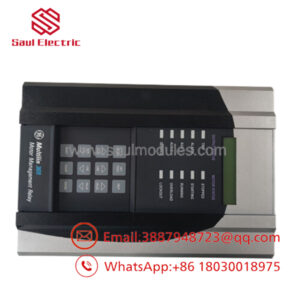
The GE DS215UPLAG1BZZ01A is an upgraded LAN Interface Processor Board (UPLA) engineered specifically for GE Speedtronic Mark V turbine control systems and compatible drive control architectures. Installed within the central processor core structure, this card functions as the primary network gateway, establishing fast, deterministically scheduled data transfers over the DLAN (Distributed Local Area Network) and ARCNET control bus.
Unlike localized I/O cards that directly condition sensor voltages, the UPLA module processes network protocol packets. Powered by an onboard high-speed communications co-processor, it handles real-time data exchange, sequence-of-events (SOE) timestamping, and alarm streaming between the control cores (<R>, <S>, <T>), Stage One processors, and operator interface workstations (HMI / ) without burdening main turbine execution loops.
Key Technical Specifications
| Parameter | Specification / Value |
| Manufacturer | General Electric (GE) |
| System Architecture | Speedtronic Mark V & Innovation Series Drives |
| Board Functional Acronym | UPLA (LAN Interface Processor Board) |
| Network Protocol | ARCNET / DLAN (Distributed Local Area Network) |
| Communication Bus Interface | High-speed coaxial BNC connectors / Twinax wiring terminals |
| Backplane Interface | Multi-pin 3PL edge connector to Mark V bus |
| Hardware Configuration | Onboard BERG jumpers for node ID address & network termination |
| Diagnostic Indication | Edge-mounted LEDs (Network Active, Transmit/Receive, Board Fault) |
| Firmware Architecture | Socketed EPROM/PROM modules carrying network stack firmware |
| Board Generation / Prefix | DS215 series (Upgraded layout with enhanced ESD immunity over DS200) |
Application Scenarios & The “Trench” Experience
The Trench Story
It’s 2:15 AM on a sub-zero winter night. A 1×1 combined-cycle plant experiences a total loss of communications between the operator HMI and the Mark V panel on Gas Turbine #1. The turbine continues running on its local core execution, but operators are effectively flying blind—no alarm updates, no live MW tracking, and zero remote control capability. Diagnostics point to a dead network transceiver chip on the legacy UPLA board caused by a power surge on the coaxial trunk line. With the plant unable to ramp output to match grid dispatch orders, swapping in a pre-tested DS215UPLAG1BZZ01A restores the ARCNET handshake instantly, bringing live telemetries back to the HMI screens in under 15 minutes.
Industrial Applications
- HMI to Control Core Linkage: Managing real-time data streaming between the Mark V turbine panel and primary / HMI operator stations.
- Multi-Core Synchronization: Coordinating deterministic network packet sharing across triple-modular redundant (
<R>,<S>,<T>) control racks. - Distributed Control System (DCS) Gateway: Routing turbine telemetry over DLAN to plant-wide DCS monitoring networks.
- Innovation Series Drive Networking: Handling internal control bus communications within heavy industrial GE drive cabinets.
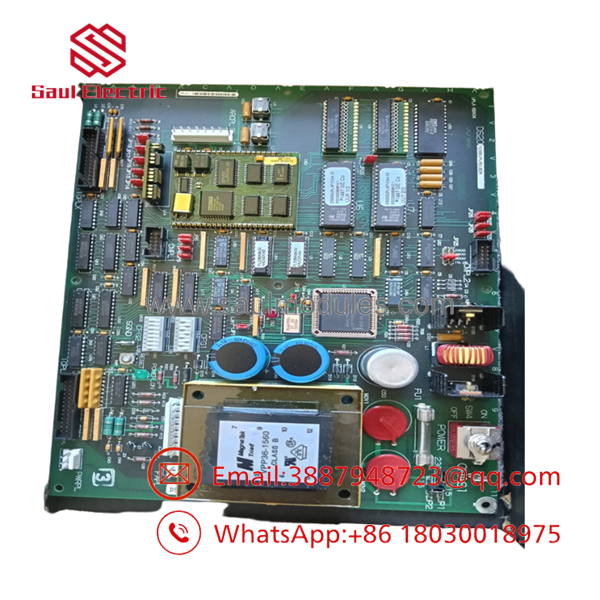
DS215UPLAG1BZZ01A
Transparency SOP: Quality Assurance & Testing
We don’t just pull legacy boards out of a warehouse box and throw them into a crate; we validate them on live GE Mark V rack setups.
- Inbound Physical Inspection: Complete visual audit under magnification. Inspection for trace corrosion, bulging electrolytic capacitors, damaged BNC/Twinax connectors, and verification of genuine OEM solder profiles.
- Anti-Static ESD Cleaning: Ultrasonic aqueous bath to remove industrial carbon dust and airborne oil film, followed by thermal drying.
- Transceiver & Network Port Resistance Checks: Bench testing impedance across ARCNET physical transceiver ports and onboard isolation transformers.
- Live Mark V Network Loop Testing: Board installation into a live Speedtronic Mark V test rig (
<C>or control core). Verification of LED self-test, boot cycle, and 3PL backplane handshaking. - Packet Stress & Communication Test: Running continuous high-density ARCNET data ping tests across connected HMIs to verify zero packet drop and stable data throughput under load.
- Firmware Version Logging & Anti-Static Packaging: Documenting all socketed EPROM revision tags before vacuum-sealing the board in anti-static ESD shielding.
The Veteran’s Tech Trap Guide (Crucial Value-Add)
⚠️ 1. Node ID Jumper Configuration (The Address Trap)
The DS215UPLAG1BZZ01A uses physical onboard BERG jumpers to define its unique ARCNET Node ID address on the local network trunk. If you drop a replacement board in with default or mismatched jumper settings, you will create a duplicate node conflict on the bus. This will immediately drop communications across all connected Mark V panels on that network segment.
Fix: Take a clear, high-resolution photo of the jumper blocks on your failed card before removal. Replicate every jumper position exactly on the new DS215 card prior to insertion.
❗ 2. Socketed Firmware PROM Transfer
The socketed EPROMs on the UPLA board contain specific network stack revisions and system ID mappings. If the firmware revision on the replacement card doesn’t match what the Stage One processor expects, the core will refuse to initialize the communications bus.
Fix: Use an IC chip extractor tool to carefully transfer the original socketed PROMs from your old board to the replacement board. Always align the chip notch with the socket notch to avoid frying the chip upon power-up.
⚠️ 3. End-of-Line Network Termination Jumpers
If the UPLA card sits at the physical end of an ARCNET coaxial trunk cable, its onboard termination resistor jumper must be enabled (75-ohm / 93-ohm match depending on cable type). Leaving the termination off—or enabling it on a mid-trunk board—causes signal reflections that degrade network packet delivery across the plant.
Fix: Check whether the old card had the line termination jumper engaged, and configure the new board identically.
Frequently Asked Questions (FAQ)
Q: What is the main difference between a DS200UPLA and a DS215UPLA card?
A: The DS200 represents the original Mark V board design generation. The DS215UPLAG1BZZ01A is a direct factory upgrade featuring updated surface-mount components, improved electrical noise/ESD immunity, and revised trace routing while maintaining 100% functional backward compatibility with existing Mark V backplanes.
Q: Can I hot-swap the DS215UPLAG1BZZ01A while the Mark V panel is powered on?
A: No. Pulling a UPLA card live disrupts the backplane data bus and breaks ARCNET communication loops. This can cause communication timeout faults across the control cores and potentially trip the unit depending on core configuration. Always de-energize the core power supply before replacing the module.
Q: What does the trailing suffix ‘ZZ01A’ indicate?
A: In GE part numbering, DS215 denotes the board generation, G1 indicates the hardware group, B represents the circuit revision, and ZZ01A specifies a custom or late-cycle factory component software/hardware integration package applied by GE to optimize performance for specific control rack setups.
Q: Why are my network communication LEDs dark even though the core has power?
A: Dark network LEDs usually point to an improperly seated 3PL backplane edge connector, incorrect Node ID jumper settings, or an unseated socketed EPROM chip. Ensure the card is pushed firmly into the rack guide rails until the edge connector seats fully.
Q: What warranty is supplied with your surplus and refurbished stock?
A: Every DS215UPLAG1BZZ01A module shipped carries a full 12-month replacement warranty. If a board fails under normal operating conditions within one year of installation, we replace it immediately from our stock.

 Start Chat


