





Description
Product Introduction
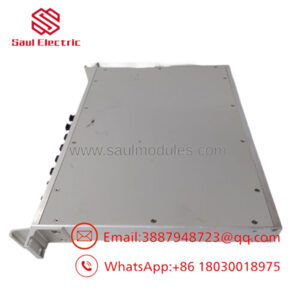
The GE DS3800HFPG1D1D is a dedicated High-Frequency Power Gate Driver Board (HFPG) built for GE Speedtronic Mark IV turbine control enclosures and heavy-duty industrial thyristor drive racks. Serving as a crucial power distribution and firing control interface, this module bridges low-voltage control logic with high-power output stages, such as generator static excitation systems or large DC motor armature drives.
Unlike standard digital processing cards that run strictly on clean +5V logic, the HFPG card steps up control commands into precise, isolated firing pulses using pulse transformers and power transistor drivers. It delivers step-up gate current to SCRs and thyristor bridges while conditioning local DC power rails to protect surrounding backplane logic from inductive noise spikes.
Key Technical Specifications
| Parameter | Specification / Value |
| Manufacturer | General Electric (GE) |
| System Architecture | Speedtronic Mark IV Control & System Drive Enclosures |
| Board Functional Acronym | HFPG (High-Frequency Power Gate Driver Board) |
| Primary Power Inputs | +24VDC, +/-15VDC, and auxiliary AC power feeds |
| Output Capabilities | Isolated high-current firing gate pulses for SCRs / Thyristors |
| Isolation Architecture | Onboard pulse transformers & optocouplers for high-voltage isolation |
| Backplane Connection | Dual multi-pin edge card connectors for Mark IV card cage |
| Hardware Configuration | Physical BERG jumpers for gate pulse width & firing delay timing |
| Diagnostic Indicators | Front-edge status LEDs for power rail presence & pulse activation |
| Board Generation / Prefix | DS3800 Series (Classic modular Mark IV heavy industrial PCB layout) |
Application Scenarios & The “Trench” Experience
The Trench Story
It’s 2:30 AM during a peak power generation window. A combined-cycle plant’s static excitation system fails to flash the generator field during a turbine start, throwing an “Excitation Gate Driver Fault” on the Mark IV panel. Troubleshooting reveals that leaky filter capacitors on the aging HFPG board failed under thermal stress, causing gate drive pulse attenuation and preventing the SCR bridge from conducting. The plant is facing steep non-performance penalties for missing its grid dispatch window. Swapping out the faulty module with a fully tested DS3800HFPG1D1D replacement restores clean, crisp firing pulses to the thyristors, bringing generator field excitation back online on the first attempt.
Industrial Applications
- Generator Static Excitation: Driving high-power thyristor bridge gates for generator field current regulation in utility gas and steam plants.
- Large DC Motor Drive Control: Managing armature current switching and field regulation in heavy industrial rolling mill drives.
- Turbine Starter Motor Drives: Providing gate firing control for variable frequency drives (VFDs) during turbine electric cranking.
- Power Substation Line Regulation: Conditioning high-current switching signals in industrial power distribution panels.
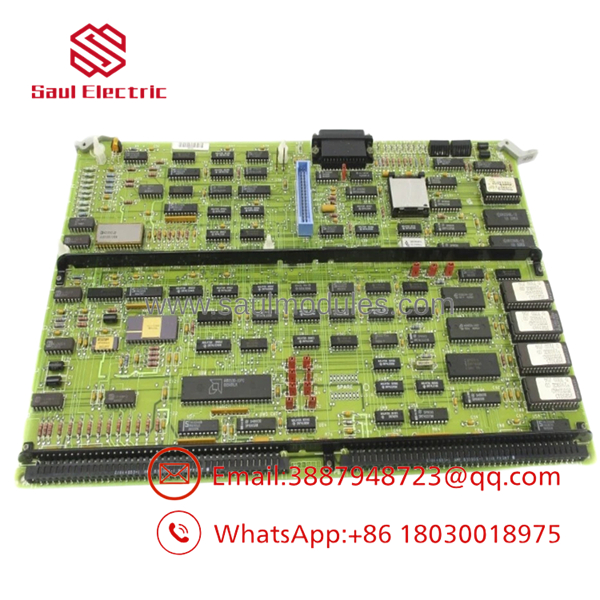
DS3800HFPG1D1D
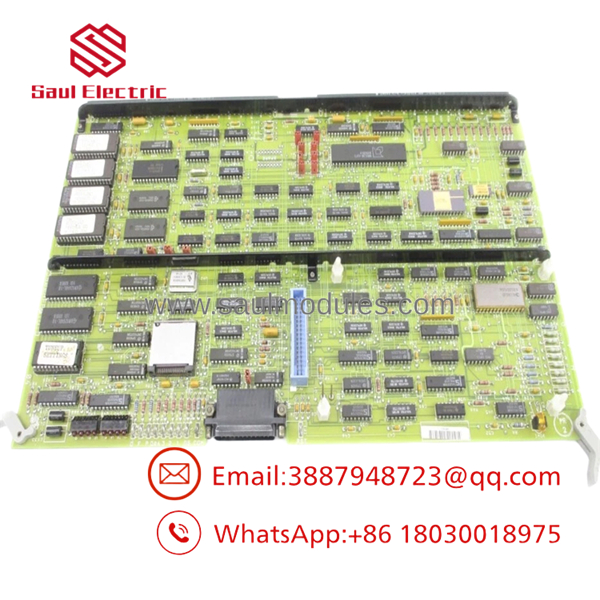
DS3800HFPG1D1D
Transparency SOP: Quality Assurance & Testing
We don’t just pull legacy boards out of a warehouse box and throw them into a crate; we validate them on live GE Mark IV power test rigs.
- Inbound Physical Inspection: Complete visual audit under magnification. Inspection for trace discoloration, burnt pulse transformers, heat-stressed power resistors, and gold-tab edge connector wear.
- Anti-Static ESD Cleaning: Ultrasonic solvent cleaning bath to remove airborne carbon, oil film, and decades of industrial dust accumulation.
- High-Voltage Insulation Testing: Megger testing power paths and pulse transformer isolation barriers to guarantee zero breakdown under line voltages.
- Oscilloscope Gate Pulse Verification: Injecting trigger signals and monitoring pulse shape, rise time, and peak voltage across output gate drive channels using a high-speed oscilloscope.
- Live Rack Burn-In: Installing the board into a live Mark IV drive test rack under full thermal load to verify voltage regulator stability and zero thermal drift over time.
- Jumper Audit & ESD Packaging: Documenting all factory BERG jumper configurations before vacuum-sealing the card in anti-static shielding.
The Veteran’s Tech Trap Guide (Crucial Value-Add)
⚠️ 1. The Gate Pulse Timing Jumper Trap
The DS3800HFPG1D1D utilizes physical BERG jumpers to set gate pulse widths and firing delays according to the specific SCR bridge installed in your cabinet. If you drop a replacement card in with mismatched jumper settings, the gate firing pulses may be too short to latch the thyristors, resulting in severe current imbalance or misfiring alarms.
Fix: Take a clear photo of all jumper headers on the old card before pulling it, and replicate every jumper position exactly on the replacement HFPG board.
❗ 2. Cleaning Edge Connector Oxidation
Because this board handles both power distribution and high-frequency gate signals across edge connectors exposed to plant ambient air, oxidation can build up over decades. Never use abrasive emery paper to clean the gold connector tabs—it strips the thin gold plating and leads to rapid corrosion down the road.
Fix: Use a clean pencil eraser or isopropyl alcohol swab to gently clean the card-edge contacts prior to installation.
⚠️ 3. Revision Suffix Matching (1D1D)
The trailing revision code (1D1D) indicates specific artwork revisions and component upgrades—such as higher-wattage pulse transformers and upgraded power MOSFET drivers—applied late in the Mark IV product cycle. Replacing a 1D1D card with an earlier 10A revision can cause component overheating if used in high-demand excitation loops.
Fix: Verify that the full part number matches your existing panel drawings to ensure circuit component parity.
Frequently Asked Questions (FAQ)
Q: Can I hot-swap the DS3800HFPG1D1D board while the system is under power?
A: No. Pulling an HFPG board live disrupts high-voltage gate firing circuits and local power rails, which can cause an uncontrolled thyristor latch-up, blow high-speed power fuses, or instantly trip the turbine. Always de-energize the cabinet power before servicing.
Q: What is the primary failure mode on these legacy power gate driver cards?
A: Over time, continuous cabinet heat degrades the onboard electrolytic filter capacitors and thermal-stress-fatigues the solder joints around pulse transformers and power driver transistors. This leads to attenuated or missing firing pulses.
Q: Does this card require software flashing or firmware loading after installation?
A: No. The DS3800HFPG1D1D is a hardware-level power conditioning and gate driving board. It contains no programmable software microchips and operates entirely based on incoming hardware trigger signals and physical jumper configurations.
Q: Why does my drive cabinet show a “Gate Drive Fault” immediately after installing a new board?
A: This is usually caused by unseated edge card connectors or mismatched BERG jumpers on the pulse shaping channels. Re-check edge connector alignment in the rack and ensure your jumper settings match the original failed board.
Q: What warranty is supplied with your surplus and refurbished stock?
A: Every DS3800HFPG1D1D card shipped carries a full 12-month replacement warranty. If a board fails under normal operating conditions within one year of installation, we replace it immediately from our inventory.

 Start Chat


