





Description
Product Introduction
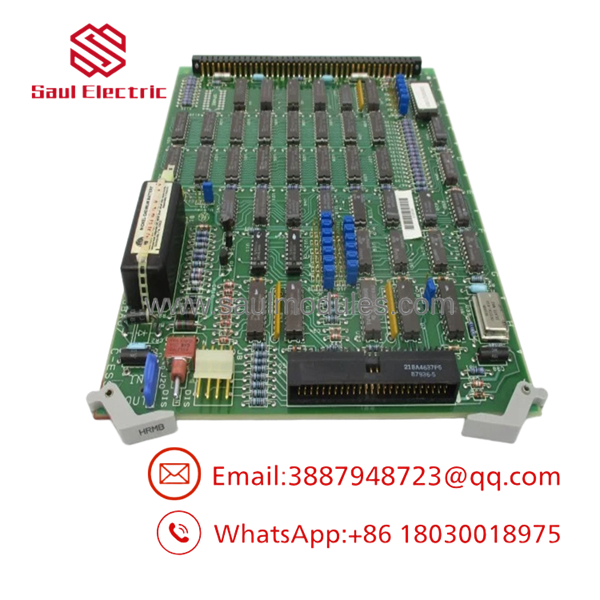
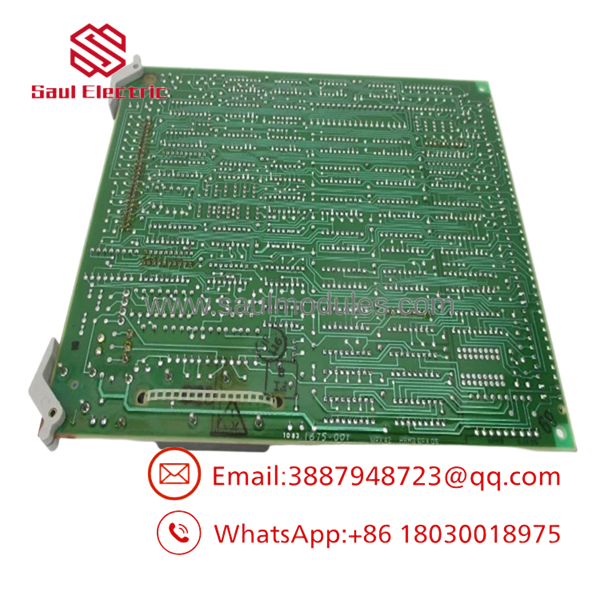
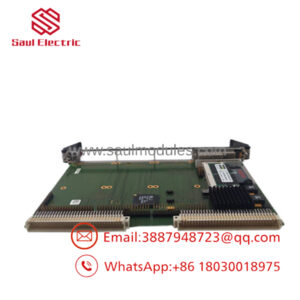
The GE DS3800HRMB1J1G is a high-speed RAM and EPROM memory board designed for GE Speedtronic Mark IV turbine control systems. Functioning as the primary system memory layer for the central control rack, it holds operating firmware, sequence-of-events logic, and real-time execution parameters required by the main processing units.
Control room engineers recognize the HRMB card as a vital processing foundation in Mark IV panels. Rather than storing system firmware on mechanical media or remote drives, this module houses socketed EPROM chips and fast static RAM directly on the local bus. This architecture delivers deterministic, zero-wait-state memory access, keeping turbine governor loops tightly synchronized without execution lag.
Key Technical Specifications
| Parameter | Specification / Value |
| Part Number | DS3800HRMB1J1G |
| System Compatibility | GE Speedtronic Mark IV Control Systems |
| Board Type | High-Speed RAM/EPROM Memory Board (HRMB) |
| Memory Configuration | Onboard Static RAM arrays + DIP sockets for system EPROMs |
| Interconnects | Main card-edge motherboard connector & test points |
| Configuration Controls | Hardware jumper blocks for memory address mapping |
| Card Handling | Dual nylon card ejector handles on leading edge |
| Revision Level | Group 1J, Assembly 1G (1J1G) |
| Operating Temperature | 0°C to +60°C (32°F to +140°F) |
| Power Supply | Backplane derived (+5V DC logic power) |
Application Scenarios & The “Trench” Experience
It’s 1:45 AM during a cold grid start, and a 150 MW combined-cycle gas turbine fails its power-on self-test (POST). The Mark IV rack displays an unrecoverable “Memory Parity Error” on the main control processor bus. The CPU itself is fine, but a memory chip on an aging HRMB board suffered a partial bit-flip due to thermal degradation, corrupting the executive boot sequence. Every hour the turbine sits dark costs the utility thousands in unfulfilled generation commitments. Swapping in a clean, bench-verified DS3800HRMB1J1G board, transferring the site’s socketed firmware EPROMs, and rebooting the rack is the single fastest way to clear the parity fault and get the unit synced to the grid.
- Base-Load Power Stations – GE Frame 7/9 Gas Turbines – Storing core executive firmware and governing logic for primary turbine control racks.
- Industrial Steam Utilities – Co-generation Facilities – High-reliability memory storage for continuous steam header pressure and temperature control loops.
- Refineries & Chemical Plants – Mechanical Drive Turbines – Retaining system parameters and sequence-of-events data for critical compressor drivers.
Field Case Study
A steel plant’s captive power house experienced random controller lockups on its primary steam turbine set whenever ambient control room temperatures drifted above 85°F. Diagnostic sweeps pointed to thermal memory access errors on the original memory card. We dispatched a fully tested DS3800HRMB1J1G replacement board within 8 hours. The field engineer carefully moved the socketed EPROMs from the old card to the replacement, verified jumper address mapping, and brought the turbine back online without a single memory fault—saving an estimated $90,000 in avoided production halts.
DS3800HRMB1J1G
DS3800HRMB1J1G
Transparency SOP: Quality Assurance & Testing
We don’t just ship boxes; we test them on actual GE Mark IV test rigs. Here is our exact internal verification workflow before any DS3800HRMB1J1G leaves our warehouse:
- Inbound Visual & Socket Inspection: Check IC sockets for bent contacts or oxidation, verify card-edge gold fingers for wear, and inspect trace runs for thermal stress.
- Cold Impedance & Power Audit: Measure resistance across power rail pins to verify no short circuits exist before applying live logic power.
- Power-On Self-Test (POST) & Bus Initialization: Install the card into a live Mark IV rack chassis to confirm stable logic boot and backplane communication.
- Full Memory Address Read/Write Sweep: Perform continuous pattern read/write testing across all static RAM locations using a memory test harness to verify zero parity errors or bit drops.
- Revision Verification: Document exact revision codes (
1J1G) on the final QA release certificate. - ESD Packaging: Seal inside static-shielding bags with fresh desiccant packs before placing in custom foam shipping containers.
The Veteran’s Tech Trap Guide (Crucial Value-Add)
⚠️ 1. YOU MUST TRANSFER YOUR SITE-SPECIFIC EPROMS!
The DS3800HRMB1J1G includes DIP sockets designed for system firmware EPROMs. A replacement board does NOT contain your facility’s software file. You MUST carefully remove the socketed EPROM chips from your original board and transfer them to the replacement card using a proper IC extraction tool. Orient Pin 1 correctly with the notch on the socket! Inserting an EPROM backward will destroy the chip instantly upon power-up.
❗ 2. Match Address Mapping Jumpers Exactly
The HRMB card uses hardware jumper blocks to configure memory address boundaries for the backplane bus. Placing a new surplus board with default jumper settings into a live rack can cause memory overlap conflicts with other cards. Take a high-resolution photo of your original board’s jumper positions before pulling it!
⚠️ 3. Use Grounded ESD Protection During Chip Transfer
Static discharge will ruin sensitive memory cells instantly. Always wear a grounded ESD wrist strap attached to a verified earth ground when handling this board or transferring socketed ICs. Touch unpainted rack metal before removing the card from its anti-static bag.
Frequently Asked Questions (FAQ for Conversion)
A: No. Removing a memory board while the Mark IV rack is energized will crash the central processor immediately, risk corrupting active memory contents, and trip the turbine safety loop. Always execute full LOTO procedures before swapping this card.
Q: What does the “1J1G” suffix mean?
A: In GE Mark IV part numbers, 1J1G represents the exact engineering revision level. 1J designates the group artwork and trace layout, while 1G refers to the specific component bill of materials (BOM) revision.
Q: What happens if I power up the board without transferring the EPROMs?
A: The central processor will fail its boot sequence and lock up with a missing firmware or bus timeout error on the diagnostic display.
Q: Is this unit new or refurbished, and what warranty covers it?
A: We supply this module as New Surplus stock (unused factory original surplus). Every unit includes our full 12-month operational replacement warranty.
Q: Why buy surplus instead of ordering directly through GE OEM networks?
A: Legacy Mark IV series components have been discontinued by the manufacturer for years. Sourcing New Surplus from our stock avoids multi-month factory lead times, eliminates exorbitant rush fees, and provides an immediate drop-in replacement for operating power plants.

 Start Chat


