





Description
Product Introduction
The GE DS3800NGRA1G1B is a dedicated Relay Output and Attenuator Board (NGRA) engineered for General Electric’s Speedtronic Mark IV turbine control enclosures and heavy-duty industrial drive systems. Operating at the boundary between delicate control processing logic and high-power field devices, this module isolates, conditions, and drives discrete digital switching commands across the plant floor.
Unlike low-level computational or communications boards, the NGRA card is built for electromechanical actuation. It converts 5VDC or 15VDC logic commands from central processor modules into robust, dry contact closures capable of switching 125VDC station battery loops, solenoid valves, trip solenoids, and external plant annunciators. The board incorporates RC snubber suppression networks to absorb inductive voltage spikes produced when field coils de-energize, protecting adjacent backplane circuits from electromagnetic interference (EMI).
Key Technical Specifications
| Parameter | Specification / Value |
| Manufacturer | General Electric (GE) |
| System Architecture | Speedtronic Mark IV Turbine Control & System Drives |
| Board Functional Acronym | NGRA (Relay Output & Attenuator Board) |
| Primary Function | Logic-to-field relay output actuation, signal attenuation, & inductive load suppression |
| Output Contacts | Array of heavy-duty electromechanical relays (NO/NC dry contact channels) |
| Contact Load Ratings | Up to 125VDC / 220VAC switching capability for field trip solenoids |
| Transient Protection | Onboard RC snubber networks & metal-oxide varistors (MOVs) across contacts |
| Backplane Connection | Dual multi-pin gold card-edge connectors for Mark IV card-cage insertion |
| Hardware Configuration | Physical BERG jumpers for contact state inversion and coil voltage attenuation |
| Operating Temperature | -30°C to +65°C Industrial Extended Range |
Application Scenarios & The “Trench” Experience
The Trench Story
It’s 2:30 AM at a gas turbine power plant. Frame 7 Gas Turbine #2 generates a “Fuel Gas Stop Valve Actuation Failure” alarm during a automated start sequence, locking out the fuel ignition sequence. The instrument technician verifies that the central processor is issuing the open command, but the 125VDC stop valve solenoid is not receiving power. Inspection reveals that years of inductive arcing pitted the contact points on one of the onboard output relays of the aging NGRA card, preventing current flow to the solenoid. Swapping in a pre-tested DS3800NGRA1G1B replacement board and transferring the site’s physical BERG jumper configuration restores clean relay actuation, allowing the stop valve to open and bringing the turbine online on the next start attempt.
Industrial Applications
- Turbine Trip & Interlock Circuits: Driving 125VDC master protective trip solenoids and emergency fuel isolation valves on GE Frame 5, 6, 7, and 9 units.
- Steam Chest & Valve Control: Actuating auxiliary solenoid valves for steam turbine drain valves and gland seal steam regulation.
- Heavy Duty Industrial VFDs: Handling contactor coil switching and fault interlock signaling in large industrial rolling mill drive racks.
- Generator Breaker Sync Interlocks: Providing dry-contact status feedback to generator circuit breaker closing logic.
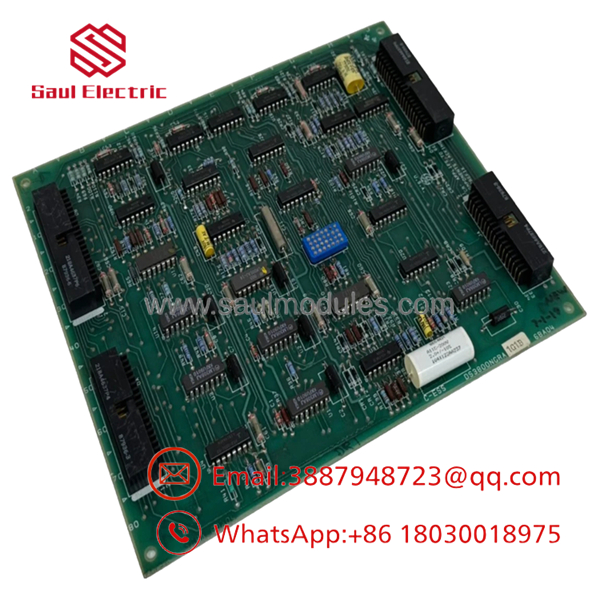
DS3800NGRA1G1B
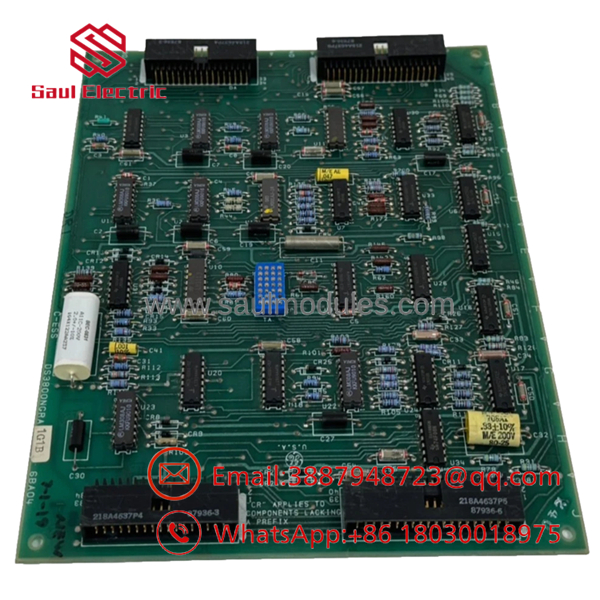
DS3800NGRA1G1B
Transparency SOP: Quality Assurance & Testing
Every legacy module undergoes a strict, multi-stage reconditioning and dynamic load validation protocol before dispatch:
- Inbound Physical Inspection: Detailed optical audit under magnification for thermal trace fatigue, relay case damage, pitted contact pads, aged capacitors, and gold edge-connector wear.
- Ultrasonic ESD Cleaning: Deep solvent wash to eliminate airborne oil haze, carbon dust, and industrial film accumulated over decades of enclosure service.
- Relay Contact Resistance Audit: Measuring contact resistance (mΩ) across all open and closed relay contacts using a micro-ohm meter to ensure zero contact pitting or excessive voltage drop under load.
- Full Electrical Actuation Testing: Cycling every output relay across its rated voltage and current limits to verify coil actuation times, clean release, and zero contact chatter.
- Live Mark IV Rack Execution: Installing the card into an active Speedtronic Mark IV test cage to verify clean backplane bus response, coil driver handshaking, and LED indication status.
- Jumper Audit & ESD Packaging: Documenting all physical BERG jumper settings before vacuum-sealing the board in static-shielding ESD packaging.
The Veteran’s Tech Trap Guide (Crucial Value-Add)
⚠️ 1. Relay Coil & Attenuation BERG Jumpers
The DS3800NGRA1G1B features physical BERG jumper blocks to configure relay coil driving voltages, attenuation levels, and normally open (NO) versus normally closed (NC) contact logic. Installing a replacement card without replicating the exact jumper positions from your original board can cause inverted valve logic—such as a fuel valve opening when it should close—triggering immediate turbine trips or unsafe field conditions.
Fix: Take a high-resolution photograph of every jumper block on your failed card before removal, and duplicate every jumper position line-for-line on the replacement board.
❗ 2. Inductive Kickback & Snubber Resistor Stress
When switching DC inductive loads like 125VDC trip solenoids, intense back-EMF is generated when the contact opens. If an external field flywheel diode is failed or missing, this surge is absorbed by the board’s onboard RC snubbers, eventually burning out the surrounding board traces or welded relay contacts over time.
Fix: Inspect and test the flywheel protection diodes on the field solenoid coils whenever replacing an NGRA relay board to prevent premature contact failure on the new card.
⚠️ 3. Revision Suffix Parity (1G1B)
The trailing suffix 1G1B designates late-generation artwork revisions, incorporating higher-wattage snubber resistors and upgraded sealed relays compared to earlier 1A or 1B variants. Matching the full alphanumeric code ensures component parity and thermal resilience in high-duty-cycle switching loops.
Fix: Cross-reference the complete part number stamped on the PCB edge margin prior to ordering.
Frequently Asked Questions (FAQ)
Q: Can I hot-swap the DS3800NGRA1G1B board while the Mark IV system is under power?
A: No. Pulling or inserting a relay output card live can cause momentary contact bounce across field circuits, potentially dropping trip solenoids, opening fuel valves, or triggering false turbine trips. Always isolate cabinet control power prior to servicing.
Q: What is the most common failure mode on this module?
A: Mechanical relay contact wear is the primary failure mode. Over hundreds of thousands of switching cycles under inductive loads, relay contacts can develop carbon buildup, increased contact resistance, or become thermally welded shut.
Q: Does this card require software flashing or firmware loading after replacement?
A: No. The DS3800NGRA1G1B is a pure hardware-level interface board. It functions using discrete driver transistors, electromechanical relays, snubber networks, and physical BERG jumpers—no software loading or EEPROM programming is required.
Q: Why does my field solenoid fail to actuate even though the relay LED on the board illuminates?
A: This indicates that while the board’s low-voltage coil driver circuit is functioning, the mechanical relay contacts inside the sealed housing may be worn/pitted, the field contact fuse is blown, or there is a break in the external 125VDC field power loop.
Q: What warranty is supplied with your surplus and refurbished stock?
A: Every DS3800NGRA1G1B board shipped carries a full 12-month replacement warranty. If a module fails under standard operating conditions within one year of installation, it is replaced directly from stock.

 Start Chat


