





Description
Product Introduction
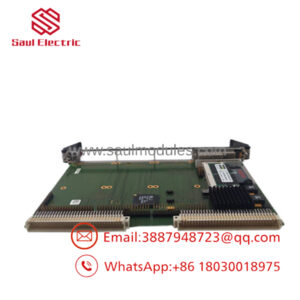
The GE DS3800NLBA1C1C functions as a fundamental logic control board within the classic Speedtronic Mark IV turbine control system. Designed for critical power generation and heavy drive applications, this board executes hardware-level logic processing and conditions operational signals passed between primary controller racks and peripheral devices.
Unlike modern modular I/O, the DS3800 series relies on direct card-edge architecture and hardware-configurable jumpers for fast execution. Its rugged trace routing and onboard noise suppression provide immunity against power surges and high electromagnetic interference commonly found in power plant environments.
Key Technical Specifications
| Parameter | Specification |
| Manufacturer | General Electric (GE) |
| Part Number | DS3800NLBA1C1C |
| System Compatibility | Speedtronic Mark IV Control Systems |
| Board Type | Logic & Signal Processing Board |
| Installation Format | Rack-mounted via edge connector card cage |
| Interfacing | Card edge gold-plated fingers & top-edge ribbon headers |
| Configuration | Hardware DIP switches & onboard jumper pins |
| Power Requirements | Regulated DC voltages supplied via backplane bus |
| Operating Temperature | -30°C to +65°C (-22°F to +149°F) |
Application Scenarios & The “Trench” Experience
During a base-load run on an aging frame-7 gas turbine, the control cabinet throws a sudden fault indication across the Mark IV processor bank, taking the unit offline during peak summer demand. Diagnostics trace the issue to intermittent gate logic failures on an old DS3800 logic card caused by thermal stress over decades of continuous operation. Swapping in a pre-inspected, fully bench-tested replacement board clears the internal system bus error immediately, avoiding days of unscheduled downtime.
- Gas Turbine Systems – Prime Logic Execution – Manages discrete permissive sequences, startup ramps, and trip interlock lines.
- Steam Turbine Controls – Valve Positioning & Interlocks – Routes digital logic signals to hydraulic fluid control systems and trip headers.
- Industrial Cogeneration – Utility Tie Protection – Interfaces main breaker status logic directly to the primary Mark IV controller core.
Transparency SOP: Quality Assurance & Testing
We don’t just ship boxes; we test them on actual GE Mark IV racks.
- Inbound Visual Inspection: Trace-level inspection under magnification to check for burnt resistors, cold solder joints, lifted pads, or bent connector pins.
- Edge Connector Verification: Micro-cleansing and inspection of all gold-plated edge fingers to guarantee low-resistance backplane contact.
- Bench Isolation Checks: Point-to-point resistance and continuity testing to ensure onboard capacitors and diodes haven’t degraded over storage time.
- Powered Rack Simulation: Card insertion into an energized Mark IV test chassis to verify power rails, clock signals, and basic logic handshake.
- ESD Static Protection: Board is vacuum-sealed in an anti-static ESD shield bag accompanied by fresh desiccant before final shipping.
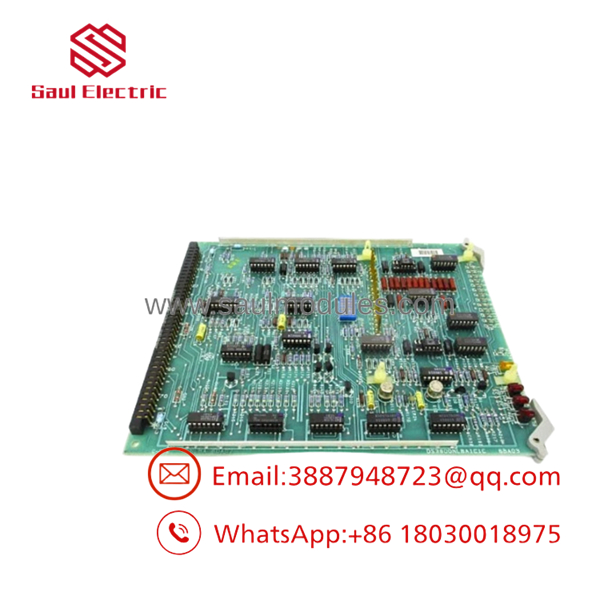
DS3800NLBA1C1C
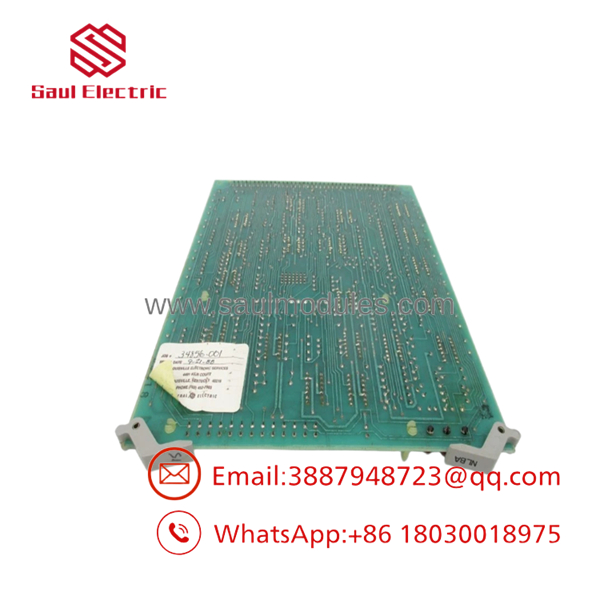
DS3800NLBA1C1C
The Veteran’s Tech Trap Guide (Crucial Value-Add)
- ⚠️ Match Board Revision Letters Exactly: Pay close attention to the
1C1Crevision code at the end. While base boards might look identical, artwork revisions often change jumper assignments or trace paths. Double-check your original card artwork version before sliding a new card in. - ❗ Photograph Every Jumper & Switch: To be honest, legacy Mark IV boards are notorious for non-documented site-specific jumper changes made by field engineers decades ago. Take a clear photo of the DIP switches and shorting jumpers on your failed board before pulling it.
- ⚠️ Mind the Edge Connectors: Never force a card into the backplane frame. If it binds halfway, inspect the card guide rails and backplane pin alignment. Pushing too hard will crack the female connector sockets on the rack backplane.
- ❗ ESD Hands-On Safety: Old logic chips on these boards are highly vulnerable to static discharge. Wear a bonded wrist strap grounded to the cabinet frame before removing the board from its packaging.
Frequently Asked Questions (FAQ for Conversion)
Q: Is the DS3800NLBA1C1C board hot-swappable?
A: No. Absolutely not. Pulling a Mark IV board live will arc the edge connector contacts, potentially frying both the card and the backplane power supply rails. Always de-energize the rack first.
Q: Does this card require software loading or firmware flashing?
A: No. The DS3800 series operates on hardware discrete logic, jumpers, and onboard components. There are no flash microcontrollers to program; hardware jumpers set the board’s operational parameters.
Q: How do I know if my original board issue is the card or the backplane?
A: Inspect the board edge fingers for burn marks or pitting. If the fingers look scorched, check the corresponding female slot on the backplane for carbon buildup before inserting a replacement board.
Q: Why buy surplus Mark IV components instead of upgrading to Mark VIe?
A: A full Mark VIe migration requires extensive cabinet rewiring, software conversion, and weeks of scheduled plant shutdown. Swapping an existing DS3800 board takes less than 30 minutes and costs a small fraction of a full migration project.
Q: What type of warranty comes with this replacement module?
A: Every unit carries a full 12-month replacement warranty covering hardware operations and trace integrity from the date of receipt.

 Start Chat


