





Description
Product Introduction
The GE Fanuc IC693DNM is a DeviceNet Master (Scanner) Module designed to integrate GE Series 90-30 PLC systems into trunk-line DeviceNet networks. It mounts into any option slot of a Series 90-30 CPU or expansion baseplate, offloading network communications from the main processor while maintaining high-speed cyclic data handshakes with up to 63 DeviceNet slave devices.
Featuring a standard 5-pin open-style unsealed connector, the IC693DNM manages Master/Slave I/O messaging, explicit messaging, and network diagnostic monitoring. It allows plant engineers to integrate third-party DeviceNet hardware—such as variable frequency drives (VFDs), motor control centers (MCCs), manifold valve blocks, and photo-eyes—directly into the Series 90-30 rack logic.
Key Technical Specifications
| Parameter | Specification |
| Module Type | DeviceNet Network Master / Scanner |
| Network Interface | Standard 5-pin open-style pluggable terminal block |
| Supported Baud Rates | 125 Kbps, 250 Kbps, 500 Kbps (Software Selectable / Auto-Baud) |
| Max Network Nodes | 64 total nodes (1 Master + up to 63 Slave devices) |
| Max Network Distance | 500m @ 125 Kbps, 250m @ 250 Kbps, 100m @ 500 Kbps |
| DeviceNet Bus Power | 11 to 25 VDC required on network cable (24V nominal) |
| Backplane Current Draw | 450 mA at 5 VDC (from Series 90-30 baseplate supply) |
| Messaging Support | Polled, Bit-Strobed, Change of State (COS), Cyclic, Explicit Messaging |
| LED Status Indicators | MODULE OK, NETWORK STATUS (NS), MODULE STATUS (MS) |
| Configuration Tool | GE DeviceNet Manager / Proficy Machine Edition |
Application Scenarios & The “Trench” Experience
At 1:15 AM on a conveyor sorting system, a bottle packaging line suddenly lost telemetry from a bank of 12 pneumatic valve manifolds and 4 motor drives. The “NS” (Network Status) LED on the installed IC693DNM master card turned solid red, indicating a complete bus fault. A voltage spike on the 24V bus powering the DeviceNet trunk line had fried the module’s opto-isolated physical layer transceiver. With the bottle sorter stalled, dozens of cases were piling up on the main feed belt, threatening a multi-hour production shutdown.
Application Scenarios
- Distributed Motor Control Centers (MCC): Links Series 90-30 PLCs to smart overload relays, VFDs, and soft starters over a single DeviceNet trunk line.
- Pneumatic Manifold Integration: Controls multi-station solenoid valve islands on robotic end-of-arm tooling and packaging machinery without heavy multi-conductor wiring.
- Field Sensor Networks: Collects real-time digital and analog signals from dispersed proximity switches, photo-eyes, and weigh scale transmitters.
- Third-Party Device Integration: Interfaces non-GE field devices (Rockwell, SMC, Festo, Schneider) into a unified GE control architecture.
Field Case Study
An automotive glass processing plant in Illinois suffered a sudden network drop on their main annealing oven feed line. The legacy IC693DNM scanner card suffered a physical layer transceiver failure, severing the link to 18 VFDs and halting production at $12,500 per hour. We pulled a fully tested, bench-certified surplus IC693DNM from our inventory and dispatched it via hot-shot courier. The site technician powered down the rack, replaced the card in option slot 3, restored the node mapping configuration via Proficy Machine Edition, and re-established complete DeviceNet network communication within 20 minutes of arrival.
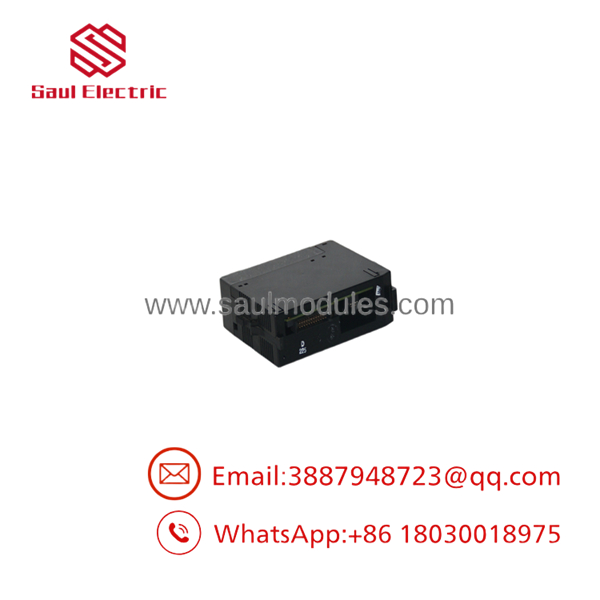
IC693DNM
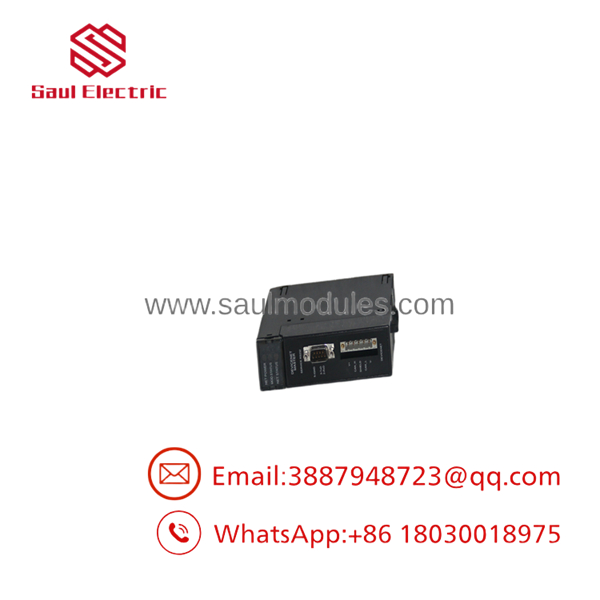
IC693DNM
Transparency SOP: Quality Assurance & Testing
We test every IC693DNM module on active DeviceNet hardware loops before adding it to our ready-to-ship stock.
- Inbound Visual Verification: Inspection for cracked plastic casing, damaged 5-pin terminal block headers, bent card-edge connector pins, and label authenticity.
- Backplane Power-On Check: Slotted into an active GE Series 90-30 rack (IC693CHS392 driven by an IC693PWR330 supply) to verify MODULE OK self-test execution.
- Live DeviceNet Network Sweep: Wired to a live DeviceNet trunk line powered with 24 VDC; scanned a multi-node test network featuring a VFD and remote I/O block at 125, 250, and 500 Kbps.
- Data Throughput & Stress Test: Executed continuous cyclic polled data transfers and explicit messaging cycles for 4 hours to verify signal integrity and zero packet drops.
- ESD Packaging & Final QC: Node mapping cleared to factory defaults, card sealed in heavy-duty ESD shielding, and packed into custom impact-resistant protective foam.
The Veteran’s Tech Trap Guide
- ⚠️ DeviceNet 24V Bus Power Required: The requires an external 24 VDC power supply connected directly to the DeviceNet 5-pin network cable (V+ and V- pins). If external 24V bus power drops below 11 VDC, the module’s transceiver will shut down and trip a Network Fault, even if the PLC rack itself is fully powered.
- ❗ Never Hot-Swap on the Baseplate: The GE Series 90-30 backplane is not hot-swappable! Inserting or pulling the card while the baseplate power supply is energized can arc connector pins, destroy internal CAN transceiver chips, or cause a CPU backplane fault. Always turn off main rack power first.
- ⚠️ Must Install 120-Ohm Termination Resistors: A standard DeviceNet trunk line must have a 121-ohm, 1/4-watt terminating resistor installed at each physical end of the main trunk line (between CAN_H and CAN_L). Missing or incorrect termination causes signal reflections, leading to intermittent node dropouts and “bus-off” errors.
- ❗ Verify Electronic Data Sheets (EDS Files): When adding new or replacement third-party slave devices to the network, ensure you import the matching EDS files into GE DeviceNet Manager or Proficy Machine Edition to ensure correct input/output word alignment in the CPU register memory.
Frequently Asked Questions (FAQ for Conversion)
Q: Is the GE Fanuc module hot-swappable?
A: No. You must shut down main incoming power to the Series 90-30 baseplate before removing or installing the module to prevent backplane or transceiver damage.
Q: Does the require external power?
A: Yes. While the module draws backplane power (5V DC) from the rack for its internal logic, the DeviceNet network port requires 24 VDC external bus power connected to the 5-pin network connector to power the network transceiver.
Q: How many slave devices can the scan?
A: The can act as a master to up to 63 DeviceNet slave nodes on a single network loop (Node addresses 0 to 63).
Q: What software is used to configure the ?
A: Configuration is performed using Emerson/GE Proficy Machine Edition or legacy GE DeviceNet Manager software, where you can map device I/O addresses to the CPU’s %I, %Q, %AI, and %AQ register tables.
Q: What warranty comes with this surplus DeviceNet master card?
A: Every module is backed by a full 12-month replacement warranty. All units are authentic GE Fanuc surplus equipment, thoroughly cleaned, inspected, and bench-tested under live DeviceNet network traffic before shipment.

 Start Chat


