





Description
Key Technical Specifications
| Parameter | Value |
| Manufacturer | General Electric (GE) |
| Part Number | IC9445B200AB |
| Actuator Type | Lever Operated |
| Number of Circuits | 2 Independent Circuits (Non-Overlapping) |
| Current Rating | 15 A |
| Voltage Rating | 600 V AC/DC maximum |
| Enclosure Rating | Watertight / NEMA Type 4 (IP66 equivalent) |
| Housing Material | Heavy-duty die-cast aluminum |
| Mounting Orientation | Surface Mount |
| Operating Temperature | −40 to +70°C |
| Shipping Weight | 9.94 lbs (4.5 kg) |
Product Introduction
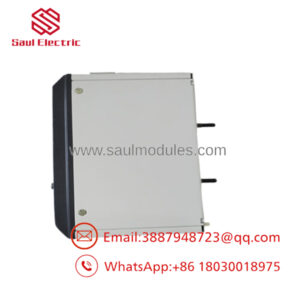
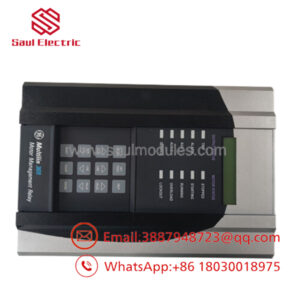
The GE IC9445B200AB is a heavy-duty, lever-operated industrial limit switch designed for precise position detection and safety interlocking in demanding processing environments. Built with a rugged die-cast aluminum enclosure, this watertight switch controls two independent, non-overlapping electrical circuits under harsh physical conditions.
Engineers specify this module for conveyor control, material handling machinery, and heavy industrial cranes because it eliminates cross-conduction risks during mechanical transit. The 15 A, 600 V rating ensures direct switching capability for high-power contactor coils without requiring auxiliary isolation relays.
Installation & Configuration Guide
Stage 1: Pre-Installation Preparation
- ⚠️ Safety First: Confirm the target mechanical asset is locked out and tagged out (LOTO) per plant safety regulations. De-energize all connected 600 V or 120 V control loops. Verify the circuit is dead using a calibrated Fluke 115 multimeter before opening the housing cover.
- Tools Required: ESD wrist strap, PH2 Philips screwdriver, regular slotted screwdriver, wire markers, and a digital camera or phone.
- Data Backup: Document the physical cam-to-lever engagement angles. Sketch or photograph the existing internal terminal block wiring layout.
Stage 2: Removing the Old Module
- Loosen the cover captive screws and remove the front watertight bezel.
- Affix clear wire labels to each conductor matching the terminal designations. Disconnect the field wires from the terminal blocks.
- Loosen the surface mounting bolts securing the heavy metal housing to the machine frame.
- Remove the assembly completely. Inspect the mounting area for excessive wear or alignment shift on the physical actuator cam.
- ⚠️ Note: Keep the old switch assembly on the bench for reference until the replacement unit passes all functional validation testing.
Stage 3: Installing the New Module
- Check that the model numbers match exactly. Verify that the internal contact block mechanism matches the non-overlapping circuit requirements.
- Mount the new IC9445B200AB housing onto the surface frame. Torque the mounting bolts to the OEM specification to prevent vibration-induced loosening.
- Align the lever arm with the actuator cam. Adjust the pre-travel angle to ensure clean mechanical actuation without over-travel binding.
- Terminate the labeled field wires into the internal terminal blocks. Tighten the terminal screws firmly to eliminate high-resistance connections.
- Self-Checklist:
- [ ] Lever arm is properly aligned with the external mechanical cam.
- [ ] Wire labels match the internal terminal mapping perfectly.
- [ ] Housing seal is seated properly within its groove before closure.
Stage 4: Power-On & Testing
- With the field wiring energized but the machine logic in dry-run/manual mode, manually cycle the lever arm to verify physical actuation.
- Observe the electrical continuity change on the two independent circuits using a multimeter.
- Seal the enclosure cover tightly to maintain the watertight integrity.
- Run the machine through a full operational cycle to ensure the switch triggers at the correct mechanical travel limit.
- ⚠️ Troubleshooting Note: If circuits activate simultaneously or clear separation is lost, immediately halt operation. Inspect the contact block for physical damage or misaligned internal plungers.
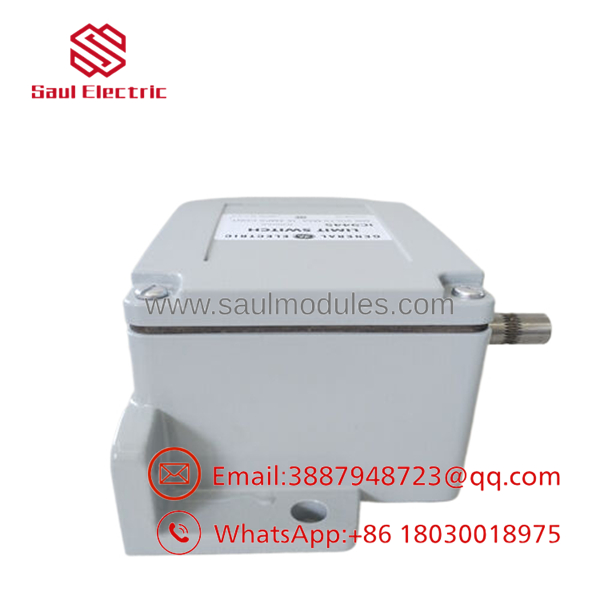
- IC9445B200AB
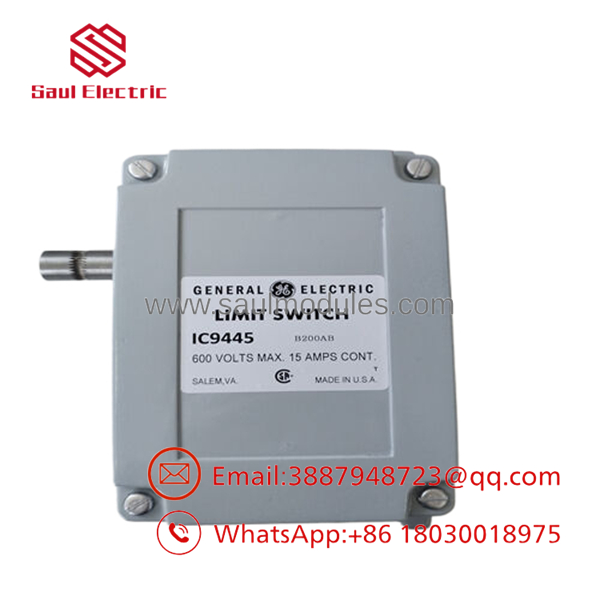
- IC9445B200AB
Frequently Asked Questions (FAQ)
Can I swap an IC9445B200AB while the control loop is live?
Absolutely not. This unit switches high-voltage control lines up to 600 V. Attempting to disconnect or wire this module under power will cause severe electrical arcing, which damages the wiring terminals and presents an immediate arc-flash hazard to personnel. Always pull the fuse or open the circuit breaker beforehand.
Is this model obsolete, and are these units genuinely new?
Yes, this specific GE industrial limit switch line is mature and largely legacy hardware. The units we provide are New Surplus (New Original). They have never been installed in a factory environment and have been sourced directly from clean industrial surplus reserves. They are stored in climate-controlled environments to prevent internal contact oxidation.
What does “non-overlapping circuits” mean for this specific switch?
Non-overlapping means that the two internal circuits have a mechanical propagation delay built into the contact block. One circuit completely opens before the second circuit begins to close. This prevents momentary short-circuits or cross-talk between two separate power sources or signal paths during the transition phase.
Will I need to modify my mounting footprint when replacing an older IC9445 series switch?
If you are replacing an identical or an older A-revision variant with the same chassis code, the surface mount dimensions match exactly. However, always verify the exact bolt spacing and shaft height against the dimensions outlined in the technical specification table before drilling new mounting holes.
Why is your pricing lower than the original OEM factory list price?
As a specialist supplier of industrial surplus and mature automation assets, we source components from factory cancellations, project overstock, and system upgrades. Because we buy these components outside standard distribution channels, we can pass those capital savings directly to maintenance budgets without sacrificing component integrity.

 Start Chat


