





Description
Product Introduction
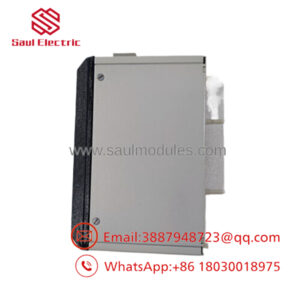
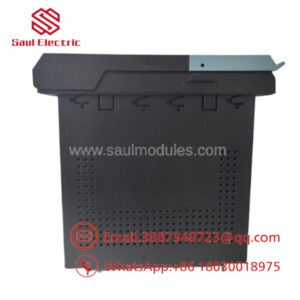
The GE IS200TRTDH1CBB (TRTD) is a dedicated Resistance Temperature Detector (RTD) terminal board engineered for the GE Speedtronic Mark VI control system. It acts as the physical connection point for up to 16 3-wire RTD field sensors, conditioning critical temperature feedback from generator windings, bearing metals, turbine casing, and lube oil loops before sending it to the main VME processing rack.
Unlike standard analog input cards that process voltage or 4-20 mA current signals, the TRTD board incorporates specialized low-noise excitation current sources designed specifically for precise resistance measurements. By isolating sensitive temperature inputs onto a dedicated, passive terminal board, it shields delicate RTD wiring from cross-talk, ground loops, and high-frequency electrical noise common in heavy industrial and power plant environments.
Key Technical Specifications
| Parameter | Specification / Value |
| Manufacturer | General Electric (GE) |
| Part Number | IS200TRTDH1CBB |
| Functional Acronym | TRTD (Terminal Board RTD) |
| System Compatibility | Speedtronic Mark VI Control System |
| Input Channels | 16 independent 3-wire RTD inputs |
| Compatible RTD Types | 100Ω Platinum (Pt100), 10Ω Copper (Cu10), 120Ω Nickel (Ni120) |
| Excitation Current | Precision onboard DC current sources (~1 mA / 10 mA depending on RTD type) |
| System Interface | Two 37-pin D-sub connectors to VME processor board (e.g., PRTD/VAIC) |
| Noise Rejection | Common-mode and differential passive filtering per channel |
| Mounting | Standard Mark VI Baseplate / DIN Rail Carrier |
Application Scenarios & The “Trench” Experience
Picture this: It’s 1:30 AM during peak summer operations. A 300 MW generator experiences a sudden high-temperature alarm spike across multiple stator winding RTDs simultaneously. The operator panics—a true stator overheating event means an immediate forced shutdown. However, physical inspection of the generator shows normal coolant flow and stable bearing temperatures. Diagnostic logs point to a drifting reference ground on an aging TRTD board, causing erratic resistance calculations. Swapping in a pre-tested IS200TRTDH1CBB, re-engaging the 37-pin ribbon cables, and verifying loop resistance clears the false alarms instantly, preventing an unnecessary, million-dollar emergency plant trip.
- Generator Stator & Bearing Monitoring – Terminates 100Ω Platinum or 10Ω Copper RTDs imbedded in main generator windings and thrust bearings. Required to provide accurate, drift-free thermal readings under intense electromagnetic fields.
- Gas & Steam Turbine Casing Temperature Tracking – Interfaces with multi-point RTDs measuring exhaust plenum, metal casing, and valve chest temperatures to manage thermal stress during turbine startup ramps.
- Lube Oil & Auxiliary Cooling Loops – Monitors supply and return oil temperatures for critical rotating machinery. Required because dedicated hardware filtering stops sensor wire noise from triggering false high-temp trips.
Transparency SOP: Quality Assurance & Testing
We don’t just ship boxes; we test them on actual GE Mark VI test beds before they ever go near a crate.
- Inbound & Visual Inspection: Thorough check under magnification for physical crack damage across the barrier blocks, bent pins on the 37-pin D-sub connectors, and un-lifted PCB trace paths.
- Precision Resistance & Loop Testing: High-precision decade resistance boxes are connected to all 16 channels to simulate 3-wire RTD inputs across Pt100 and Cu10 curves.
- Excitation Current Output Check: Measurement of internal excitation current sources to ensure stable micro-amp output across every channel without voltage droop.
- VME Bus Pass-Through & Noise Isolation Test: Board connected to a live Mark VI rack via standard 37-pin cables to verify signal integrity, channel isolation, and cold-junction/ambient compensation accuracy.
- Anti-Static Sealing & Safe Packaging: Cleared of static charges, vacuum-sealed in an ESD shielding bag with desiccant, and securely packed inside custom-cut foam boxes.
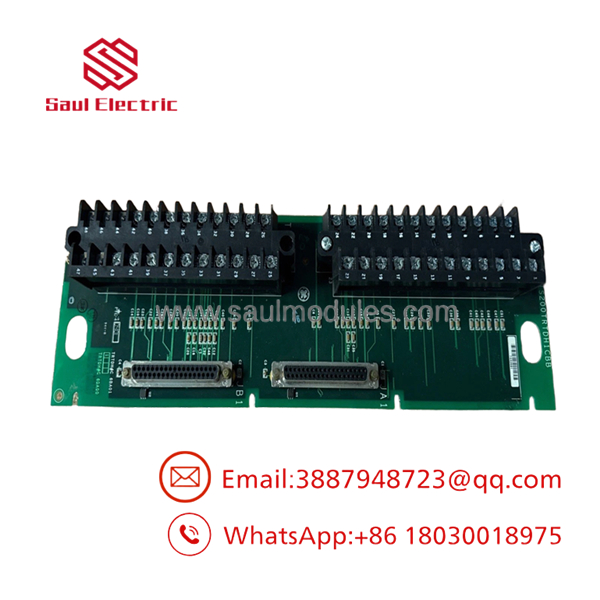
IS200TRTDH1CBB
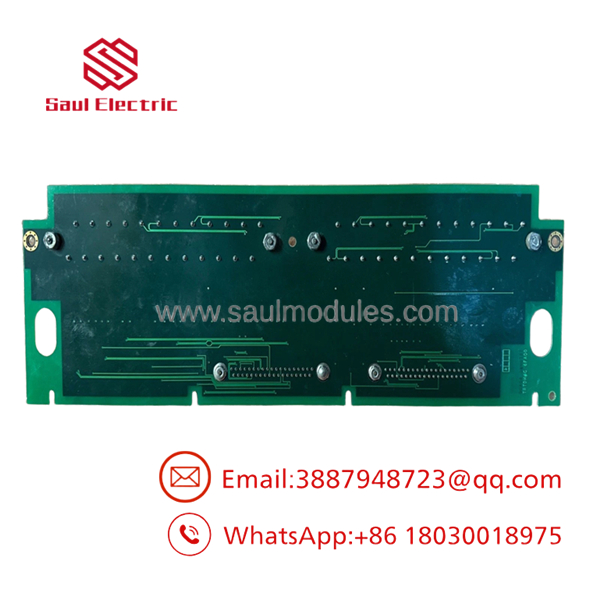
IS200TRTDH1CBB
The Veteran’s Tech Trap Guide (Crucial Value-Add)
- ⚠️ Do Not Mix Up 2-Wire and 3-Wire Ground Compensation!
The TRTD board is designed for 3-wire RTDs to compensate for lead-wire resistance. If you are wiring a 2-wire RTD in an emergency, you must jumper the compensation terminal to the signal return at the board. Otherwise, your temperature reading will read off by tens of degrees due to uncompensated lead resistance.
- ❗ Verify RTD Type Software Settings in ControlST / Toolbox
The physical IS200TRTDH1CBB card handles the raw wiring landing, but the channel scaling (whether it’s Pt100, Cu10, or Ni120) is defined in software. If you swap out a board and your temperature readings shoot to off-scale high (+500°C) or off-scale low, double-check that the software channel configuration matches the actual field sensor type connected to that channel.
- ⚠️ Protect the 37-Pin D-Sub Cable Connector Pins
The two heavy-duty D-sub connectors on the TRTD board interface directly with the main VME processor card. The cables running to these connectors are stiff. Always seat the connector completely straight and tighten the jack-screws evenly by hand. Forcing a cocked connector will crush the pins, shorting out adjacent RTD channels.
- ❗ Beware of Stray Field Voltages
Never use a standard megohmmeter (Megger) on field cables while they are still attached to the TRTD terminal board. Applying a 500V or 1000V insulation test to field wiring with the TRTD board connected will instantly destroy the onboard precision filtering capacitors and multiplexer protection diodes.
Frequently Asked Questions (FAQ for Conversion)
Q: Can I hot-swap the IS200TRTDH1CBB board while the turbine is online?
A: No. Unplugging the TRTD board while the system is online will instantly drop all 16 temperature channels to an open-circuit state. The Mark VI system will interpret this as an immediate over-temperature event across all monitored points, triggering an automatic turbine trip. Inhibit the core or shut down the rack before replacing the card.
Q: What does the “CBB” suffix stand for in IS200TRTDH1CBB?
A: The “H1C” represents the primary functional group revision, while “BB” designates the specific PCB artwork and manufacturing revision. The H1CBB revision is fully functional and backward-compatible with older H1A or H1B TRTD board variants.
Q: Does this board require field calibration or potentiometer adjustments?
A: No. The uses fixed precision resistors and digital scaling managed by the upstream VME processor card. There are no manual potentiometers to adjust on the board.
Q: Can I connect Thermocouples to the card?
A: No. Thermocouples require millivolt processing and cold-junction compensation provided by dedicated thermocouple cards (like the TBTCH board). The TRTD card is designed strictly for resistance-based temperature detectors (RTDs).
Q: Why purchase New Surplus or Tested Refurbished stock over ordering direct from GE?
A: Speedtronic Mark VI components are classified as mature/legacy by the OEM, resulting in long factory lead times and premium emergency pricing. Sourcing fully bench-tested surplus hardware allows you to get genuine OEM replacement parts immediately, preventing extended downtime during critical plant outages.

 Start Chat


