





Description
Key Technical Specifications
| Parameter | Value |
| Functional Acronym | AEPS (Alternative Energy Power Supply Board) |
| System Compatibility | GE 1.5 Megawatt (1.5MW) and related wind turbine generator (WTG) control decks |
| Control Series Platform | PACSystems Mark VIe Wind Automation System |
| Board Functional Variant | Group 1 Build, Revision BCA |
| PCB Environmental Protection | Full factory conformal coating for moisture, salt air, and dust isolation |
| Input Supply Paths | Designed to take raw cabinet bus voltages and condition them down |
| Onboard Diagnostic Indicators | Status LEDs tracking active internal power rails |
| Operating Temperature | −30 to +65 °C (−22 to 149 °F) local enclosure rating |
| Storage Temperature Profile | −40 to +85 °C (−40 to 185 °F) |
| Physical Standoff Layout | Heavy-duty perimeter screw eyelets for structural high-vibration stability |
Product Introduction
The GE IS210AEPSG1BCA is a specialized Alternative Energy Power Supply (AEPS) board engineered by GE Energy for the PACSystems Mark VIe wind turbine control architecture. Deployed primarily within the control panels of GE 1.5MW wind turbine fleets, this vital power management card regulates, filters, and distributes stable internal DC power rails to adjacent control modules, driver boards, and communication bridge interfaces.
Because wind turbine nacelles face high vibration, rapid temperature swings, and atmospheric exposure, the IS210AEPSG1BCA features a heavy-duty industrial build. It comes with a factory-applied conformal coating that seals its traces against conductive carbon brush dust, condensation, and coastal salt air. Equipped with onboard voltage-clamping circuits and filtering capacitors, the AEPS board isolates delicate microprocessor-level logic components from volatile line drops, electrical noise, and lightning-induced voltage surges on the turbine tower’s distribution bus.
Installation & Field Swap Guide
Stage 1: Pre-Installation Preparation (Estimated Time: 15 minutes)
- ⚠️ Safety First: Lock out and tag out the primary input power circuit breakers supplying the wind turbine control cabinet. Working inside an active power distribution panel poses an arc-flash hazard and risks tracking damage to the new power supply board.
- Tools Required: Grounded static-dissipative ESD wrist strap, insulated nut drivers, small flathead terminal screwdriver, and a calibrated digital multimeter.
- Pre-Swap Check: Document or photograph the exact placement of all incoming power wires, plug headers, and ground connections on the terminal strip paths before physical extraction.
Stage 2: Removing the Defective Card (Estimated Time: 10 minutes)
- Attach your ESD wrist strap to a verified bare-metal frame ground point within the enclosure panel.
- Verify with your multimeter that all terminals on the AEPS board carry zero voltage.
- Unplug all internal power distribution harnesses, logic connectors, and terminal block plugs.
- Back out the retaining screws securing the PCB framework to the panel’s nylon or metal chassis standoffs.
- ⚠️ Note: Pull the card straight toward you, ensuring it stays perpendicular to the panel to avoid bending underlying pins or scraping trace layers. Place the card immediately into an ESD-shielding bag.
Stage 3: Installing the New AEPS Board (Estimated Time: 10 minutes)
- Extract the new IS210AEPSG1BCA card from its protective anti-static wrap, handling it strictly by the board edges.
- Confirm that all physical layout codes, onboard hardware components, and revision stamps (G1BCA) precisely match the card being replaced.
- Align the mounting holes with the chassis panel standoffs and press down firmly near the corners to seat the card flush.
- Replace and tighten the perimeter securing screws evenly to establish robust structural ground contact. Do not over-torque, as this can crack the resin board layers.
- Securely re-engage all keyed wire harnesses, terminal blocks, and communication ribbon plugs.
Stage 4: Power-On & Commissioning (Estimated Time: 15 minutes)
- Clear the control cabinet of any loose tools or hardware components, then re-energize the primary turbine control breaker.
- Monitor the onboard diagnostic LED array. The primary status lights tracking individual DC power rails should illuminate solid green.
- Use your digital multimeter at the designated test points to confirm that all output DC voltage tracks fall within standard operational tolerances.
- Check your master turbine control interface via your engineering terminal to ensure that all dependent nodes connected to this power block show a normal online status, with zero diagnostic tracking errors.
- ⚠️ Troubleshooting Note: If the board’s status LEDs fail to light or flicker erratically, instantly cut power. Re-verify the input line configuration and double-check that no stray wire strands are creating a tracking short against the chassis ground frame.
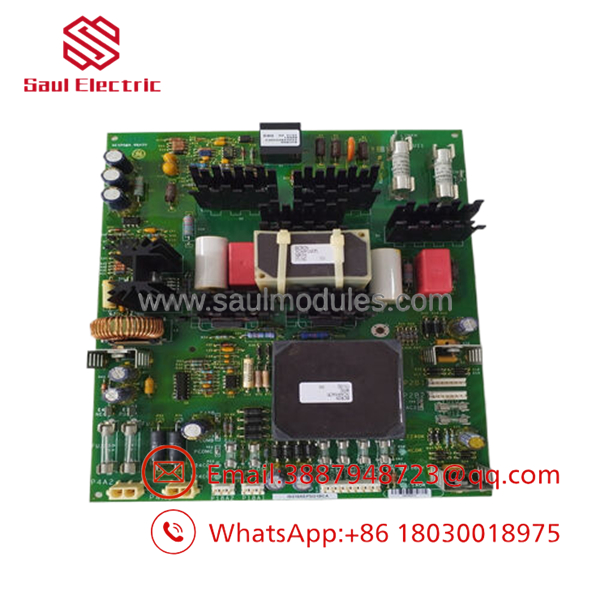
- IS210AEPSG1BCA
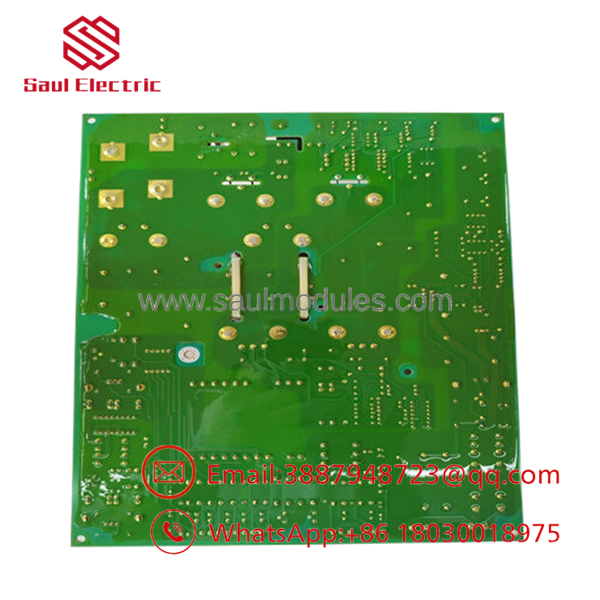
- IS210AEPSG1BCA
Frequently Asked Questions (FAQ)
What specific purpose does the “AEPS” acronym point to in GE wind setups?
AEPS stands for Alternative Energy Power Supply. Within the Mark VIe wind turbine control topology, this board operates as a specialized internal voltage regulator and distribution card, converting raw incoming cabinet supply lines into clean, conditioned, and isolated DC power tracks for adjacent control and communication hardware.
My replacement part shows a suffix of “G1BCA,” but my original layout documents just say “G1B.” Are they compatible?
Yes. The base string G1B identifies the primary group and functional hardware configuration of the board design. The expanded suffix BCA tracks later-stage factory component adjustments, production tracking logs, or minor optimization rollouts. A G1BCA card serves as a direct drop-in replacement for older G1B versions within the same turbine control node.
Why is conformal coating mandatory for the IS210AEPSG1BCA board?
Wind turbine nacelles encounter some of the harshest environments in the industrial sector, including high humidity, rapid condensation cycles, salt air in offshore farms, and conductive carbon dust from generator brush friction. The factory-applied conformal coating seals the components on the board, preventing these airborne contaminants from bridging traces and causing short circuits.
Does this power supply board require custom software configuration or firmware flashing?
No. The AEPS board functions as a physical hardware conditioning and power distribution card rather than an application-layer processor. It does not contain field-programmable logic files that require custom software tools. Once the physical jumpers are matched to the old card’s layout and the wiring lines are safely landed, it operates plug-and-play.
Since active production has moved to newer control iterations, what is the status of this stock?
This item is available as a verified New Original / New Surplus component sourced from climate-controlled wind utility spare parts pools, distributor overstock, and canceled infrastructure project reserves. Because factory production of these legacy generations has ceased, they are increasingly difficult to obtain via standard distribution channels. We run every board through strict physical inspections and component continuity tests to ensure full out-of-the-box reliability, and back each unit with our complete 1-year independent warranty.

 Start Chat


