





Description
Key Technical Specifications
| Parameter | Value |
|---|---|
| Manufacturer | GE (General Electric) |
| Model | IS215UCVEM08B |
| Product Type | US2000 Processor Board |
| Series | Mark VI Speedtronic |
| Processor | Intel Celeron 300 MHz |
| Operating System | QNX Real-Time Operating System |
| System Bus | VME64 |
| Communication Interfaces | IONet, Ethernet, Profibus (configuration dependent) |
| Serial Interfaces | RS-232 / RS-422 |
| Supply Voltage | +5 V DC (backplane) |
| Typical Power Consumption | Approximately 15 W |
| Operating Temperature | -30 °C to +65 °C |
| Mounting | Single-slot VME Rack |
| Typical Applications | Gas Turbine, Steam Turbine, Generator Control |
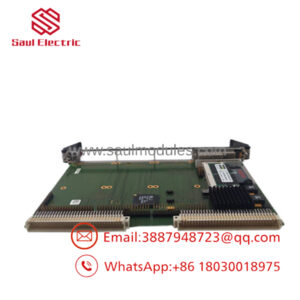
The IS215UCVEM08B is a US2000 Processor Board designed for the GE Mark VI turbine control platform. Interface availability may vary depending on firmware and system configuration. Always verify the complete part number and hardware revision before installation.
Product Introduction
The GE IS215UCVEM08B is a US2000 Processor Board used in the GE Mark VI Speedtronic turbine control system. It executes real-time control logic, manages communications with distributed I/O, and coordinates turbine sequencing, monitoring, and protection functions for critical rotating equipment.
Built around an Intel Celeron 300 MHz processor running the QNX real-time operating system, the module supports deterministic control performance through the VME64 architecture while providing Ethernet and industrial communication interfaces for engineering access and plant integration. It is widely deployed in gas turbine, steam turbine, and generator control applications.
Troubleshooting Quick Reference
| Symptom | Possible Cause | Relevance to this Part | Quick Check Method | Recommendation |
|---|---|---|---|---|
| Controller does not boot | Missing +5 V backplane power | ✅ High | Measure +5 V DC at the VME backplane | Verify rack power before replacing the processor |
| Processor offline | Poor VME connector contact | ✅ High | Remove and reseat the module, inspect edge connectors | Clean contacts and retest |
| Ethernet communication lost | Network configuration or cable fault | ✅ High | Verify Link/Activity LEDs and test network cable | Check IP settings and network hardware |
| Continuous watchdog reset | Firmware corruption or unstable power | ✅ High | Review diagnostic logs and monitor power supply stability | Verify firmware compatibility before replacement |
| I/O communication failure | IONet or fieldbus configuration issue | ⚠️ Medium | Check network diagnostics and controller status | Confirm network configuration and fieldbus health |
| Intermittent controller alarms | Cabinet overheating or power fluctuations | ⚠️ Medium | Measure cabinet temperature and power quality | Improve cooling and stabilize power supply |
Field Tip: Processor boards are often replaced when the actual fault lies in the power supply, VME backplane, or network configuration. Before replacing the IS215UCVEM08B, back up the controller configuration, record the firmware revision, inspect the VME connectors, and verify stable rack power. These checks can eliminate unnecessary hardware replacement.
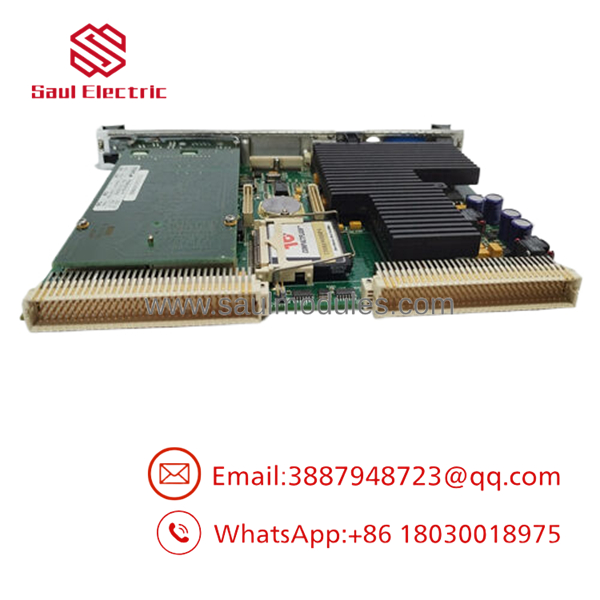
- IS215UCVEM08B
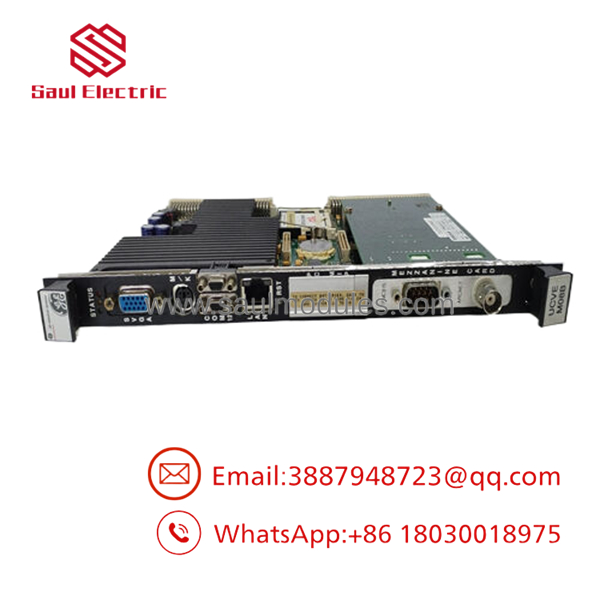
- IS215UCVEM08B
Frequently Asked Questions (FAQ)
Q1. What is the primary function of the ?
The is the main processing module for GE Mark VI control systems. It executes turbine control algorithms, manages I/O communications, and supports real-time monitoring and protection.
Q2. Which operating system does this processor use?
The module runs the QNX Real-Time Operating System (RTOS), providing deterministic processing for critical industrial control applications.
Q3. What communication interfaces are available?
Depending on the hardware configuration, the controller supports IONet, Ethernet, Profibus, and RS-232/RS-422 serial communications for system integration and engineering access.
Q4. Can the be replaced while the system is energized?
No. The module is not hot-swappable. Always shut down the control cabinet, follow lockout/tagout procedures, and use proper ESD protection before installation.
Q5. Is this product supplied as new or refurbished?
This listing refers to New Original (New Surplus) inventory unless otherwise specified. Every unit should complete identification verification, power-on testing, communication verification, and ESD-safe packaging before shipment.
Q6. What quality inspections should be completed before shipment?
A recommended inspection process includes:
- OEM part number and serial number verification
- Anti-counterfeit and traceability inspection
- Visual inspection for damaged components or repair marks
- Power-on verification in a compatible Mark VI VME rack
- Ethernet and communication interface testing
- Diagnostic LED verification
- Final anti-static packaging with QC documentation
Test reports and inspection photographs should be available upon request.
Q7. What is the most common installation mistake?
The most common issue is replacing the processor without backing up the existing control configuration or confirming the firmware revision. Before removing the original module, save the controller configuration, document all network settings, and label every cable connection. These precautions significantly reduce commissioning time and prevent communication issues after startup.

 Start Chat


