





Description
Key Technical Specifications
| Parameter | Value |
|---|---|
| Manufacturer | GE Multilin (General Electric) |
| Model | MLJ1005B010H00C |
| Product Type | Digital Synchronism Check Relay |
| Series | MLJ Synchronism Check Relay |
| Primary Function | Synchronism Check Before Breaker Closing |
| System Frequency | 50/60 Hz Selectable |
| Voltage Input Range | 63–220 V AC |
| Maximum Continuous Voltage | 440 V AC |
| Phase Angle Setting | 0°–360° (1° resolution) |
| Frequency Slip Setting | 0.00–0.05 Hz |
| Voltage Difference Setting | ±9 V (0.5 V increments) |
| Auxiliary Power | 24–48 VDC, 48–125 VDC, or 110–250 VDC (order-code dependent) |
| Communications | RS-232, RS-485, Optional Fiber Optic |
| Operating Temperature | −25 °C to +55 °C |
| Typical Applications | Generator Synchronization, Bus Transfer, Automatic Reclosing |
*The MLJ1005B010H00C is a digital synchronism check relay that verifies voltage magnitude, frequency slip, and phase-angle differences before permitting circuit breaker closure. Exact auxiliary power and communication options depend on the complete ordering code.
Product Introduction
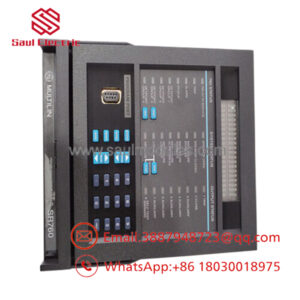
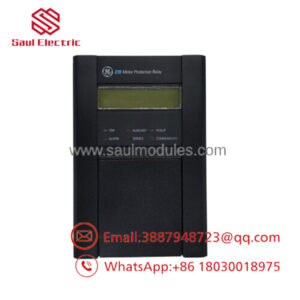
The GE MLJ1005B010H00C is a Digital Synchronism Check Relay designed to ensure that two AC power systems are synchronized before a circuit breaker closes. It continuously compares bus voltage, generator voltage, frequency slip, and phase angle to prevent out-of-phase switching that can damage generators, transformers, and switchgear.
The relay is widely installed in utility substations, power plants, industrial cogeneration facilities, and large motor applications. Its programmable synchronizing limits, serial communications, and configurable outputs make it suitable for both automatic synchronizing systems and operator-assisted breaker closing.
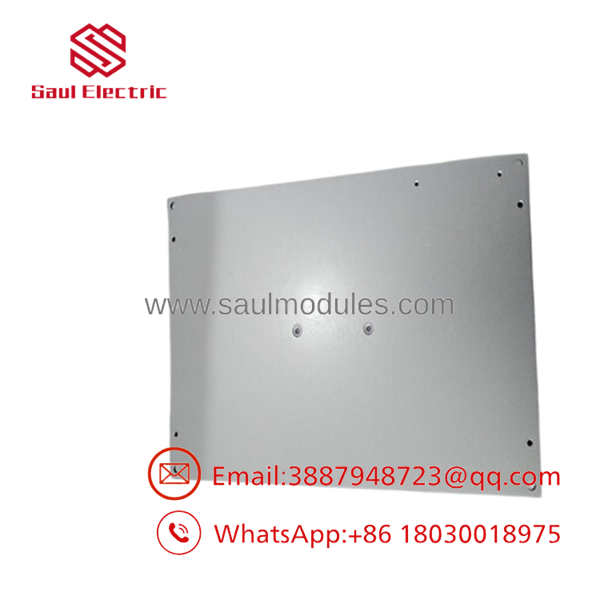
- MLJ1005B010H00C
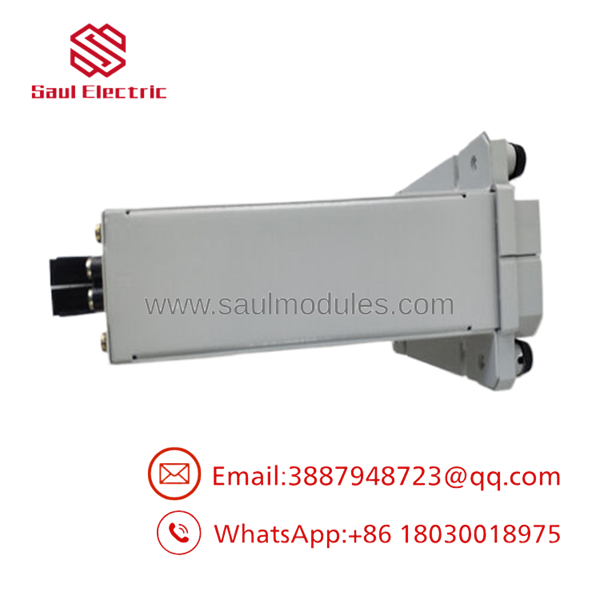
- MLJ1005B010H00C
Troubleshooting Quick Reference
| Symptom | Possible Cause | Relevance to this Part | Quick Check Method | Recommendation |
|---|---|---|---|---|
| Synchronism check never permits breaker closing | Voltage, phase angle, or frequency outside limits | ✅ High | Compare live bus and generator measurements | Verify synchronizing conditions before replacing relay |
| Relay display remains blank | Auxiliary power missing | ✅ High | Measure auxiliary supply voltage at relay terminals | Restore control power first |
| Continuous “Out of Sync” indication | PT wiring error or incorrect settings | ✅ High | Verify PT polarity and voltage inputs | Correct wiring and settings |
| Breaker closes at incorrect timing | Incorrect synchronism parameters | ✅ High | Review phase-angle and slip-frequency settings | Restore OEM configuration |
| SCADA communication failure | RS-485 configuration or cable fault | ⚠️ Medium | Verify Modbus address, baud rate, and wiring | Correct communication settings |
| Relay self-test alarm | Internal hardware failure | ✅ High | Review diagnostic menu and event records | Replace relay only after confirming stable power |
Field Tip: Most synchronizing problems originate from potential transformer wiring, incorrect synchronizing settings, or governor/AVR instability rather than relay failure. Before replacing the MLJ1005B010H00C, save the existing settings, verify PT polarity, and confirm generator voltage and frequency stability. These checks typically resolve the issue without replacing the relay.
Frequently Asked Questions (FAQ)
Q1. What is the primary function of the ?
The verifies that voltage magnitude, frequency, and phase angle between two AC systems are within acceptable limits before allowing a circuit breaker to close. This prevents damaging out-of-phase synchronization.
Q2. Which applications commonly use this relay?
The relay is commonly installed for:
- Generator-to-grid synchronization
- Bus-to-bus synchronization
- Automatic transfer schemes
- Automatic reclosing systems
- Industrial power generation and utility substations
Q3. What electrical parameters does the relay monitor?
The MLJ relay continuously measures:
- Bus voltage
- Generator voltage
- Voltage difference
- Phase-angle difference
- Frequency slip
Only when all values are within configured limits will the relay issue a breaker closing permission.
Q4. Is the relay suitable for both 50 Hz and 60 Hz systems?
Yes. The MLJ series supports 50 Hz or 60 Hz operation, depending on the configured settings and application.
Q5. Is this product supplied as new or refurbished?
Unless otherwise specified, this listing refers to New Original (New Surplus) inventory. Every relay should undergo visual inspection, power-on verification, communication testing, functional synchronization simulation, and ESD-safe packaging before shipment.
Q6. What quality inspections should be completed before shipment?
A recommended inspection includes:
- OEM part number and serial number verification
- Anti-counterfeit and traceability inspection
- Visual inspection for corrosion or repair marks
- Auxiliary power verification
- Voltage input simulation
- Synchronism function testing
- Communication port verification
- Final anti-static packaging with QC documentation
Test reports and inspection photographs should be available upon request.
Q7. What is the most common installation mistake?
The most common mistake is reconnecting the potential transformer (PT) inputs with incorrect polarity or phase sequence, or copying the relay without transferring the original synchronizing settings. Before replacing the relay, back up all configuration parameters, verify PT wiring, and confirm the configured voltage, frequency-slip, and phase-angle limits. These precautions significantly reduce commissioning time and prevent false synchronizing failures.

 Start Chat


