





Description
Key Technical Specifications
| Parameter | Value |
|---|---|
| Brand | GE |
| Model | UR8NH |
| Series | Multilin UR Series |
| Product Type | CT/VT module |
| Primary Function | Current and voltage input sensing |
| Channel Count | 8 channels |
| CT Input Rating | 1 A / 5 A secondary |
| Application | Protection, metering, and monitoring |
| Compatibility | GE Multilin UR universal relay platforms |
| Lifecycle Status | Obsolete / EOL |
| Condition | New Surplus, original OEM inventory |
| Procurement Priority | High for relay fleet support |
Product Introduction & Supply Chain Strategy
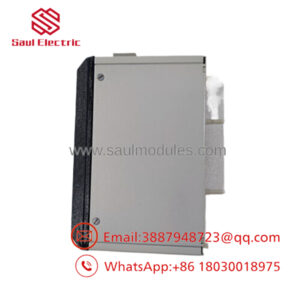
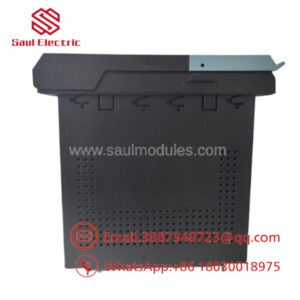
GE UR8NH is a CT/VT input module used with GE Multilin UR universal relays. It provides the current and voltage sensing interface needed for protection, metering, and control functions in industrial power systems.
Buying it as New Surplus is the safest supply-chain approach when the relay family is still in service but the part is hard to source. It reduces Total Cost of Ownership, protects against lead time variability, and lowers the risk of stock-outs on a critical relay accessory.
Installation & Configuration Guide
Stage 1: Pre-Installation
Perform lock-out/tag-out before opening the relay cubicle. Use an ESD strap, insulated tools, and a camera to record the original module location, connector orientation, and relay settings. Confirm the exact UR platform and slot assignment before proceeding.
Stage 2: Removal
Power down the relay and verify it is de-energized. Remove the module straight out of the chassis without twisting or rocking it. Inspect the connector pins and module guide rails for damage, dirt, or oxidation.
Stage 3: Installation
Insert the UR8NH into the correct slot and seat it evenly. Make sure the module is fully latched and aligned before restoring power. Verify that the relay configuration recognizes the module and that any CT/VT settings match the intended application.
Stage 4: Power-On & Testing
Restore power and check the relay status indicators. Confirm that the module is detected, that measurement values are reasonable, and that no diagnostic alarms are present. Test protection logic, metering, and communications before returning the asset to service.
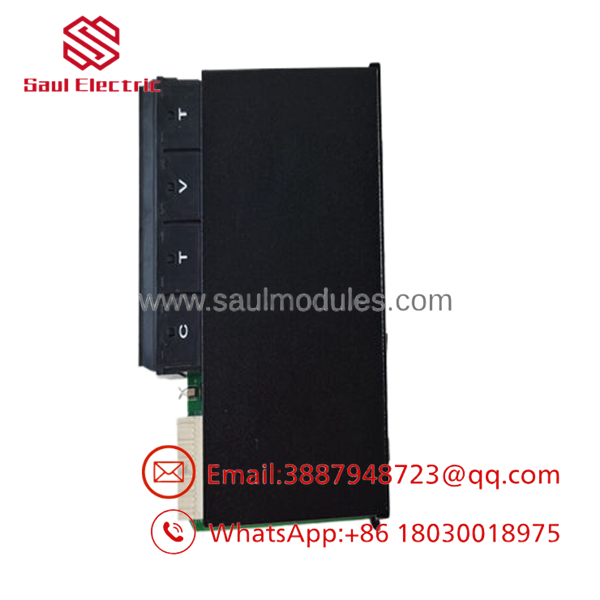
- UR8NH
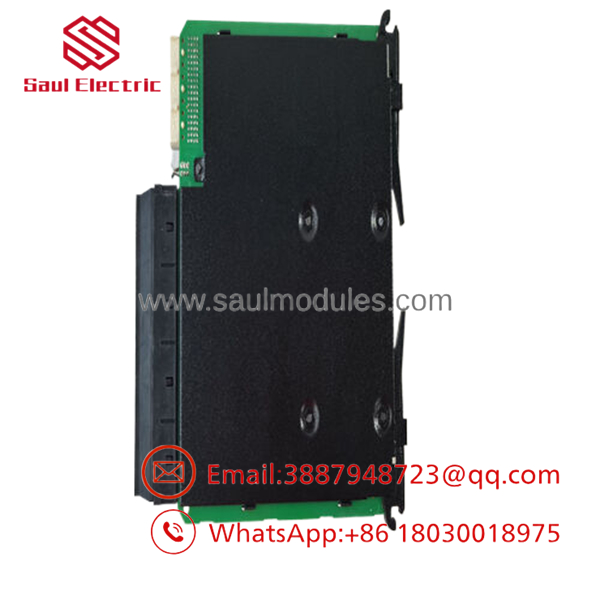
- UR8NH
Firmware/Software Versions & Upgrade Notes
The UR platform firmware should match the site standard before you swap the module. Version mismatch can affect diagnostics, module recognition, and communication behavior.
Avoid firmware upgrades or downgrades during the hardware change unless the maintenance plan explicitly requires it. The lowest-risk method is to preserve the existing relay configuration and change only the hardware that has failed.
Frequently Asked Questions
Q: Is this really New Surplus?
Yes, the preferred procurement position is New Surplus original inventory. That gives you OEM-origin hardware without the reliability uncertainty of repaired stock.
Q: Why is it cheaper than factory new but still more expensive than questionable supply?
Because New Surplus comes from excess inventory, not from repair or salvage channels. It usually costs less than factory list pricing, while still preserving traceability and better reliability.
Q: Is UR8NH obsolete?
It should be treated as an EOL or at-risk spare for planning purposes. If the relay family is critical, keep buffer stock and consider a last-time-buy strategy.
Q: Can I hot-swap this module?
Do not assume hot-swap support unless the specific relay manual explicitly allows it. For protection hardware, controlled shutdown is the safer choice.
Q: Will configuration be retained after replacement?
Not automatically. Always back up the relay settings and record the installed module arrangement before removal.
Q: What warranty should I expect?
Warranty depends on supplier traceability and condition documentation, but New Surplus typically carries stronger terms than repaired inventory. The most important point is verifiable serial data and QC records.
Q: How should I stock it?
For critical relay fleets, keep 1–2 units on-site as buffer stock. For slower-moving sites, use cross-site sharing, vendor consolidation, or consignment to protect capital.

 Start Chat


