





Description
Key Technical Specifications
| Parameter | Value |
|---|---|
| Manufacturer | Motorola / GE Fanuc |
| Model | VME162PA-344SE-2G |
| Product Type | VMEbus Single Board Computer |
| Series | MVME162PA |
| Processor | Motorola MC68040, 32 MHz with integrated FPU |
| Memory | 16 MB ECC SDRAM |
| SRAM | 512 KB Battery-Backed SRAM |
| Form Factor | 6U VMEbus |
| Expansion | 2 IndustryPack (IP) Interfaces |
| Ethernet | Integrated 10BASE-T Ethernet |
| Storage Interface | SCSI |
| VMEbus Support | A16 / A24 / A32 Addressing, D8 / D16 / D32 Transfers |
| Operating Temperature | 0 °C to +70 °C |
| Typical Applications | Industrial Automation, Defense Systems, Test Equipment, Embedded Control |
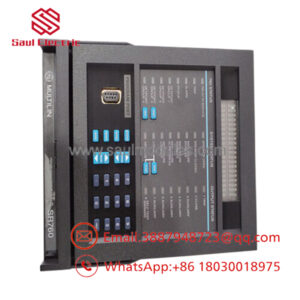
The VME162PA-344SE-2G is based on the Motorola MVME162PA-344SE architecture and features a 32 MHz MC68040 processor, 16 MB ECC SDRAM, battery-backed SRAM, integrated Ethernet, SCSI, and dual IndustryPack interfaces for modular expansion.
Product Introduction
The GE VME162PA-344SE-2G is a rugged 6U VMEbus embedded processor board derived from the Motorola MVME162PA family. It combines a 32-bit Motorola MC68040 processor with ECC-protected memory and integrated communications to deliver deterministic performance for demanding industrial and embedded control applications. The board is widely used in legacy automation systems, military electronics, transportation, and scientific instrumentation.
The module integrates SCSI, Ethernet, and IndustryPack expansion while supporting standard VMEbus architectures, making it suitable for real-time operating systems such as VxWorks and OS-9. Its modular design allows system integrators to add application-specific I/O while maintaining long-term platform reliability.
Troubleshooting Quick Reference
| Symptom | Possible Cause | Relevance | Quick Check | Recommendation |
|---|---|---|---|---|
| Board does not boot | Missing VME backplane power | ✅ High | Measure +5 V and ±12 V supply rails | Verify chassis power before replacing the board |
| No Ethernet communication | Network cable or interface fault | ✅ High | Check Ethernet link LEDs and network settings | Verify cable and interface configuration |
| SCSI device not detected | SCSI termination or cable issue | ✅ High | Inspect SCSI ID and termination | Correct SCSI configuration |
| Memory errors | Faulty SDRAM or memory corruption | ✅ High | Run board diagnostics | Verify memory integrity |
| VMEbus communication failure | Backplane connector or slot issue | ✅ High | Inspect VME connectors and slot assignment | Reseat the board and verify backplane operation |
| Unexpected watchdog reset | Software or power instability | ⚠️ Medium | Review system logs and monitor supply voltage | Check RTOS configuration and power quality |
Field Tip: Most MVME162PA failures are caused by VME backplane power issues, aging electrolytic capacitors, SCSI configuration problems, or connector oxidation rather than CPU failure. Before replacing the VME162PA-344SE-2G, verify the chassis power rails, inspect VME connectors, confirm SCSI termination, and review boot diagnostics.
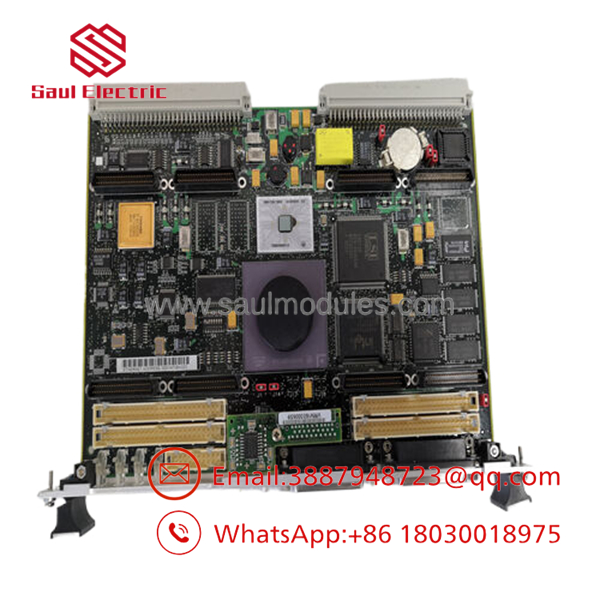
- VME162PA-344SE-2G
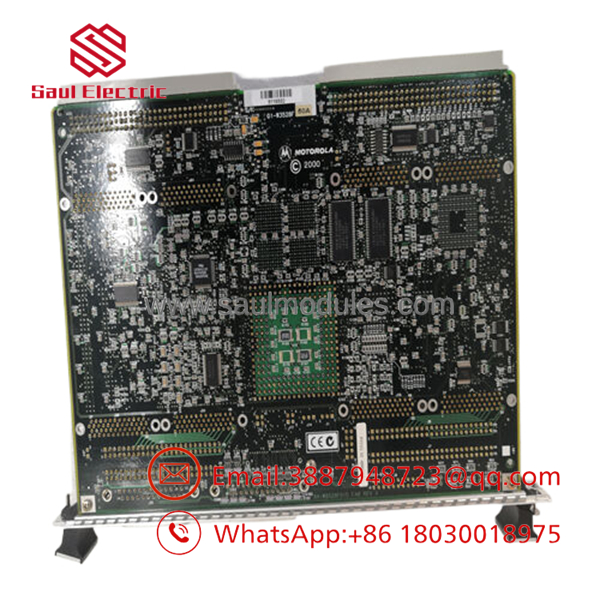
- VME162PA-344SE-2G
Frequently Asked Questions (FAQ)
Q1. What is the primary function of the ?
The is a 6U VMEbus embedded processor board designed for industrial control, embedded computing, data acquisition, and real-time automation systems. It serves as the central processing unit within VMEbus-based platforms.
Q2. Which processor is used on this board?
The board uses a Motorola MC68040 32 MHz microprocessor with an integrated floating-point unit (FPU), providing 32-bit processing for demanding embedded applications.
Q3. What communication interfaces are included?
The includes:
- Integrated Ethernet
- SCSI interface
- VMEbus interface
- Dual IndustryPack (IP) expansion ports
- Serial communication interfaces
These features support a wide range of industrial and embedded applications.
Q4. Which operating systems are supported?
The board supports several embedded operating systems, including VxWorks, OS-9, and other Motorola 68040-compatible real-time operating systems.
Q5. Is this product supplied as new or refurbished?
Unless otherwise specified, this listing refers to New Original (New Surplus) inventory. Each unit should undergo visual inspection, power-on verification, memory diagnostics, interface testing, and ESD-safe packaging before shipment.
Q6. What quality inspections should be completed before shipment?
Recommended quality inspections include:
- OEM model number verification
- Visual PCB and connector inspection
- Power-on and boot verification
- Memory diagnostics
- Ethernet communication testing
- SCSI interface verification
- VMEbus connector inspection
- Anti-static packaging with QC documentation
Q7. What is the most common installation mistake?
The most common issue is installing the board in a system with incorrect VME slot configuration, SCSI termination, or backplane compatibility. Before replacement, verify the complete part number, inspect the VME backplane, confirm the required firmware and RTOS version, and ensure all external devices are configured correctly. These checks help reduce commissioning time and improve long-term system reliability.

 Start Chat


