





Description
Key Technical Specifications
| Parameter | Value |
|---|---|
| Manufacturer | GE Intelligent Platforms / VMIC |
| Model | VMIVME-7698-345 / 350-017698-345 B |
| Product Type | VME/VME64 Single Board Computer |
| Processor | Intel Celeron 366 MHz (Socket 370) |
| System Memory | 64 MB SDRAM |
| Flash Storage | 64 MB Flash Card |
| Bus Interface | ANSI/IEEE VME64 |
| Ethernet | Integrated 10/100Base-T Fast Ethernet |
| Serial Ports | Two 16550-compatible serial ports |
| Keyboard/Mouse | PS/2 Interface |
| BIOS | Flash Programmable BIOS |
| Form Factor | Single-slot VME SBC |
| Supported Operating Systems | Windows NT, Windows 2000, Linux, VxWorks, QNX, Solaris |
Product Introduction & Supply Chain Strategy
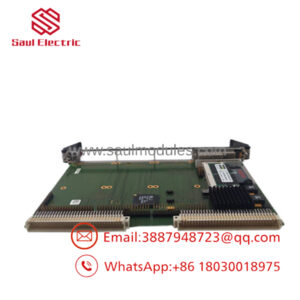
The GE VMIVME-7698-345 is a VME64 single board computer designed for embedded industrial control, defense systems, test equipment, and legacy automation platforms requiring reliable processor performance and long service life. It combines an Intel Celeron processor with integrated networking and standard VMEbus connectivity.
This product is a Brand New Surplus unit. It is not used, not pulled from a decommissioned plant, and not refurbished. All modules undergo rigorous quality verification to ensure OEM-level reliability. Because the VMIVME-7698 platform is approaching the later stage of its lifecycle, maintaining 1–2 units of buffer stock, monitoring lead time variability, and planning a last-time-buy strategy reduce Total Cost of Ownership (TCO) and eliminate the uncertainty associated with refurbished hardware.
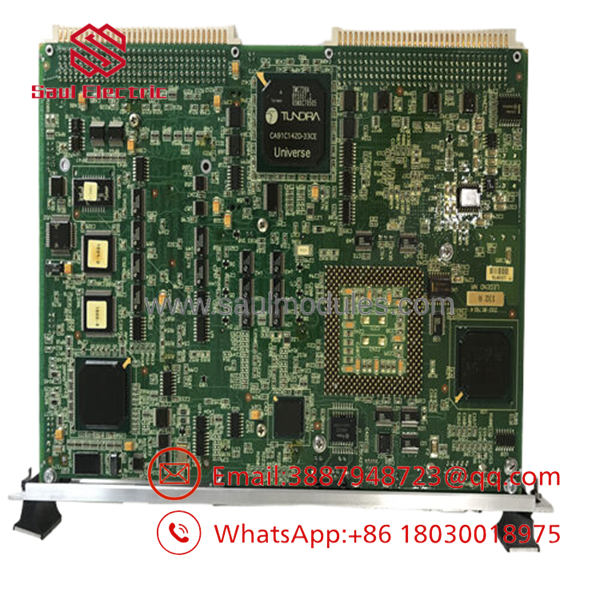
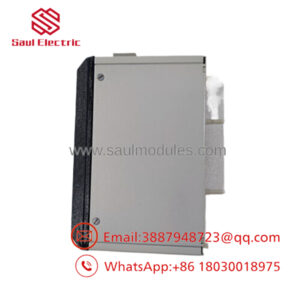
- VMIVME-7698-345 350-017698-345 B
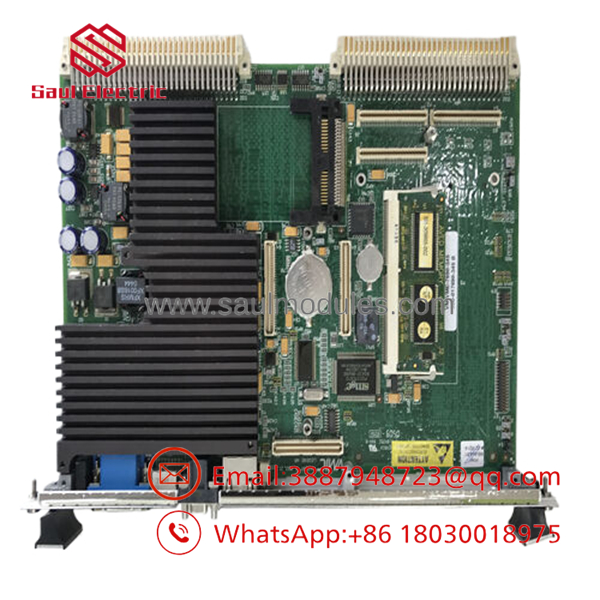
- VMIVME-7698-345 350-017698-345 B
Installation & Configuration Guide
Stage 1: Pre-Installation (Prep & Safety)
- Apply Lock-Out/Tag-Out (LOTO).
- Shut down the VME chassis completely.
- Wear a grounded ESD wrist strap.
- Photograph:
- DIP switch positions
- Jumper settings
- Front-panel cable connections
- VME slot location
- Record:
- BIOS revision
- Operating system version
- Network configuration
- Boot device settings
Stage 2: Removal
- Disconnect all front-panel I/O cables.
- Release both ejector handles evenly.
- Remove the board straight from the card guides.
- Inspect the VME connector for bent pins or contamination.
Stage 3: Installation (Clone & Seat)
- Duplicate every jumper and BIOS configuration.
- Install the replacement board into the identical VME slot.
- Lock both ejector handles firmly.
- Reconnect Ethernet, serial, keyboard, and storage interfaces.
- Verify adequate chassis airflow around the processor.
Stage 4: Power-On & Testing
- Verify all VME power rails before startup.
- Confirm successful POST diagnostics.
- Verify BIOS detects installed memory and flash storage.
- Confirm Ethernet communication.
- Boot the operating system.
- Verify application software, VME communication, and peripheral devices before returning the system to service.
Firmware/Software Versions & Upgrade Notes
- Record the existing BIOS and firmware versions before replacing the board.
- Install the same BIOS revision whenever practical to maintain compatibility with legacy operating systems and application software.
- Verify compatibility between the SBC BIOS, VME drivers, and the operating system before introducing newer firmware.
- Upgrading BIOS during emergency replacement may affect boot order, peripheral initialization, or legacy VME driver support.
- Downgrading BIOS without validating hardware revisions may disable support for newer flash media or peripherals.
- Maintain backups of BIOS settings, boot configuration, network parameters, and application images for rapid disaster recovery.
Frequently Asked Questions (FAQ)
Q1. Is this board genuinely new?
Yes. This is a New Original / New Surplus unit. It is not used, repaired, or refurbished. Every board undergoes OEM serial verification, functional testing, electrical inspection, firmware documentation, and ESD-safe packaging before shipment.
Q2. Why is New Surplus priced above refurbished boards but below OEM factory pricing?
Our pricing reflects the cost of sourcing genuine New Surplus inventory worldwide. While typically 20–30% higher than refurbished products, it avoids hidden component aging, prior operating stress, capacitor degradation, and uncertain repair history that can lead to expensive production downtime.
Q3. Is the VMIVME-7698-345 obsolete?
Yes. This is a mature legacy VME computing platform with increasingly limited global availability. Plants operating these systems should maintain 1–2 spare boards on-site, consolidate approved suppliers, and evaluate a last-time-buy before remaining inventory becomes difficult to obtain.
Q4. Can this board be hot-swapped?
No. Hot-swapping is not recommended. Always power down the VME chassis according to plant maintenance procedures before removing or installing the processor board to prevent backplane damage or file system corruption.
Q5. Will replacing the board erase my application software?
Application software generally resides on local storage or network media, but BIOS settings, operating system configuration, boot parameters, and hardware resources should be documented before replacement to ensure a successful restart.
Q6. What quality verification is completed before shipment?
Every New Surplus unit follows a documented SOP including:
- OEM serial number verification
- Anti-counterfeit inspection
- Power-on diagnostics
- Memory verification
- Ethernet communication testing
- BIOS documentation
- Electrical inspection
- QC inspector approval
- ESD-safe packaging
- Heavy-duty export shipping preparation
Q7. What inventory strategy provides the lowest Total Cost of Ownership (TCO)?
For facilities operating legacy VME systems, maintain 1–2 on-site spare SBCs as insurance against unexpected failures. Combine buffer stock with vendor consolidation, lifecycle monitoring, cross-site inventory sharing, and planned last-time-buy purchases to reduce lead time variability, prevent stock-outs, and lower long-term Total Cost of Ownership (TCO).

 Start Chat


