





Description
Product Introduction
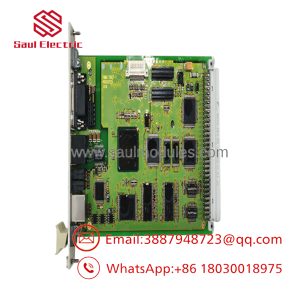
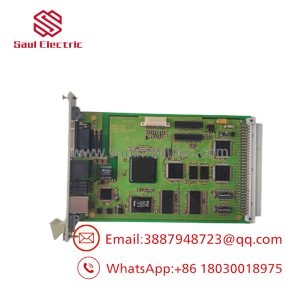
The HIMA F8650X (984865065) is a high-performance Ethernet communication interface card built for the HIMax safety system platform. Deployed in mission-critical Safety Instrumented Systems (SIS), Emergency Shutdown (ESD), and Fire & Gas (F&G) applications, it provides the deterministic, high-throughput network backbone required to link multiple HIMax safety racks together, integrate with distributed control systems (DCS), and communicate with SILWorX engineering workstations.
Engineered to satisfy Safety Integrity Level 3 (SIL 3) requirements under IEC 61508 and IEC 61511, the F8650X offloads all network protocol management from the central processing unit (such as the F3503). Running HIMA’s dedicated safeethernet protocol alongside standard industrial networking stacks (including OPC UA, Modbus TCP, and SNTP time synchronization), this module ensures robust, jitter-free safety data exchange without impacting overall controller scan times or logic execution cycles.
Key Technical Specifications
| Parameter | Value |
| Module Model / Part Number | F8650X / 984865065 |
| System Architecture | HIMA HIMax Safety Platform |
| Safety Integrity Rating | Up to SIL 3 (IEC 61508 / IEC 61511), PLe (EN ISO 13849-1) |
| Supported Protocols | safeethernet, OPC UA, Modbus TCP (Master/Slave), SNTP |
| Network Interfaces | 2x Ethernet ports (RJ45 / SFP optical interface depending on sub-module configuration) |
| Transmission Speed | 100/1000 Mbps full-duplex |
| Power Dissipation | ~12.5 W maximum |
| Operating Temperature | 0°C to +60°C (32°F to 140°F) |
| Diagnostics & Display | Multi-line front LED panel for system status and port link/activity indicators |
| Rack Slot Assignment | Dedicated communication slot in HIMax base racks (F 0001/F 0002) |
Application Scenarios & The “Trench” Experience
In a distributed petrochemical facility, a loss of communication between safety racks triggers immediate fallback states—often leading to spurious trips, costly flare flaring events, or uncoordinated emergency shutdowns. In high-speed safety architectures, communication hardware must maintain unbroken, deterministic peer-to-peer heartbeats across all operating conditions.
- Refinery Tank Farms & Offsites – Peer-to-Peer Inter-Rack Safety Loops – Executing peer-to-peer safeethernet communication across geographically isolated safety racks over long-distance fiber optic links.
- LNG Import/Export Terminals – DCS-to-SIS Interface Gateway – Streaming real-time safety diagnostic telemetry and valve state data to central control room DCS operators via OPC UA or Modbus TCP.
- Chemical Synthesis Facilities – Cross-Rack Emergency Shutdown Interlocks – Transmitting trip signals between reactor control racks within millisecond-level execution windows.
- Power Generation Facilities – System-Wide Time Synchronization – Leveraging SNTP across the F8650X to synchronize sequence-of-events (SOE) timestamps across all plant safety systems with sub-millisecond precision.
Field Case Study: Emergency Swap at a Texas Chemical Complex
During a severe electrical storm, an induced surge damaged the Ethernet transceiver layer on a legacy communication module linking a primary HIMax ESD rack to an auxiliary boiler trip panel. The loss of the peer-to-peer safeethernet link generated immediate system-wide fault alarms, putting the plant on the verge of a full unit trip. Maintenance personnel sourced a pre-tested HIMA F8650X (984865065) module from surplus inventory. Technicians performed an online hot-swap on the powered HIMax rack. The new module powered up, accepted the safeethernet configuration directly from the active central CPU, and re-established full SIL 3 network redundancy within 15 minutes—saving an estimated $280,000 in unscheduled shutdown and restarting costs.
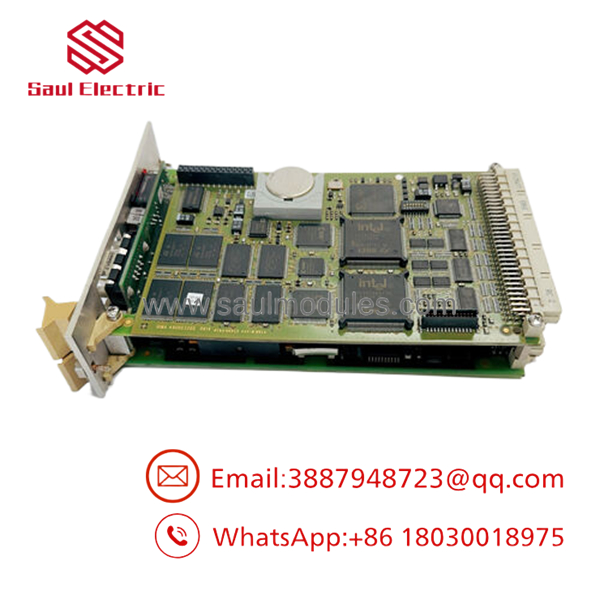
F8650X 984865065
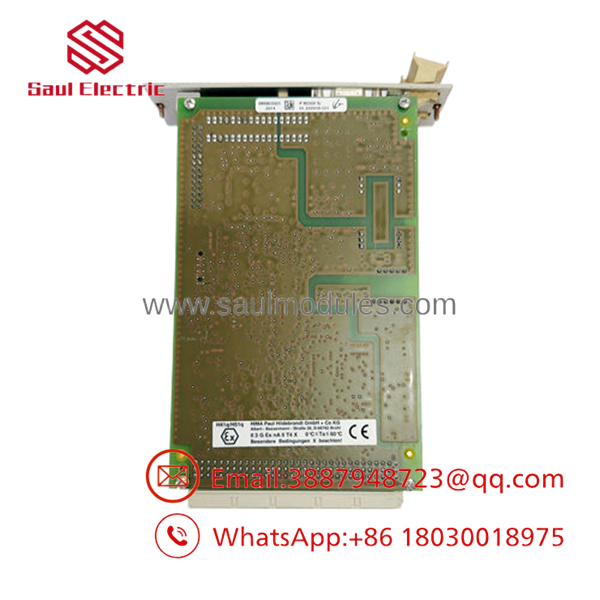
F8650X 984865065
Transparency SOP: Quality Assurance & Testing
We don’t just ship boxes; we test them on live HIMA HIMax racks running actual network traffic loads.
- Inbound Mechanical & Anti-Counterfeit Inspection: Comprehensive check of front panel locking levers, backplane edge connectors, housing integrity, and original HIMA 984865065 part label authenticity.
- Backplane Power-On Self-Test (POST): Mounting the module in an energized HIMax rack backplane to confirm internal power regulation, boot sequence, and LED initialization.
- Multi-Port Traffic & Bandwidth Stress Test: Transmitting continuous full-duplex packet bursts across both Ethernet interfaces at 100/1000 Mbps to verify physical layer stability and zero frame drops.
- safeethernet Protocol Validation: Establishing a peer-to-peer safeethernet link between two test racks using SILWorX software to confirm zero packet latency and proper timeout handling.
- Firmware Integrity & OS Verification: Interrogating the module via SILWorX diagnostics to verify internal software builds and clear residual event logs.
- Anti-Static ESD Packaging: Enclosing the verified module in heavy static-shielding bags with fresh moisture desiccant prior to padded dispatch.
The Veteran’s Tech Trap Guide (Crucial Value-Add)
- ⚠️ Pre-Configure IP Settings Before Live Insertion: The F8650X relies on the IP network configuration defined in your SILWorX project. If you insert a replacement module without allowing the central CPU to push its IP configuration, or if the subnet parameters are mismatched, the card will hang in a “WAIT COM” state and fail to join the network.
- ❗ Keep Safe and Non-Safe Network Traffic Segregated: Always isolate your SIL 3 safeethernet peer-to-peer traffic on separate VLANs or dedicated physical switches away from general plant Modbus TCP or SCADA polling. Overloading the port buffers with non-critical traffic can cause transient safeethernet heartbeat timeouts.
- ⚠️ Verify System Firmware / OS Matrix: Ensure the firmware revision loaded on the is compatible with your central processor (F3503) and SILWorX project software version. Incompatible communication firmware can prevent the module from completing its startup handshake during redundant operation.
- ❗ Inspect Optical Fiber Connectors (SFP Models): If using fiber SFP transceivers on the for long-distance runs, clean all optical cable faces with a fiber pen before mating. Contaminated fiber faces are the single primary cause of intermittent link drops and CRC framing errors on safeethernet loops.
Frequently Asked Questions (FAQ for Conversion)
Q: What is the relationship between model and part number 984865065?
A: “” is the functional model designation for the HIMax communication module, while “984865065” is HIMA’s specific internal order/part number for the exact hardware assembly. They refer to the exact same physical component.
Q: Is the HIMA hot-swappable on a running HIMax rack?
A: Yes. In a redundant HIMax network setup, you can remove and insert the module while the rack is powered without interrupting active safety logic execution or dropping the secondary communication path.
Q: Does the support standard industrial protocols like Modbus TCP?
A: Yes. The module concurrently handles standard non-safety industrial protocols (such as Modbus TCP Master/Slave and OPC UA) for DCS/SCADA integration alongside its safety-critical safeethernet traffic.
Q: What condition are these units shipped in?
A: We stock both Factory Sealed New Surplus and fully bench-tested Clean Refurbished units. Every module undergoes multi-port traffic and safeethernet validation on our HIMax test rig before entering ship-ready inventory.
Q: What warranty is provided with this module?
A: All HIMA 984865065 modules include a full 12-month replacement warranty starting from the date of invoice.

 Start Chat


