





Description
Product Introduction
The Honeywell 2106B1110 is a fixed-point gas transmitter from the established Sensepoint XCD series designed for dangerous hazardous locations. Engineered with an LM25 aluminum alloy housing rated IP66/67 and certified Explosion-Proof / Flameproof (ATEX/IECEx/UL/cUL), this unit continuously monitors ambient air for flammable gas leaks in the 0–100% LEL range using a catalytic bead sensor socket.
Featuring a tricolor backlit LCD display, the 2106B1110 provides local visual indication of system status—green for normal operation, yellow for fault/warning, and flashing red for alarm conditions—visible even from a distance. Its standard configuration delivers a 4-20mA analog output with Modbus RTU RS485 telemetry and three programmable internal relays, allowing it to interface directly with plant DCS, PLC, or standalone gas monitoring panels without requiring external signal conditioners.
Key Technical Specifications
| Parameter | Value |
| Detection Target | Flammable Gases (Methane, Propane, Hydrogen, etc.) |
| Sensor Technology | Catalytic Bead |
| Measurement Range | 0 to 100% LEL |
| Input Supply Voltage | 16–32V DC (24V DC Nominal) |
| Signal Output | 4–20mA (Sink or Source) + RS485 Modbus RTU |
| Relay Outputs | 3x SPDT (Alarm 1, Alarm 2, Fault) rated 5A @ 250V AC |
| Housing Material | Epoxy-coated LM25 Marine-grade Aluminum |
| Thread Type / Entries | 3 x M20 Cable Entries |
| Ingress Protection | IP66 / IP67 according to EN60529 |
| Enclosure Certification | ATEX / IECEx Flameproof Ex d IIC Gb |
| Operating Temp Range | -40°C to +65°C (-40°F to +149°F) |
| Weight | 4.4 lbs (2.0 kg) |
Application Scenarios & The “Trench” Experience
Imagine a midnight shift at a midstream compressor station. A high-vibration seal ring fails on a discharge pump, leaking high-pressure gas into an unmonitored corner of the pump room. If your gas transmitter fails to report or latches in a blind fault due to sensor drift, you risk an uncontained vapor cloud explosion. When an older Sensepoint transmitter dies mid-process, pulling the line offline for a full transmitter and junction redesign costs tens of thousands in unproduced throughput per hour. Having a pre-calibrated 2106B1110 unit ready to wire up keeps hazardous areas monitored and compliant without redesigning the field junction layout.
- Oil & Gas Offshore Platforms: Installed on drilling decks, module bays, and production headers to detect hydrocarbon leaks before they reach lower explosive limits.
- Chemical Processing Facilities: Positioned near pump seals, storage tanks, and reactor vessel perimeters where flammable vapors can collect.
- Wastewater Treatment Plants: Monitors digester gas buildings and methane recovery suites for dangerous gas accumulations.
- Power Generation Facilities: Deployed near natural gas turbine enclosures and hydrogen cooling skids to initiate emergency ventilation interlocks.
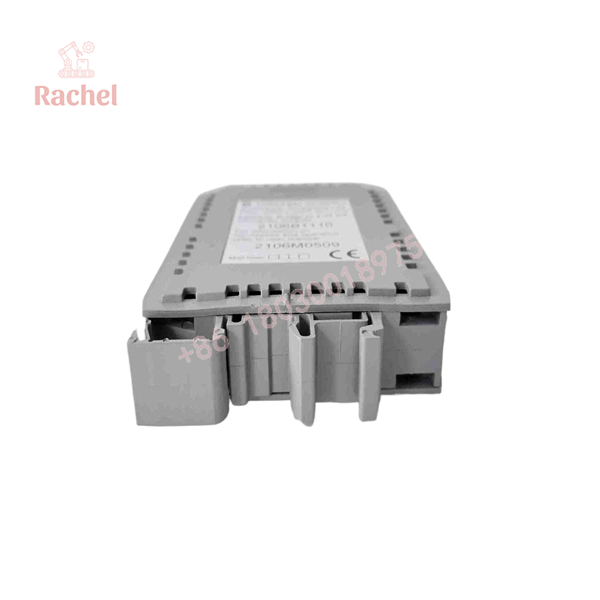
2106B1110
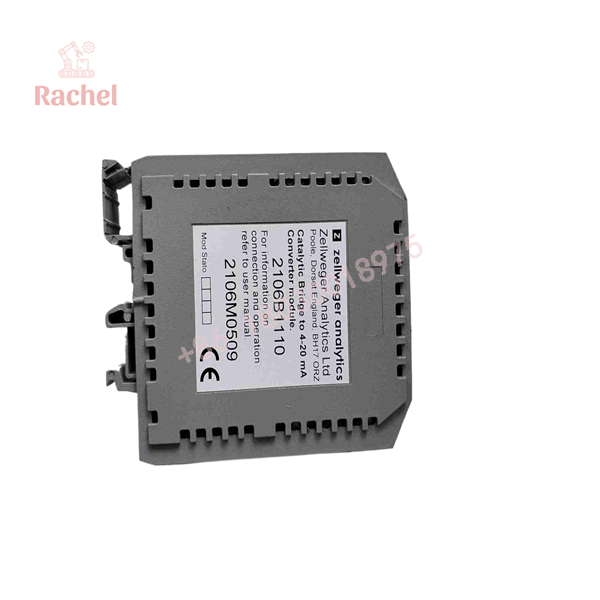
2106B1110
Transparency SOP: Quality Assurance & Testing
We test our gas detection hardware on actual loop simulators and gas test benches. Here is how every Honeywell 2106B1110 unit is verified prior to dispatch:
- Inbound Physical Inspection: Verification of flameproof path integrity, sintered stainless steel disc filter inspection, thread check on all three M20 entries, and confirmation of OEM anti-tamper seals.
- Power-On Self-Test (POST): Apply 24V DC nominal power to confirm proper bootup cycle, display backlighting, and menu system navigation via magnetic wand.
- Current Loop Output Calibration: Hook up to a precision digital multimeter to verify 4.00mA zero baseline and check 20.00mA full-scale loop current driving capability.
- Relay Contact & Continuity Verification: Test Alarm 1, Alarm 2, and Fault SPDT dry contact transitions across energized and non-energized states under simulated trip conditions.
- Sensor Socket Interface Handshake: Verify communication between the main display PCB and catalytic bead sensor socket to rule out internal ribbon or connector fault codes (
F01/F04). - Anti-Static Protective Packaging: Unit is fitted with terminal caps, wrapped in heavy ESD shielding, and packed securely for transit.
The Veteran’s Tech Trap Guide (Crucial Value-Add)
In our field experience, field technicians ruin gas detectors during installation more often than ambient wear does. Pay close attention to these pitfalls:
- ⚠️ M20 vs NPT Thread Pitfall: The 2106B1110 uses M20 metric cable entries. Do not force 3/4″ or 1/2″ NPT conduit fittings into these entries. You will strip the aluminum threads, destroy the flameproof path certification, and render the Ex d housing useless. Use certified M20-to-NPT explosion-proof adaptors if needed.
- ❗ Non-Intrusive Magnetic Wand Loss: Do not open the glass cover in a hazardous area to adjust menu settings! The unit is operated using the magnetic wand on the glass windows. Keep a spare magnet tied to the housing bracket. Opening the cover in a classified area without a hot work permit can cause a catastrophe.
- ⚠️ Sensor Poisoning Awareness: Catalytic bead sensors can be permanently poisoned or deadened by exposure to airborne silicones, tetraethyl lead, sulfur compounds, or halogenated hydrocarbons. If your facility uses silicone sprays nearby, your sensor zero and span will drift rapidly.
- ❗ Sensor Inhibit Mode Before Maintenance: Always put the transmitter into “Inhibit Mode” via the non-intrusive menu before applying bump test gas or servicing the head. If you forget, your 4-20mA loop and relay contacts will trip the plant ESD system and drop the entire unit offline.
Frequently Asked Questions (FAQ)
Q: What is the difference between M20 and 3/4″ NPT Sensepoint XCD models?
A: Model number 2106B1110 designates the 3x M20 thread entry variant (typically used in European/Global installations). The equivalent 3/4″ NPT version is 2106B1100. Make sure your explosion-proof cable glands or conduit matches the thread standard before ordering.
Q: Can I hot-swap the sensor cartridge on the 2106B1110?
A: Yes, the Sensepoint XCD platform utilizes plug-in sensor cartridges. However, you must follow local hazardous site safety codes and use the magnetic wand menu to place the device in Inhibit Mode before removing or installing sensor heads to prevent false alarm trips.
Q: Does this unit support HART protocol?
A: The standard 2106B1110 provides a 3-wire 4-20mA analog output alongside RS485 Modbus RTU communication. If your DCS system requires HART communication, verify if a HART add-on module is fitted or consider dedicated HART-enabled XCD transmitter variants.
Q: Why buy new surplus or tested refurbished stock instead of buying direct from the manufacturer?
A: Lead times from factory channels for explosion-proof instrumentation often extend past 12–16 weeks. Purchasing tested surplus provides an immediate drop-in replacement during emergency outages, eliminating costly plant downtime at a lower price point.
Q: What warranty is provided with this gas transmitter?
A: We back this unit with a full 12-month operational warranty. If it experiences a hardware failure or functional defect under standard operating conditions within one year, we will repair or replace it promptly.

 Start Chat


