





Description
Product Introduction
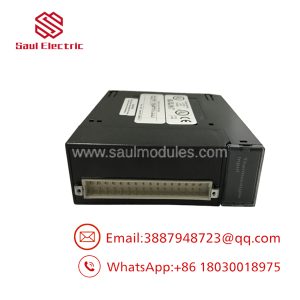
The GE IC670GBI102D is a Genius bus interface unit used in GE Field Control systems. It links field I/O modules to the Genius network and serves as the communication backbone for distributed I/O stations in legacy automation panels.
Its real value is uptime. In our field experience, this kind of BIU is what keeps an old installed base alive without ripping out the whole rack. It is not glamorous, but it is the part that keeps the remote I/O station talking when the rest of the system still has years left in it.
Key Technical Specifications
| Parameter | Value |
|---|---|
| Model | IC670GBI102D |
| Manufacturer | GE Fanuc / GE |
| Product Family | Genius Field Control |
| Product Type | Bus Interface Unit |
| Nominal Input | 115 VAC / 125 VDC |
| Operating Supply Range | 18-30 VDC |
| Power Consumption | 16.8 W |
| Current Output to Modules | 1.4 A |
| Network Role | Field I/O station interface |
| Bus Support | Genius bus |
| Mounting | DIN rail / panel-mounted field control assembly |
| Application | Distributed I/O communication |
Application Scenarios & The “Trench” Experience
A plant outage on a Friday night usually starts with one ugly symptom: a remote I/O station goes dark, and nobody can tell whether the issue is the power feed, the bus, or the interface unit. That is exactly where a GE Genius BIU becomes the first thing engineers want on the bench.
- Manufacturing – Distributed machine I/O – Used when remote field modules must stay tied into an existing Genius network.
- Process plants – Remote control cabinets – Required to keep a field I/O station communicating with the host controller.
- Utilities – Legacy station support – Needed when old GE field racks must remain operational without a full migration.
- Retrofit projects – Like-for-like replacement – Chosen when the station architecture is fixed and downtime is expensive.
Field case: a packaging line lost one field station after a cabinet power event. The controller stayed up, but the local I/O was dead and the operator could not clear the fault from upstream. Replacing the interface unit restored the remote station, avoided a larger panel rewrite, and saved the plant from a multi-day retrofit window.
Transparency SOP: Quality Assurance & Testing
We don’t just ship boxes; we test them on actual GE racks.
- Inbound Inspection: Verify part number, suffix, label condition, connector integrity, and counterfeit indicators.
- Live Rig Testing: Power the unit in a known-good Field Control rack and confirm bus communication.
- Electrical Parameter Checks: Check supply voltage behavior, current draw, and module power output under load.
- Firmware Verification: Record the exact hardware revision and functional status during test.
- Final QC & Anti-static Packaging: Clean, function-test, and pack in ESD-safe materials before shipment.
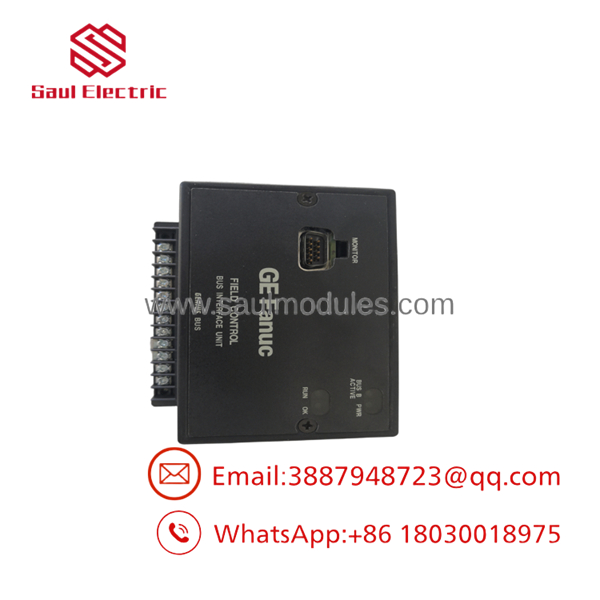
- IC670GBI102D
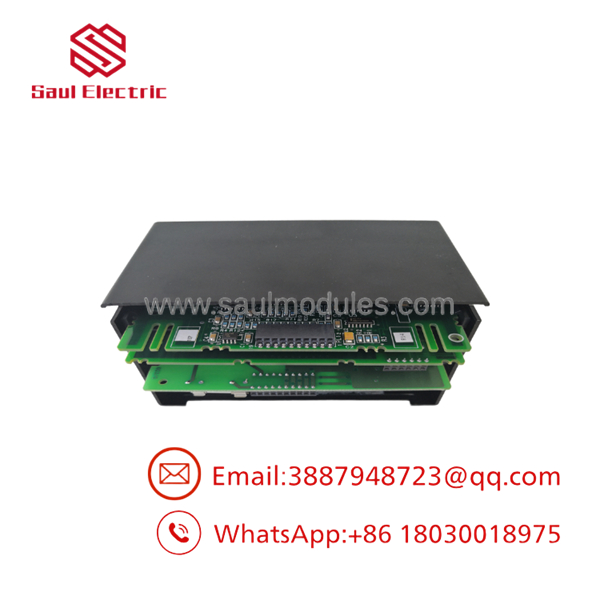
- IC670GBI102D
The Veteran’s Tech Trap Guide
- ⚠️ Suffix matters. IC670GBI102D is not just “close enough” to another 102 variant. Check the exact suffix before you order.
- ❗ Don’t ignore power range. This unit is listed with 115/125 V nominal input and an 18-30 VDC supply range. Mismatch the supply and you will spend the night chasing ghosts.
- ⚠️ Hot-insert assumptions can bite you. Some later GE variants support module insertion/removal under specific conditions, but that does not mean every field swap is safe live.
- ❗ Bus wiring errors are brutal. Wrong termination, bad shield continuity, or a loose bus lead can make the BIU look dead when it is not.
Frequently Asked Questions (FAQ for Conversion)
Q: Is IC670GBI102D hot-swappable?
A: No. Do not treat it like a casual live-plug part. Power down and verify the station before replacement.
Q: What does this module actually do?
A: It is the Genius bus interface for a Field Control I/O station. It links the field modules to the network.
Q: Is this the same as IC670GBI102?
A: Closely related, but the suffix can matter. Do not assume the D revision is identical without checking the exact system documentation.
Q: What power does it need?
A: The listing data shows a nominal 115 VAC / 125 VDC input and an 18-30 VDC operating supply range.
Q: Can it be used in a retrofit?
A: Yes, that is one of the main reasons people still buy it. It lets you preserve the existing Field Control architecture.
Q: Why is it cheaper than OEM direct supply?
A: Because most stock in circulation comes from surplus or recovered installed base, not active factory production.
Q: Is it fake or refurbished?
A: Surplus parts can come from mixed channels. The safe move is to demand test data, photos, and revision details before you pay.

 Start Chat


