





Description
Product Introduction & Engineering Value
Aging VME platforms often remain in operation because the surrounding equipment, software, and field interfaces have already been validated. Replacing the entire control architecture can introduce unnecessary engineering risk. The MVME5100 provides a practical upgrade path for systems that require more processing capability while maintaining VMEbus infrastructure.
For engineers managing legacy automation assets, the value of the MVME5100 is not only processor performance. It is the ability to preserve existing VME I/O ecosystems, application software environments, and proven machine behavior while extending system service life.
Technical Specifications
| Parameter | Specification |
|---|---|
| Manufacturer | Motorola Computer Group |
| Model | MVME5100 |
| Board Type | VMEbus Single Board Computer |
| Form Factor | 6U VME |
| Processor Architecture | PowerPC |
| CPU Family | MPC750 series (variant dependent) |
| VME Interface | VME64 compatible |
| System Memory | SDRAM configuration dependent |
| Local Storage | Flash memory / onboard storage options |
| Ethernet Interface | Integrated Ethernet communication |
| Serial Interfaces | Multiple asynchronous serial channels |
| Operating Systems | VxWorks, UNIX variants, embedded operating environments (application dependent) |
Note: MVME5100 boards were manufactured in multiple configurations. Exact CPU speed, memory capacity, storage options, and firmware support depend on the specific assembly number and installed options.
Field Application & The “Trench” Experience”
A turbine monitoring equipment supplier maintained a vibration analysis platform installed across multiple generation facilities. The system used a VME chassis with specialized acquisition cards and a Motorola MVME5100 controller running a validated embedded operating environment.
After years of service, the controller board began experiencing intermittent startup failures. The plant maintenance team considered replacing the entire monitoring platform but found that the existing acquisition hardware and software were still fully functional.
A replacement MVME5100 board was installed, firmware was verified, communication interfaces were checked, and the system was returned to monitoring duty without a major redesign.
Typical application scenarios include:
- Industrial data acquisition systems
- Turbine and rotating equipment monitoring platforms
- Automated test equipment
- Defense and aerospace embedded computers
- Telecommunications infrastructure controllers
- Legacy factory automation systems
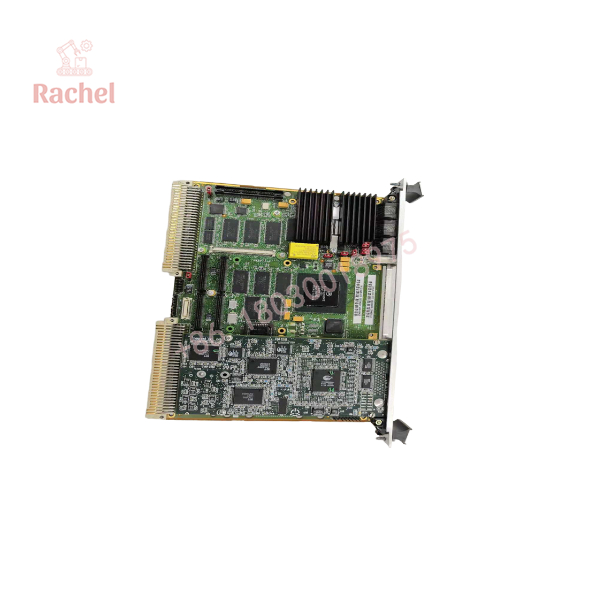
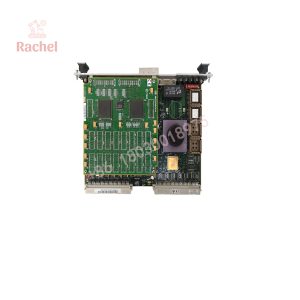
MVME5100
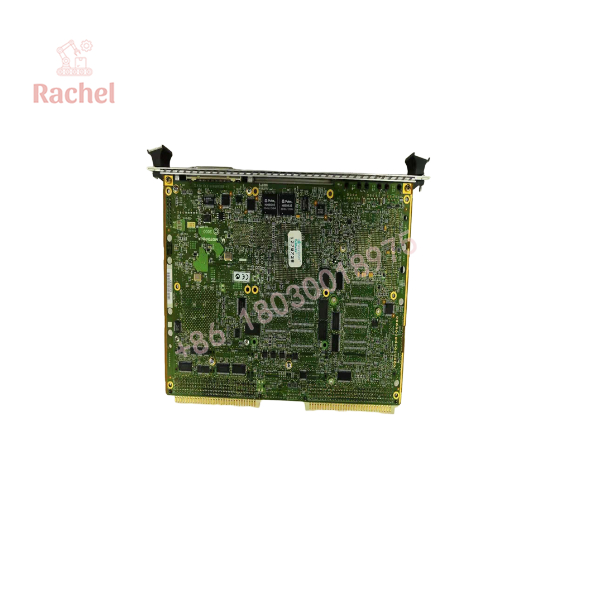
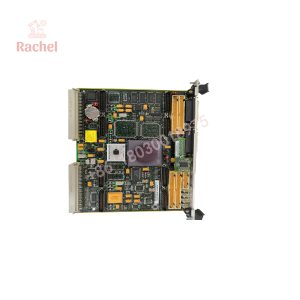
MVME5100
Transparency SOP: QA & Testing
A PowerPC VME controller should be tested as a complete embedded computer, not treated as a simple plug-in board.
Verification sequence:
- Configuration review
- Confirm MVME5100 model identification.
- Record CPU version, memory configuration, and firmware information.
- Compare assembly revision with the failed unit.
- Hardware inspection
- Inspect PCB condition.
- Check VME connector pins.
- Examine heat sinks, components, and storage devices.
- System-level testing
- Perform VME chassis boot verification.
- Confirm processor initialization.
- Verify memory recognition.
- Test Ethernet and serial communication.
- Validate operating system startup where available.
For New Surplus units, storage history and packaging condition should be reviewed. Refurbished boards should include cleaning, inspection, functional testing, and warranty documentation.
The Veteran’s Tech Trap Guide
⚠️ Trap 1: Treating MVME5100 replacement as a simple hardware swap
PowerPC VME systems often depend on specific firmware, boot settings, and operating system images.
PRO TIP: Save the original boot configuration before removing the failed board.
⚠️ Trap 2: Ignoring software compatibility
A replacement CPU board may start correctly but fail to run the application if:
- Boot ROM versions differ
- Memory configuration changes
- Operating system images are incompatible
- Drivers expect different hardware revisions
⚠️ Trap 3: Forgetting VME bus configuration
VME systems rely on correct addressing and interrupt behavior.
Verify:
- Slot position
- Address mapping
- Interrupt assignments
- Connected module requirements
Dynamic FAQ
Q1. What is the Motorola MVME5100 used for?
The MVME5100 is a PowerPC-based 6U VME single-board computer used in industrial control, embedded computing, test systems, and long-life automation platforms.
Q2. Is the MVME5100 still manufactured?
The MVME5100 is a legacy Motorola Computer Group product. Current availability is generally through industrial surplus, used, and refurbished equipment suppliers.
Q3. Can the MVME5100 replace older MVME boards?
Compatibility depends on the complete system architecture. A newer processor board may require software validation, firmware updates, and configuration adjustments.
Q4. What should be checked before ordering an MVME5100 replacement?
Confirm:
- Exact board model and revision
- Processor configuration
- Memory capacity
- Firmware version
- Operating system requirements
- Existing VME chassis compatibility
Q5. Are refurbished MVME5100 boards tested before shipment?
A qualified supplier should perform hardware inspection, power-up testing, communication checks, and operational verification before shipment.
Q6. Why do companies continue using MVME5100 boards?
Many VME systems control specialized equipment with long qualification cycles. Maintaining compatible spare boards reduces downtime and avoids costly system redevelopment.

 Start Chat


