





Description
Product Introduction
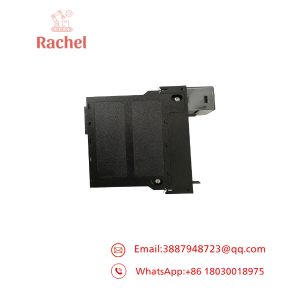
The RadiSys EXP-MX200 is an EXM-bus expansion carrier board engineered for legacy RadiSys embedded single-board computers (SBCs) and VMEbus computing platforms. It acts as an I/O and functionality multiplier, allowing system integrators to attach specialized mezzanine cards—such as additional serial channels, Ethernet interfaces, or fieldbus controllers—directly to the primary processor engine.
By extending the local system bus without adding bus latency or external cabling complexity, the EXP-MX200 provides a compact footprint for high-density computing tasks. It is widely used in legacy defense, aerospace, telecom, and heavy industrial automation racks where custom I/O expansion is required within a single or dual-slot chassis envelope.
Key Technical Specifications
| Parameter | Specification / Value |
| Board Type | Embedded SBC EXM Bus Expansion Carrier Module |
| Architecture | RadiSys EXM Local Expansion Bus Standard |
| Interconnect Type | Multi-pin High-Density EXM Stacking Connector |
| Expansion Capacity | Accommodates standard EXM mezzanine expansion cards |
| System Compatibility | RadiSys EPC-series single-board computers / VMEbus racks |
| Operating Temperature | 0^\circC to +55^\circC industrial operating range |
| Form Factor | Single/Dual-slot VME / Embedded Eurocard format |
| Power Requirements | +5V DC, \pm 12V DC (Supplied via main processor host bus) |
Application Scenarios & The “Trench” Experience
When an expansion mezzanine carrier fails in an embedded control system, the main CPU might boot up fine, but the system loses communication with downstream field devices. In our field experience, 24/7 industrial enclosures suffer from thermal stress that degrades surface-mount solder joints on high-density EXM bus connectors, leading to intermittent card-detection errors or memory address collisions during POST.
- Legacy Telecommunications Switching – Protocol Conversion – Houses custom serial or network interface cards tied to central rack processors.
- Aerospace & Defense Simulators – Real-Time Avionics I/O – Connects specialized bus adapters (ARINC/MIL-STD) directly to host VME SBCs.
- Industrial Process Control Racks – Factory Automation Hubs – Manages multi-port serial communications and specialized motion control mezzanine cards.
Field Replacement Case: A regional power generation facility faced an emergency shutdown risk when an aging turbine monitoring rack began intermittently dropping its serial diagnostic links. Diagnostic logs traced the fault to a cracked bus connector on the original RadiSys EXP-MX200 carrier board. Swapping in a fully bench-tested surplus EXP-MX200 module restored full mezzanine card addressing and brought the turbine telemetry back online in under 45 minutes, avoiding an unscheduled grid disconnect.
Transparency SOP: Quality Assurance & Testing
We don’t just ship visual surplus; every embedded expansion card undergoes strict physical and electrical verification:
- Inbound Visual & Pin Inspection: Check all high-density EXM connectors, backplane pins, and surface-mount passives for thermal discoloration or mechanical stress.
- Power-On Voltage Rail Audit: Mount on a test SBC motherboard to verify onboard voltage regulation and ensure no shorts exist across power rails.
- EXM Bus Address & Data Line Test: Execute full read/write memory cycles across the EXM bus to verify bit-level data transfer integrity.
- Mezzanine Loopback Verification: Install known-good EXM daughtercards to validate signal routing across all expansion channels under full load.
- Final Quality Audit & ESD Packaging: Package in anti-static shielding bags with active desiccant packs before shipping in heavy-duty protective containers.
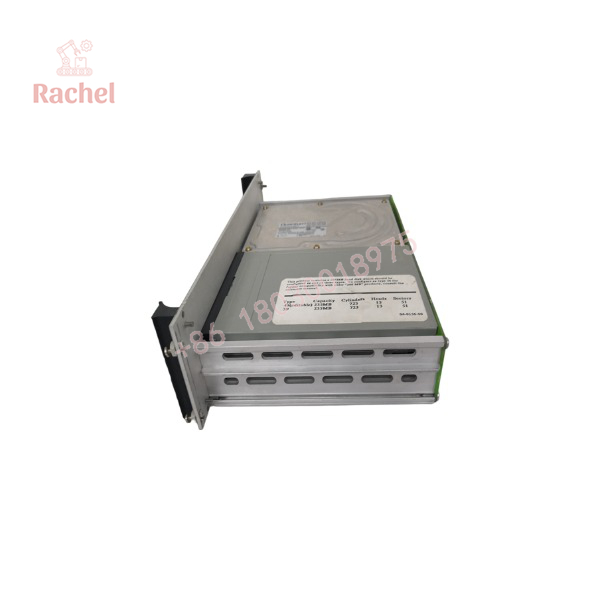
EXP-MX200
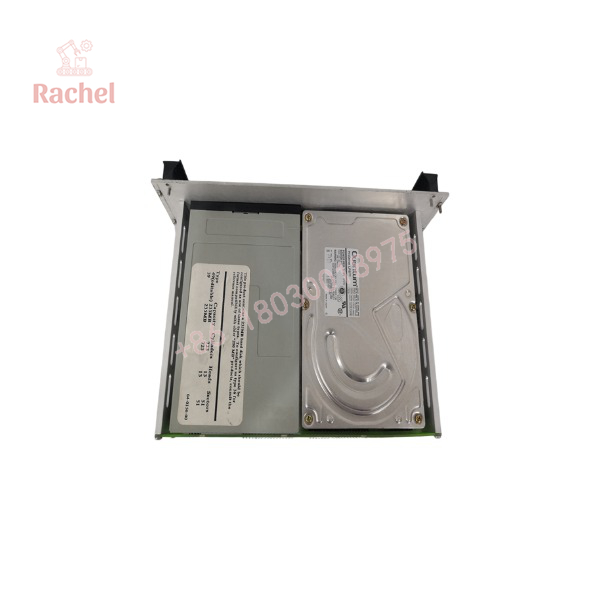
EXP-MX200
The Veteran’s Tech Trap Guide (Crucial Value-Add)
- ⚠️ Inspect Connector Pins Before Mating: Never force the EXP-MX200 onto the host SBC. The high-density EXM bus stacking pins are delicate; a single bent pin will short out the host CPU’s local bus and permanently damage both boards upon power-up.
- ❗ Match Base Board Jumpers: Verify that the interrupt and memory-map DIP switches on the host SBC match the addressing requirements of the mezzanine cards installed on the EXP-MX200. Address overlaps will cause instant kernel panics or boot lockups.
- ⚠️ Never Hot-Swap EXM Cards: Always turn off main chassis power and wait for power supply capacitors to discharge completely before removing or installing the expansion module. Hot-plugging EXM cards will destroy the bus buffer logic ICs.
- ❗ Secure Standoff Fasteners: Always tighten all card-retaining standoffs and front-panel screws. Loose mounting hardware allows high-vibration environments to back the EXM connector out of its socket over time, causing intermittent open circuits.
Frequently Asked Questions (FAQ for Conversion)
Q: Does the RadiSys EXP-MX200 require separate software driver installation?
A: No separate drivers are required for the EXP-MX200 carrier board itself. Drivers are only required for the specific mezzanine daughtercards (e.g., Ethernet, serial, DAQ) mounted onto the board.
Q: Is the EXP-MX200 compatible with non-RadiSys VMEbus single-board computers?
A: The EXP-MX200 uses the proprietary RadiSys EXM local expansion bus. It must be paired with a compatible RadiSys host processor board or SBC that features an EXM expansion header.
Q: What is the primary cause of failure on these legacy expansion boards?
A: Thermal cycling over long operating lifespans and physical pin damage during card swapping are the two primary failure modes for this module family.
Q: Can I run multiple EXP-MX200 boards stacked on a single host computer?
A: Stacking limits depend on the specific host SBC model’s electrical drive capacity and bus address mapping limitations. Consult your RadiSys SBC hardware manual for maximum expansion slot allowances.
Q: Why source surplus RadiSys components instead of upgrading the embedded system?
A: Upgrading a legacy embedded architecture often requires completely rewriting real-time software operating systems and re-certifying hardware. Replacing a failed EXP-MX200 with tested surplus inventory keeps existing systems operational at a fraction of the cost.

 Start Chat


