





Description
Product Introduction & Engineering Value
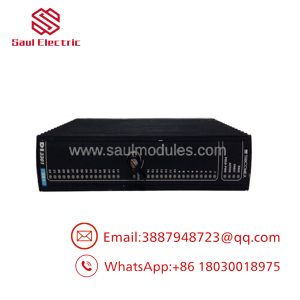
Ground loops and severe electromagnetic noise frequently ruin copper-based I/O expansions running between distant processing units. The Triconex 4210 solves this by converting primary chassis backplane signals into noise-immune, single-mode optical pulses.
Installed directly inside the primary chassis, this module lets controls teams position remote I/O expansion racks up to 12 kilometers away. It maintains full TMR voting logic, millisecond scan speeds, and total electrical isolation across sprawling industrial facilities.
Technical Specifications
- Module Identifier: Triconex 4210 (Primary Single-Mode RXM)
- Fiber Optic Type: Single-Mode Fiber (SMF)
- Maximum Cable Distance: 7.5 miles (12 kilometers)
- Remote Sites Supported: Up to 3 remote expansion chassis per primary set
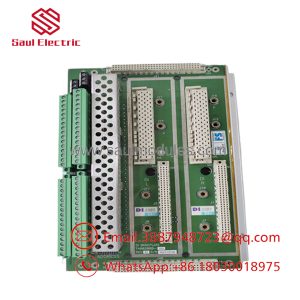
- Connector Format: 6 ST fiber optic ports per remote link
- Chassis Location: Primary Chassis (dedicated RXM slots)
- Backplane Transmission Rate: 10 Mbps triplicated bus extension
- Power Consumption: 18 Watts typical
- Operating Temperature Range: -40°C to 70°C (-40°F to 158°F)
- Status Indicators: PASS, FAIL, ACTIVE, TX, RX1, RX2, RX3
- Safety Rating: SIL 3 (IEC 61508) compliant within Tricon TMR architecture
Field Application & The “Trench” Experience
During an emergency retrofit at a coastal gulf refinery, severe electrical storms repeatedly blew out legacy copper extenders linking the central control room to an offsite tank farm. The site team pulled 2.5 miles of single-mode fiber and dropped in a Triconex 4210 primary set. Channel voting restored in under two seconds, completely isolating the safety system from ground potential surges.
Niche Application Scenarios
- Offshore Satellite Platform Links: Relaying critical ESD and fire-and-gas safety instrumented functions (SIF) from unmanned wellhead platforms back to a central facility over subsea fiber lines.
- High-Voltage Switchgear Adjacent I/O: Running remote I/O lines through heavy electrical distribution rooms without introducing EMI into safety interlock circuits.
- Offsite Tank Farm Safety Interlocks: Connecting remote emergency shutoff valves across 5-kilometer tank farms directly to the main Tricon safety controller.
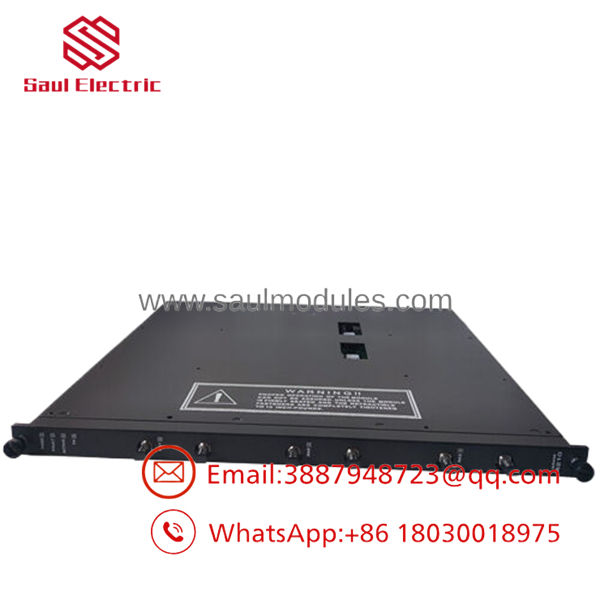
- 4210
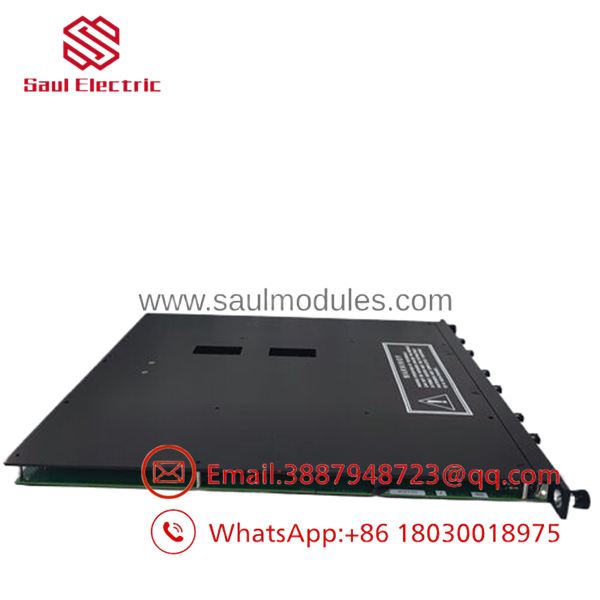
- 4210
Transparency SOP: QA & Testing
Every Triconex 4210 entering our warehouse undergoes a 48-hour bench validation before entering ready stock. Our senior engineers install the unit into a live Tricon v10 test chassis, hook up single-mode fiber loops, and introduce artificial line loss using calibrated optical attenuators. We cycle system power rails, force channel faults, and record packet delivery via TriStation 1131 software to ensure perfect TMR synchronization and receiver sensitivity under full operational load.
The Veteran’s Tech Trap Guide
- ⚠️ Mismatched Optic Transceivers: Do not confuse the 4210 (Single-Mode Primary) with the 4200 (Multi-Mode Primary). Pairings must match: single-mode primary modules require single-mode remote modules (such as the 4211). Mixing multi-mode and single-mode components causes total link failure or optical signal clipping.
- PRO TIP: Inspect the ST Connectors: More than 70% of reported “RX1/RX2 Link Failures” on newly fielded 4210 cards trace back to microscopic dust on the ST optical ferrules. Always wipe fiber tips with lint-free optical swabs before clicking them into the faceplate.
- ⚠️ Triplicated Firmware Alignment: When replacing a single damaged card within a 3-module primary set, double-check that the hardware revision and internal firmware match the active sister cards in the adjacent slots to avoid backplane mismatch alarms.
Dynamic FAQ
Q: Can I hot-swap a single Triconex 4210 module while the process is live?
Yes. Thanks to Triple Modular Redundancy (TMR), you can pull and replace an individual 4210 card without stopping the controller or interrupting plant safety loops.
Q: What is the main operational difference between the 4210 and the 4200?
The 4210 uses single-mode fiber optic cable to achieve link distances up to 12 km (7.5 miles). The 4200 uses multi-mode fiber, which limits run lengths to approximately 2 km (1.2 miles).
Q: Does the 4210 module ship as a single card or a set of three?
In a standard primary chassis setup, three 4210 modules operate side-by-side to serve channels A, B, and C. They are available individually for field replacement or as a complete set of three for new system expansions.
Q: How are your surplus 4210 modules tested and warrantied?
Every module is bench-tested on an active Tricon chassis with optical loopback gear and backed by our standard 12-month warranty against hardware failures.
Q: What do the RX1, RX2, and RX3 LEDs on the front panel indicate?
These indicators show real-time fiber link integrity for up to three distinct remote expansion chassis connected to that specific primary module. Solid green confirms an active, error-free optical connection.

 Start Chat


