





Description
Product Introduction
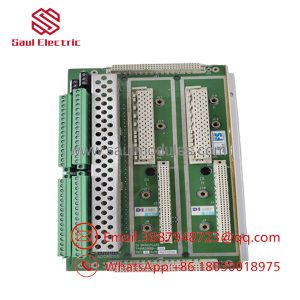
The Triconex 8111 is a low-voltage main chassis designed for high-availability Triple Modular Redundant (TMR) safety systems. Widely installed across emergency shutdown (ESD), fire and gas monitoring, and turbomachinery control applications, this 10-slot base unit houses the main processors, power supplies, and critical I/O modules required for SIL 3 safety compliance.
Unlike standard PLC backplanes that share a single bus, the 8111 chassis features fully isolated triplicated power and communication paths across its backplane logic. This design ensures that a single point of failure—whether a bus fault, shorted I/O card, or power supply drop—cannot cascade across the system or take down your process safety instrumented function (SIF).
Key Technical Specifications
| Parameter | Specification |
| Model | 8111 |
| Manufacturer | Triconex / Schneider Electric (formerly Invensys) |
| System Architecture | Triple Modular Redundant (TMR) Low Voltage |
| Slot Capacity | 10 total slots (Power, Main Processors, I/O) |
| Backplane Bus Type | Triplicated isolated power & TriBus communications |
| Mounting Style | 19-inch rack mount or panel rear-mount |
| Power Distribution | Dual redundant power supply positions (24V DC / 120V AC input dependent) |
| Operating Temperature | 0°C to 60°C (32°F to 140°F) |
| Environmental Rating | Industrial chassis, conformal coated backplane PCB |
| Safety Certification | TÜV certified up to SIL 3 (IEC 61508 compliance) |
Application Scenarios & The “Trench” Experience
It is 4:45 AM during a planned refinery turnaround, and your emergency shutdown rack throws a backplane power bus alarm during cold restart tests. A bent backplane pin on an old chassis slot is shorting out Channel B power, preventing the main processors from reaching a healthy triplicated state. In a SIL 3 environment, you cannot bypass safety trips to start production. Every hour the plant sits cold costs tens of thousands in delayed production. Swapping in a clean, fully pin-inspected Triconex 8111 main chassis gets your TMR bus healthy so you can clear interlocks and safely light fires.
- Refinery Emergency Shutdown (ESD) – Safety Instrumented System (SIS) rack – Houses core processing and trip modules for emergency valve actuation.
- Offshore Oil & Gas Platforms – Fire and Gas (F&G) logic solver – Provides continuous fail-safe monitoring across hazardous gas detection zones.
- Turbomachinery Control (TMC) – Over-speed protection – Delivers deterministic, fault-tolerant execution for high-speed trip logic.
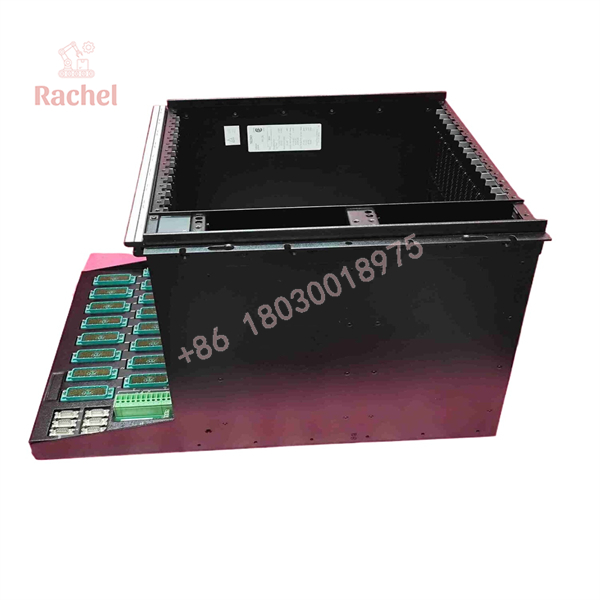
8111
Transparency SOP: Quality Assurance & Testing
We don’t just ship boxes; we test them on actual Triconex validation racks.
- Backplane Pin & Alignment Audit: Microscopic optical inspection of every backplane connector pin for bends, corrosion, or mechanical wear.
- Isolation & Continuity Testing: Measuring insulation resistance across isolated triplicated buses to ensure zero short-circuits between Channel A, B, and C power rails.
- Power Rail Load Test: Installing dual power supply modules and running rated DC current through the backplane distribution traces to verify zero voltage drop.
- Live TMR Handshake Test: Seating MP3101/MP3008 processors and I/O cards to verify full TriBus communication handshake and diagnostic pass status.
- ESD Cleaning & Packaging: Chemically cleaned with anti-static solution, fitted with slot protective covers, and double-wrapped in custom foam shipping cases.
The Veteran’s Tech Trap Guide (Crucial Value-Add)
⚠️ Inspect Backplane Pins Before Seating Modules: Never force a processor or I/O card into an 8111 slot. If an edge connector isn’t aligned perfectly, you will bend a backplane pin on the chassis. Once a pin short-circuits two channels, the entire chassis has to come out.
❗ Check Your Keying Pins: Triconex chassis slots use mechanical keying pins to prevent installing the wrong module type into a live slot. Always double-check keying positions against your system design drawing before pushing modules home.
⚠️ Verify Grounding Bar Bonding: The chassis chassis-ground stud must be bonded directly to your plant’s low-impedance instrument ground. Floating ground planes on a Triconex rack will introduce common-mode noise and cause erratic I/O fault logs.
❗ Never Move Under Power Without Lock-Screws Slotted: When seating or swapping power supplies or processor modules, always tighten the top and bottom retention thumbscrews immediately. Vibration can back a card out enough to cause bus chatter. Trust me on this one.
Frequently Asked Questions (FAQ for Conversion)
Q: Is the Triconex 8111 chassis compatible with all Tricon module versions?
A: The 8111 is designed for standard low-voltage Tricon v9 and v10 architectures. However, always check module keying and backplane revision letters to ensure compatibility with specific legacy I/O cards.
Q: Can I hot-swap I/O modules seated in the 8111 chassis?
A: Yes, Triconex I/O modules installed in an 8111 chassis support online hot-swapping under powered conditions, provided your system software configuration supports online replacement.
Q: Does this chassis include the power supply modules and processors?
A: No. The 8111 model number represents the bare main chassis with the integrated backplane PCB and card cage assembly. Power supplies, processors, and I/O cards are purchased separately.
Q: How do your surplus Triconex chassis compare to buying direct from Schneider Electric?
A: Factory lead times for Triconex hardware can stretch for months during global supply chain crunches. Our surplus stock consists of fully tested, genuine OEM hardware available immediately at a lower cost to get your plant running without delay.
Q: What warranty comes with this 8111 unit?
A: We back all our new surplus and reconditioned Triconex hardware with a full 12-month replacement or repair warranty.

 Start Chat


