





Description
Product Introduction
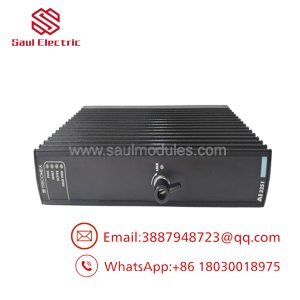
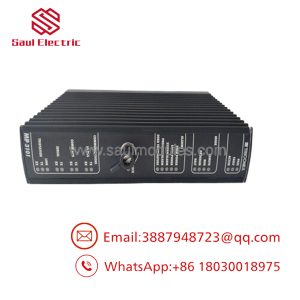
The Invensys Triconex CIM3211S2 is an isolated communication interface module built for Tricon Triple Modular Redundant (TMR) safety systems. Installed inside the main or expansion chassis, it allows the Tricon safety controller to pass diagnostic alarms, process variables, and trip events to upper-tier Distributed Control Systems (DCS) and SCADA packages.
Unlike basic serial gateways, the CIM3211S2 handles communication overhead independently from the main processors. This design keeps heavy Modbus polling traffic from bogging down safety logic execution speeds. Its optical isolation prevents external electrical noise or ground loops on field serial lines from bleeding back into the main system backplane.
Key Technical Specifications
| Parameter | Specification / Value |
| Module Type | Communication Interface Module (CIM) |
| Serial Ports | 4x optically isolated ports (configurable RS-232 / RS-485) |
| Supported Protocols | Modbus RTU (Master/Slave), Modbus ASCII, TriStation protocol |
| Baud Rates | 1200 bps to 115.2 kbps (per port configurable) |
| Isolation | 1500 VDC port-to-ground and port-to-backplane |
| Diagnostics | Port status, transmit/receive LEDs, module health LED |
| Power Dissipation | < 10W via chassis backplane |
| Operating Temp | -20°C to +70°C (-4°F to 158°F) |
| Hot Swappable | Yes (online module replacement) |
| System Compatibility | Tricon v9.x, v10.x main and expansion chassis |
Application Scenarios & The “Trench” Experience
Picture this: It is 2:15 AM in a chemical processing plant. The operator console suddenly drops all telemetry from the reactor safety rack. The safety system itself is fine and still running its 2oo3 logic, but the DCS operator is completely blind to tank pressures and valve statuses. A comms card lockup or port driver failure on an older interface module caused the link to drop. You need to drop in a functional card immediately without dropping the active safety interlocks.
Application Scenarios
- Refinery DCS Integration: Translates internal Tricon registers into Modbus RTU addresses for Honeywell Experion or Emerson DeltaV operator graphics.
- Pipeline Compressor Monitoring: Sends high-speed vibration and trip statuses over long-distance RS-485 serial loops to remote telemetry units (RTUs).
- LNG Tank Farm Safety: Relays gas detector alarm thresholds to the main control room HMI while keeping the safety system isolated from the corporate LAN.
- Offshore Platform Emergency Shutdown: Feeds platform ESD status bits to marine monitoring equipment over isolated serial trunks.
Field Case Study
An offshore gas platform lost Modbus communication on Port 2 of their legacy communication card during a heavy storm. Salt spray exposure had damaged the transceiver stage on the RS-485 port. The operator could not clear permissive alarms on their SCADA screen, threatening a forced platform shutdown. We dispatched a verified CIM3211S2 module by helicopter. The instrument crew swapped the card live in under three minutes. Communications restored automatically, saving an estimated $220,000 in deferred daily production.
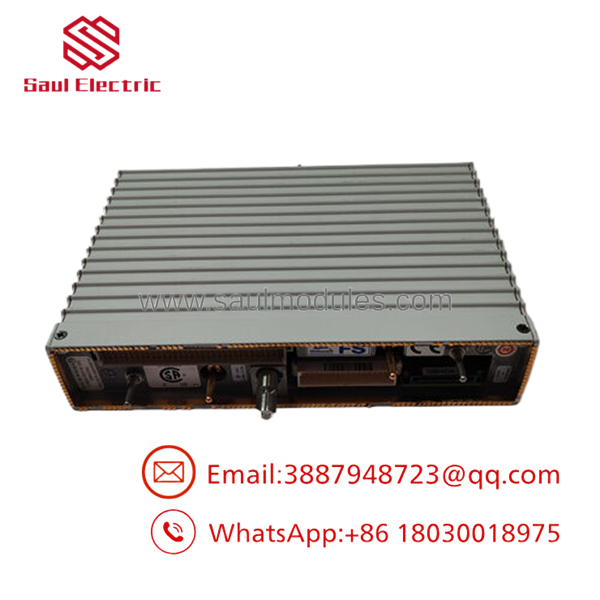
- CIM3211S2
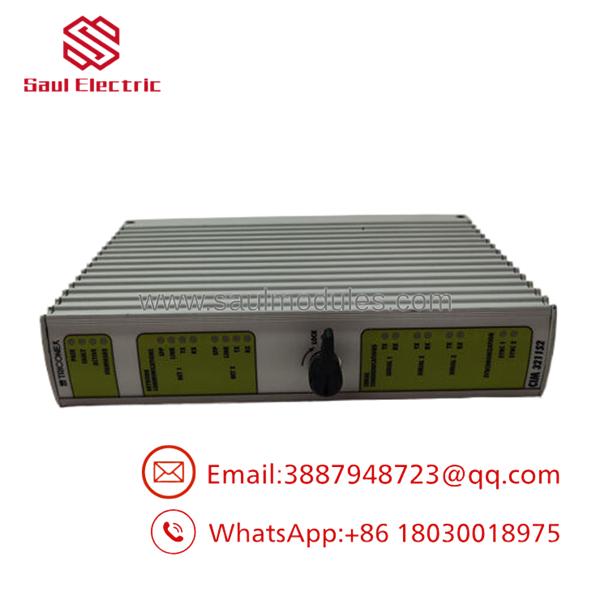
- CIM3211S2
Transparency SOP: Quality Assurance & Testing
We do not just ship boxes; we test them on actual Tricon racks.
- Inbound Physical Inspection: Every card undergoes visual checks under magnification to inspect port connectors, surface-mount components, and edge connector plating for ESD damage or pin wear.
- Anti-Counterfeit Authentication: Part numbers, serial tags, and PCB layout revisions are verified directly against Tricon manufacturing standards.
- Live Chassis Power-On Test: The CIM3211S2 is seated in a live Tricon rack to confirm backplane power draw, initialization sequences, and self-test LED passes.
- Active Serial Loopback & Modbus Testing: We run continuous Modbus RTU read/write polling across all serial ports at 115.2 kbps for 12 hours straight using a master controller to ensure zero bit errors or dropped frames.
- Clean Slate & Static Packaging: Port registers are reset to factory defaults, and the module is sealed inside a heavy-duty static shielding bag with fresh desiccant.
The Veteran’s Tech Trap Guide (Crucial Value-Add)
In our field experience, communication modules cause more late-night headaches due to simple setup mistakes than actual hardware failures. Watch out for these pitfalls:
- ⚠️ Match DIP Switch & Jumper Positions: The uses hardware jumpers/switches to select between RS-232 and RS-485 modes on each port. Take a clear photo of the old card’s jumpers before pulling it out of the rack. If you insert the new card with default settings, your RS-485 loop will stay dead.
- ❗ Watch Termination Resistor Placement: On long RS-485 multidrop runs, failing to enable the built-in 120-ohm termination resistor on end-of-line modules causes signal reflection. If your data drops frames intermittently, check your line termination.
- ⚠️ Verify Parity and Baud Rate in TriStation: The module stores its port baud rates and slave IDs from the TriStation project file. Inserting a replacement card won’t fix comms if someone updated the master DCS port speed to 19,200 baud while the Tricon project is hardcoded for 9,600 baud.
- ❗ Never Pull the Terminal Blocks Under Load: Unplug the serial wiring arm or terminal block before pulling the card. Tugging on live RS-485 signal wires can short 24V field supplies onto signal lines and blow out the transceiver chips on the replacement card.
Frequently Asked Questions (FAQ)
Q: Is the Triconex CIM3211S2 hot-swappable in an active rack?
A: Yes. You can slide out the failed card and insert the while the main processors and I/O cards continue running plant safety logic uninterrupted.
Q: What is the difference between CIM3211 and CIM3211S2?
A: The “S2” revision incorporates updated line drivers with higher surge protection and improved ESD tolerance on the serial channels compared to the original 3211 build.
Q: Does this card require programming before installation?
A: No standalone card programming is needed. Once you insert the module into its designated slot, the main processors download the communication configuration (port parameters, Modbus maps) directly to the card.
Q: Will installing this card affect my SIL3 safety rating?
A: No. The communication interface module operates on a separate channel from the safety execution logic. A failure or replacement on a CIM card cannot compromise the system’s underlying 2oo3 voting loops.
Q: Why buy New Surplus instead of ordering directly from the factory?
A: Triconex legacy series parts carry long OEM lead times—often exceeding 20 weeks. Our surplus stock is available for immediate shipment, letting you bypass plant downtime at a lower cost.
Q: What warranty do you offer on this module?
A: We back every card with a full 12-month replacement warranty. If a port fails or the card encounters a hardware fault during normal operation, we ship a replacement immediately.

 Start Chat


