





Description
Product Introduction
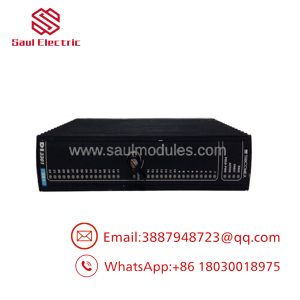
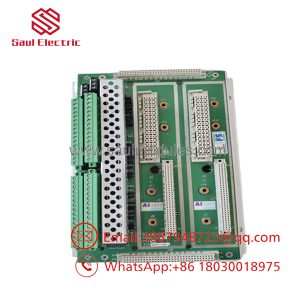
The Triconex MA2211-100S2 is an analog input module designed for Tricon Safety Instrumented Systems (SIS). It receives analog process signals from field instruments—including pressure, temperature, flow, and level transmitters—and converts them into digital values for the Tricon controller to execute safety logic. It is intended for high-availability process industries where continuous diagnostics and fault tolerance are essential.
In our field experience, analog input modules are frequently blamed only after transmitters have already been replaced. The MA2211-100S2 works within the Tricon Triple Modular Redundant (TMR) architecture, where signal validation and diagnostics help detect channel faults before they affect the safety application. Always verify module compatibility with the installed Tricon chassis and software revision before commissioning.
Key Technical Specifications
| Parameter | Specification |
|---|---|
| Manufacturer | Triconex |
| Model | MA2211-100S2 |
| Product Type | Analog Input Module |
| System Compatibility | Tricon Safety Instrumented System |
| Input Channels | 8 analog channels |
| Supported Signals | 4–20 mA, 0–20 mA, 0–10 V (application dependent) |
| Architecture | Triple Modular Redundant (TMR) |
| Diagnostics | Continuous channel diagnostics and self-test |
| Isolation | Channel isolation for improved signal integrity |
| Typical Applications | Safety Instrumented Systems (SIS), Emergency Shutdown (ESD), Fire & Gas Systems |
| Installation | Tricon chassis compatible |
| Status Monitoring | Module health and channel diagnostics through Tricon system |
Application Scenarios & The “Trench” Experience
A unit refuses to restart after maintenance.
Every transmitter calibrates correctly. Loop resistance is within specification. The engineering workstation reports unstable analog values from only one safety loop.
After several hours, the maintenance crew discovers the issue isn’t the transmitter—it is the analog input module.
This is exactly the type of fault that consumes an entire shift.
Typical Applications
- Oil & Gas – Emergency Shutdown (ESD) – Receives pressure and temperature signals used for shutdown voting.
- Petrochemical – Reactor Safety Systems – Monitors critical process variables used by Safety Instrumented Functions (SIF).
- Power Generation – Turbine Protection – Acquires vibration, pressure, and lubrication measurements for protective logic.
- Chemical Processing – Batch Reactor Safety – Interfaces with transmitters monitoring hazardous reactions.
- LNG Facilities – Compressor Protection – Collects process data for high-integrity shutdown systems.
Field Case Study
During a scheduled turnaround, a refinery repeatedly failed analog loop verification on one pressure transmitter. The transmitter, cabling, and marshalling cabinet all passed inspection.
The maintenance team substituted the MA2211-100S2 with a tested spare. The input immediately stabilized, and the shutdown logic passed acceptance testing without further changes.
One lesson remained: don’t replace field instruments until the input module has been verified.
Transparency SOP: Quality Assurance & Testing
We don’t just ship boxes; we test them on actual Tricon racks.
- Inbound Inspection
- Verify OEM labels, serial numbers, and hardware revisions.
- Inspect connectors, housing, and PCB condition.
- Screen for counterfeit indicators.
- Live Rig Testing
- Install the module in a compatible Tricon chassis.
- Verify startup diagnostics.
- Confirm analog channel response using calibrated signal generators.
- Electrical Parameter Checks
- Verify analog conversion accuracy.
- Test channel isolation.
- Confirm stable operation across supported signal ranges.
- Compatibility Verification
- Record hardware revision.
- Verify compatibility with customer system configuration.
- Document diagnostic status.
- Final QC & Anti-static Packaging
- Clean connectors.
- Package in ESD-safe materials.
- Archive inspection records before shipment.
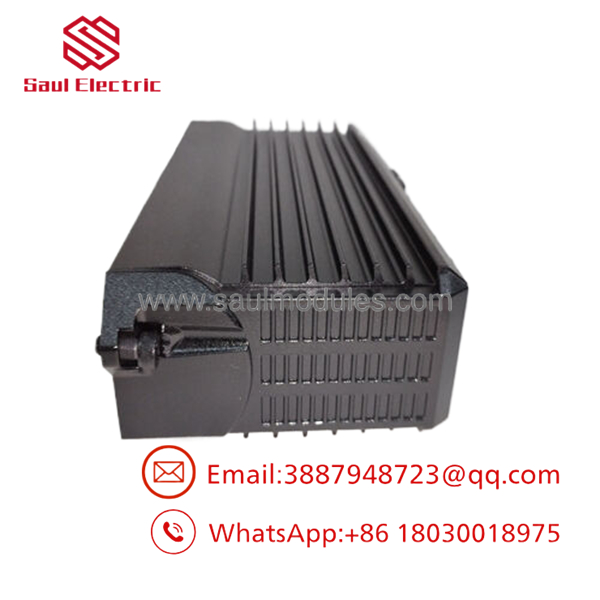
- MA2211-100S2
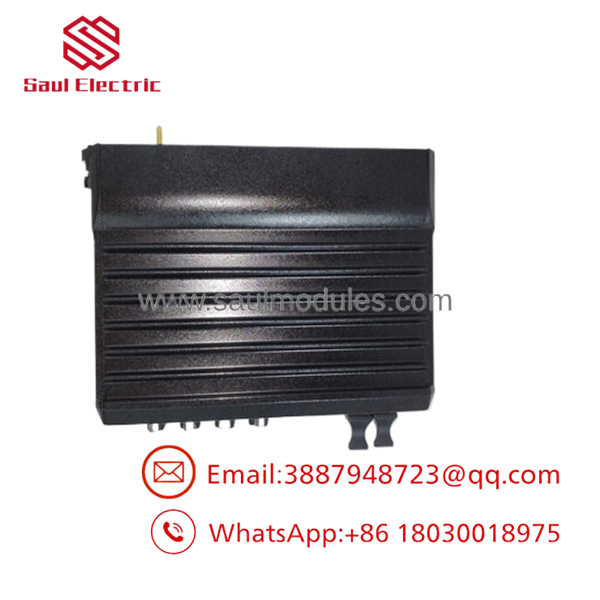
- MA2211-100S2
The Veteran’s Tech Trap Guide
⚠️ Don’t assume every unstable reading is a bad transmitter.
Inject a calibrated signal directly into the module before replacing expensive field instruments.
❗ Check channel configuration carefully.
A mismatch between configured signal type and the actual transmitter output can create misleading diagnostics.
⚠️ Inspect the field termination assembly.
Loose terminals and oxidized connectors often imitate module failures.
❗ Verify firmware and system compatibility.
Some legacy Tricon installations use different hardware revisions. Confirm compatibility before installing a replacement module to avoid unexpected diagnostics or startup faults.
Frequently Asked Questions (FAQ)
Q1. What is the primary function of the ?
It acquires analog signals from field instruments and transfers validated process data to the Tricon safety controller for execution of safety logic.
Q2. Which signal types does the module support?
Depending on the application and configuration, it supports common industrial analog signals such as 4–20 mA, 0–20 mA, and voltage inputs. Verify the exact input range using the OEM documentation for your hardware revision.
Q3. Can the be replaced while the system is running?
Replacement procedures depend on the Tricon chassis configuration and the site’s maintenance policy. Follow Schneider Electric’s Tricon maintenance procedures before attempting any online replacement.
Q4. Does the module support Triple Modular Redundancy?
Yes. The is intended for use within the Tricon TMR architecture, providing fault-tolerant analog input acquisition with continuous diagnostics.
Q5. Why is a surplus less expensive than buying through OEM channels?
Many surplus modules originate from plant expansions, modernization projects, or unused maintenance inventory. Cost alone does not indicate quality. Request documented functional testing, traceable sourcing, and inspection records before purchasing.
Q6. What warranty is typically available?
Most reputable industrial automation suppliers provide a 12-month warranty on tested new surplus or professionally refurbished modules. Warranty coverage varies by supplier.
Q7. What should I verify before installation?
Before commissioning the module, verify:
- Tricon chassis compatibility.
- Correct input signal configuration.
- Field wiring and terminal integrity.
- Analog loop calibration.
- Hardware revision compatibility with the installed controller.
Finally, verify the exact pin assignments, supported input ranges, and configuration requirements using the official Tricon hardware documentation before placing the safety system back into service.

 Start Chat


