





Description
Product Introduction
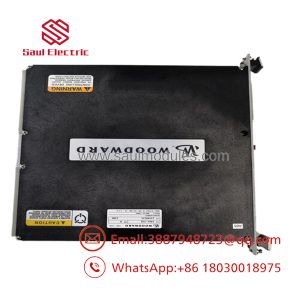
The Woodward 8440-1706B is an SPM-D11/LSXR synchronizer and load-sharing controller used in diesel and gas generator applications. Its primary function is to synchronize generator voltage, frequency, and phase angle before breaker closure while continuously regulating real-power sharing between multiple generator sets operating in parallel.
Unlike a conventional engine governor, the 8440-1706B supervises the electrical side of the generator system. It determines when synchronization conditions are satisfied, issues breaker close commands, and maintains stable load distribution after paralleling. One thing to watch out for is hardware revision compatibility. Before replacing an older unit, verify the stored application settings and supported firmware revision.
Key Technical Specifications
| Parameter | Value |
|---|---|
| Manufacturer | Woodward |
| Model | 8440-1706B |
| Product Family | SPM-D11 / LSXR |
| Product Type | Generator Synchronizer & Load Sharing Controller |
| Primary Function | Automatic Generator Synchronizing |
| Load Sharing | Real Power (kW) |
| Generator Operation | Single or Multiple Generator Sets |
| Utility Parallel Support | Yes |
| Synchronizing Functions | Voltage, Frequency, Phase Matching |
| Control Outputs | Breaker Close / Governor Bias |
| Typical Applications | Diesel & Gas Generator Systems |
| Product Status | Legacy Industrial Controller |
Note: Published Woodward documentation for the 8440-1706B is limited because this controller belongs to an earlier SPM-D product family. Always verify terminal assignments, firmware revision, and wiring against the OEM documentation before installation.
Application Scenarios & The “Trench” Experience
A standby generator starts perfectly.
Rated voltage is correct.
Frequency is correct.
The breaker still refuses to close.
Operations immediately suspect the breaker mechanism.
To be honest, synchronization controllers are often overlooked during troubleshooting. If the synchronizer never confirms acceptable phase angle, voltage, and frequency, the breaker simply waits. Everything else in the generator package may be operating exactly as designed.
Typical Applications
Data Centers — Generator paralleling — Synchronizes standby generators before connecting to the emergency bus.
Hospitals — Emergency power systems — Coordinates multiple generator sets during utility outages.
Industrial Manufacturing — Peak-load operation — Shares electrical load between several generators to improve operating efficiency.
Oil & Gas Facilities — Remote power stations — Controls synchronization for gas-engine and diesel-engine generators operating continuously.
Marine Power Systems — Shipboard generation — Synchronizes auxiliary generators before connecting to the main electrical bus.
Field Replacement Example
A refinery reported intermittent synchronization failures after routine maintenance. Voltage transformers, current transformers, and governor controls all tested within specification. Engineers eventually discovered that the existing synchronizer was intermittently rejecting valid phase-angle conditions because of aging electronics. Replacing the 8440-1706B, restoring the saved configuration, and verifying breaker timing returned the generating plant to automatic operation without modifying the engine governor or PLC logic.
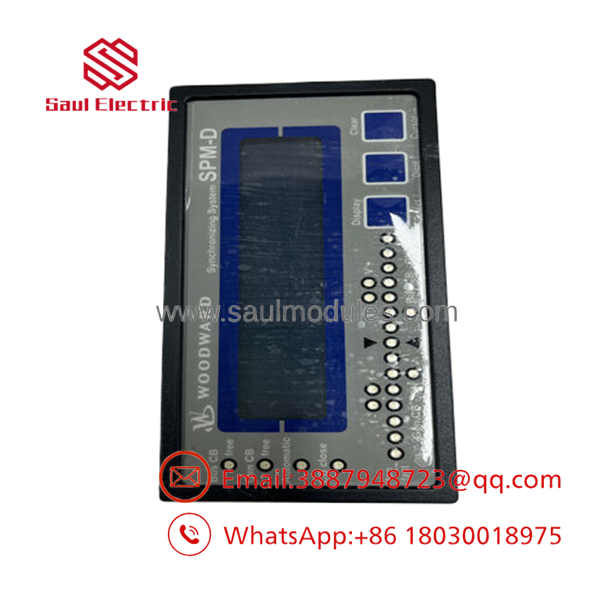
- 8440-1706B
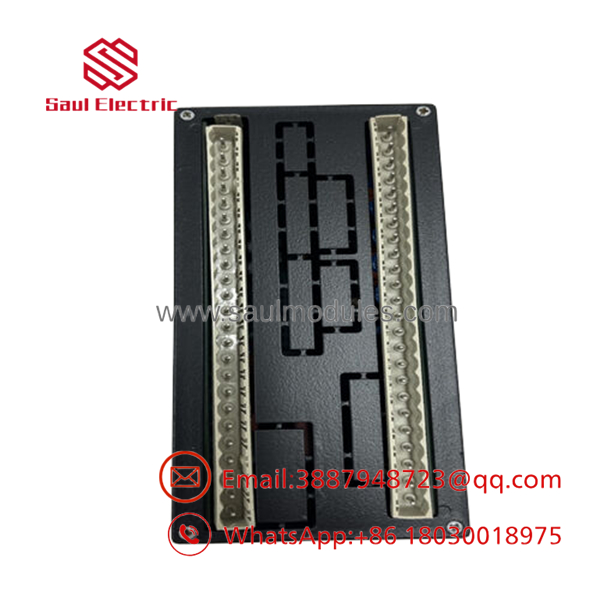
- 8440-1706B
Transparency SOP: Quality Assurance & Testing
We don’t just ship boxes; we test generator synchronizing controllers on compatible Woodward power-management equipment whenever practical.
- Inbound Inspection
- Verify Woodward part number and revision.
- Inspect enclosure, display (if equipped), and connectors.
- Check for corrosion, overheating, or unauthorized repairs.
- Live Rig Testing
- Verify controller startup.
- Simulate generator voltage and frequency.
- Confirm synchronizing logic.
- Verify breaker close outputs.
- Test load-sharing response.
- Electrical Parameter Checks
- Verify digital inputs and relay outputs.
- Check analog control outputs.
- Confirm measurement accuracy.
- Firmware Verification
- Record hardware revision.
- Verify firmware identification.
- Confirm successful parameter loading when applicable.
- Final QC & Packaging
- Complete functional inspection.
- ESD-safe packaging.
- Shock-resistant shipping.
- Full serial-number traceability.
The Veteran’s Tech Trap Guide
⚠️ Don’t replace the synchronizer before checking the PT wiring.
Incorrect potential transformer wiring or blown voltage fuses frequently create synchronization failures that look like controller faults.
⚠️ Verify breaker closing time.
A slow breaker can cause repeated synchronization timeouts even when the controller is functioning correctly.
❗ Save the existing configuration first.
Generator synchronization settings are usually customized during commissioning. Losing those values can turn a one-hour replacement into a full recommissioning project.
⚠️ Confirm the hardware revision.
The “B” suffix identifies a hardware revision. Although revision changes are generally backward compatible, Woodward recommends reviewing firmware and parameter compatibility before transferring configuration files.
Frequently Asked Questions (FAQ)
Q1. What is the Woodward 8440-1706B?
The 8440-1706B is an SPM-D11/LSXR generator synchronizer and load-sharing controller used to synchronize generators with a live bus and distribute load among multiple generator sets.
Q2. Does it perform engine speed control?
No. The controller supervises synchronization and load sharing. Engine speed regulation is typically handled by a separate Woodward governor or engine ECU.
Q3. Can it operate generators in parallel with the utility?
Yes. When properly configured within the generating system, the SPM-D11/LSXR family supports utility-parallel applications and multi-generator load sharing.
Q4. Can I replace an older revision with a “B” revision?
Usually, yes. Woodward revision letters generally represent engineering updates rather than functional redesigns. Even so, verify firmware compatibility and review all configuration parameters before commissioning.
Q5. Does the controller support hot replacement?
No. Replacing the synchronizer while the generator is online can interrupt synchronization and breaker control. Isolate the generator and follow approved lockout/tagout procedures before replacing the unit.
Q6. Why is this controller still widely purchased?
Many industrial power plants, offshore platforms, hospitals, and data centers continue operating proven Woodward synchronization systems. Maintaining qualified spare controllers is typically much less expensive than redesigning an established generator control system.
Q7. What should be verified before installation?
Verify the 8440-1706B part number, hardware revision, PT and CT wiring, generator voltage settings, breaker control wiring, synchronization tolerances, governor interface, and stored configuration. Before placing the generator back into service, perform synchronization testing, breaker close verification, load-sharing validation, and protection function checks under controlled operating conditions.

 Start Chat


