





Description
Product Introduction & Engineering Value
Struggling with sticky mechanical linkages or oil-contamination trip-outs on older hydraulic steam valve actuators will wear down any plant maintenance crew. The Woodward 9907-1228 acts as the heavy-duty industrial fix for these issues, stepping in as a highly accurate, micro-processor managed electro-hydraulic pressure converter designed to bolt right up to your turbine’s oil manifold block.
I recommend the CPC-II platform because its internal rotary valve layout actively resists dirt and varnish buildup, which are common culprits behind positioning lag in standard nozzle-flapper assemblies. By processing positioning loop logic directly inside its explosion-proof housing, the 9907-1228 delivers fast, precise pressure control adjustments that drastically lower mechanical hysteresis and stop hunting across your main steam rack.
Technical Specifications
Because the CPC-II manages highly precise fluid dynamics and uses dual electrical interface loops, its operational constraints are detailed below:
| Fluid & Electrical Control Points | Engineering Specification Value |
| Operating Supply Input Voltage | 18 to 32 VDC continuous (24 VDC nominal field rail) |
| Primary Demand Signaling Options | Dual-redundant 4 to 20 mA analog loops or CANopen bus |
| Maximum Hydraulic Inlet Pressure | Up to 50 bar (725 psi) maximum supply oil constraint |
| Regulated Pressure Output Window | Configurable from 0 up to 25 bar maximum output range |
| Fluid Compatibility Properties | Standard mineral-based turbine oils or synthetic fluids |
| Internal Position Sensing Matrix | Non-contacting internal rotary position feedback mechanism |
| Hazardous Environment Approvals | ATEX/IECEx Zone 1 certified, Class I Div 2 grouping profiles |
| Ingress Protection Class | IP66 rated rugged cast aluminum enclosure shell |
Field Application & The “Trench” Experience
We were troubleshooting a major power plant utility loop where a 50-megawatt extraction steam turbine kept oscillating wildly whenever it entered base-load export control. The root cause was an old nozzle-flapper I/P converter that was sticking due to fine carbon varnish in the station’s lube oil system. We swapped out the broken analog unit for a 9907-1228 CPC-II converter. Using its built-in software tools, we calibrated the internal pressure loops to match the exact spring-rate profile of the existing steam valve actuator. The rotary valve design handled the slightly dirty oil without a single glitch, bringing the valve positioning loop back within less than 0.2% accuracy and saving the plant from an impending outage.
- Main Steam Stop Valve Positioning: Regulating primary high-pressure hydraulic pilot cylinders on large power-generation boilers.
- Extraction Steam Rack Modulation: Governing multi-valve split-range positioning setups under rapid process-load swings.
- Gas Turbine VHV Hydraulic Adjustments: Controlling variable inlet guide vane positions on heavy industrial gas turbine blocks.
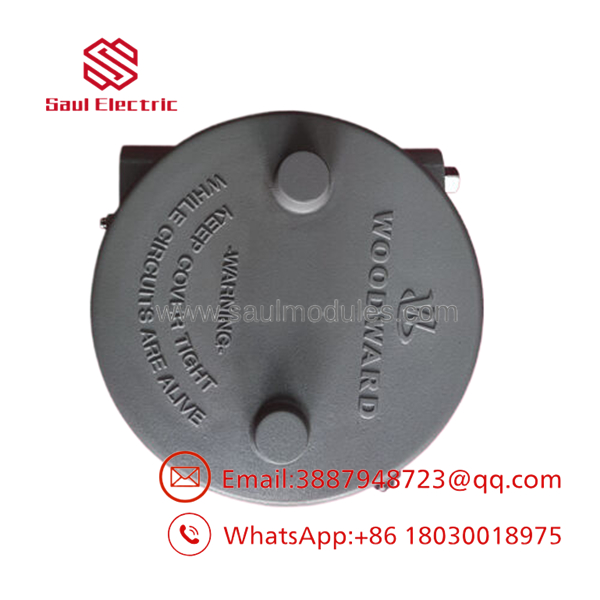
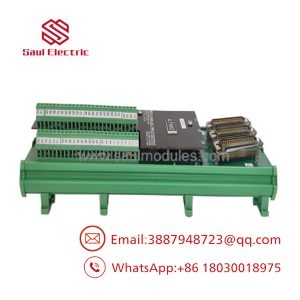
- 9907-1228
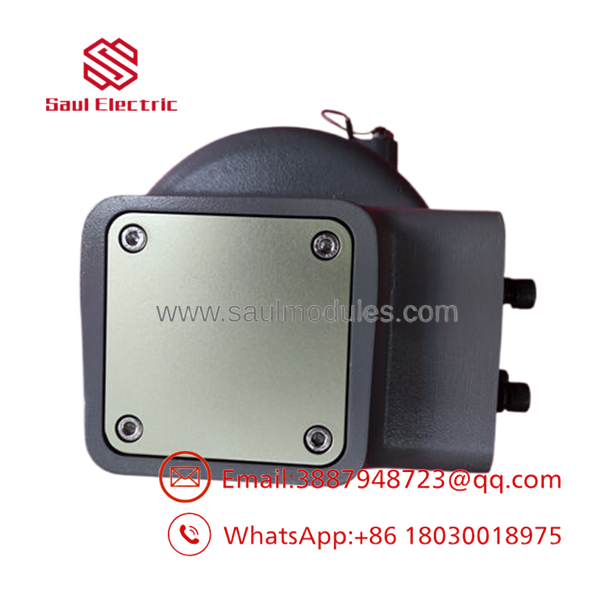
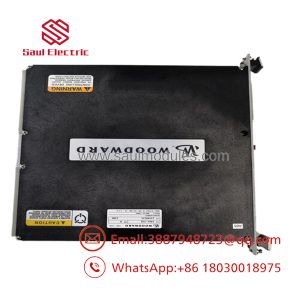
- 9907-1228
Transparency SOP: QA & Testing
Our internal validation protocol puts every 9907-1228 CPC-II through strict mechanical and electronic testing before it gets boxed up:
- Pressure Containment Proofing: We test the main cast iron block up to a static hydrostatic pressure of 75 bar to ensure zero seal or casing leakage.
- Linear Input-to-Pressure Mapping: We inject step changes from 4 to 20 mA across the operating range, making sure the output pressure tracks linearly without any lag or deadbands.
- Thermal Drift Verification: The unit is checked under heated hydraulic oil conditions up to 60°C to guarantee the internal non-contacting sensor maintains proper calibration.
- Redundant Input Failover Check: We clip the wire on the primary 4-20 mA loop during an active positioning test to confirm the internal electronics handover instantly to the backup loop without dropping output pressure.
The Veteran’s Tech Trap Guide
⚠️ THE HYDRAULIC FLUSHING OMISSION: Never connect a new 9907-1228 directly to an old, unflushed hydraulic header after an engine rebuild. Even though the CPC-II’s rotary design handles debris better than old nozzle-flapper setups, large construction grit or weld slag left over from pipe repairs can still score the precision matching sleeve, causing internal oil leakage and ruining your control accuracy.
PRO TIP: Take advantage of the CPC-II service software tool to check your null-position current offset parameters before completing your final loop checks. A high null-current reading usually indicates that upstream supply oil pressure is fluctuating or your main return pipe has too much backpressure, which will limit the module’s maximum valve-opening speeds.
Dynamic FAQ
- Q: Can this 9907-1228 module run directly on synthetic fire-resistant fluids like Fyrquel?
- A: Yes, the internal fluorocarbon seals and metallurgy are designed to operate reliably with both standard mineral turbine oils and common synthetic fire-resistant fluids.
- Q: What happens to the steam valve if the 24 VDC field power completely cuts out?
- A: If power is lost, the internal coil moves to its de-energized state, dropping the regulated control oil pressure down to 0 bar to safely force the main steam valve fully closed via its mechanical return springs.
- Q: Do I need a separate external linear variable differential transformer (LVDT) to track valve position?
- A: The CPC-II features an internal, non-contacting rotary sensor that tracks its own valve spool position. However, if your steam turbine software requires external confirmation of the main rack’s travel, you will still need to keep your existing valve-stem LVDT wired back to the main PLC.
- Q: Are these complex electro-hydraulic units shipped with certified factory calibration reports?
- A: Yes, every New Surplus and Refurbished 9907-1228 unit ships with a full calibration sheet, zero-point alignment records from our test stand, and our solid 1-year operational replacement warranty.

 Start Chat


