





Description
Product Introduction & Engineering Value
The CP-9200SHCPU is the central processing unit for Yaskawa’s CP-9200SH machine-control platform. Its intended role is more demanding than a conventional standalone PLC CPU: the platform was designed to coordinate machine logic and synchronized motion within one controller architecture.
That distinction is important during replacement. A CPU swap is not simply a matter of matching the part number. The installed SVA modules, power module, motion configuration, application program, communication settings, and controller revision all need to be considered before the machine is restarted.
Technical Specifications
The publicly indexed specifications for this legacy controller are inconsistent between secondary sources. The following information is therefore separated into documented identification data and specifications that should be verified against the physical unit before procurement.
| Parameter | Specification / Verification Status |
|---|---|
| Manufacturer | Yaskawa |
| Model | CP-9200SHCPU |
| Alternate Designation | CP-9200SH/CPU |
| Controller Family | CP-9200SH |
| Product Type | Machine controller CPU |
| Control Functions | Sequence + motion control |
| Architecture | Modular CP-9200SH system |
| Basic System | Power module + CPU + SVA |
| Programming | Yaskawa MotionWorks IEC Pro reported by secondary sources |
| Serial Communication | RS-232C / RS-422/485 reported |
| Ethernet | Ethernet interfaces reported |
| Industrial Networking | EtherNet/IP and Modbus TCP/IP reported by secondary sources |
| Motion Network | EtherCAT is reported by one secondary source; verify exact installed revision |
| I/O Capacity | Up to 4,096 points reported by one secondary source |
| Operating Temperature | −10°C to +55°C reported by one secondary source |
| Lifecycle | Legacy / discontinued |
One secondary listing identifies the CP-9200SHCPU as a servo-controller series CPU with LED indicators and screw terminals, while another identifies the spare model as 87921-31001-S0103 / DDCP-921310. These identifiers should be checked against the actual nameplate rather than assumed to be universally interchangeable.
Procurement caution: I would not use the conflicting secondary figures for processor speed, memory capacity, axis count, or control-cycle time as contractual specifications without the original Yaskawa manual for the exact hardware revision.
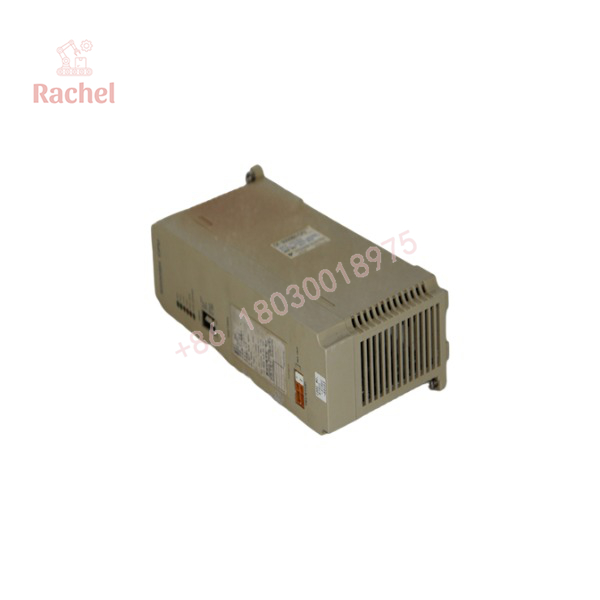
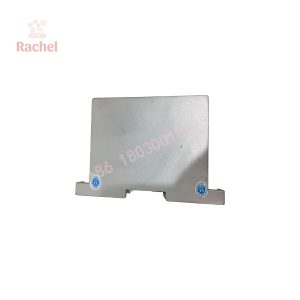
CP-9200SHCPU
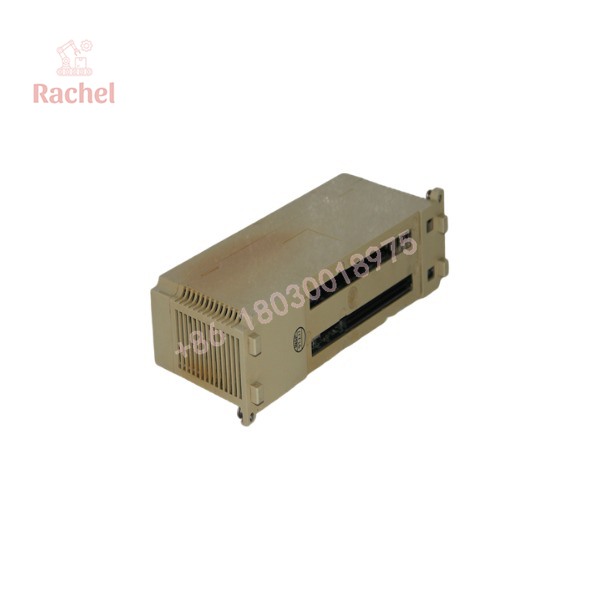
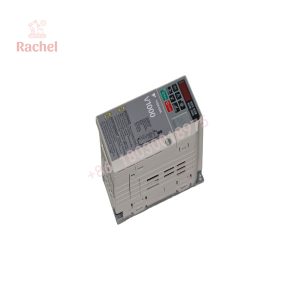
CP-9200SHCPU
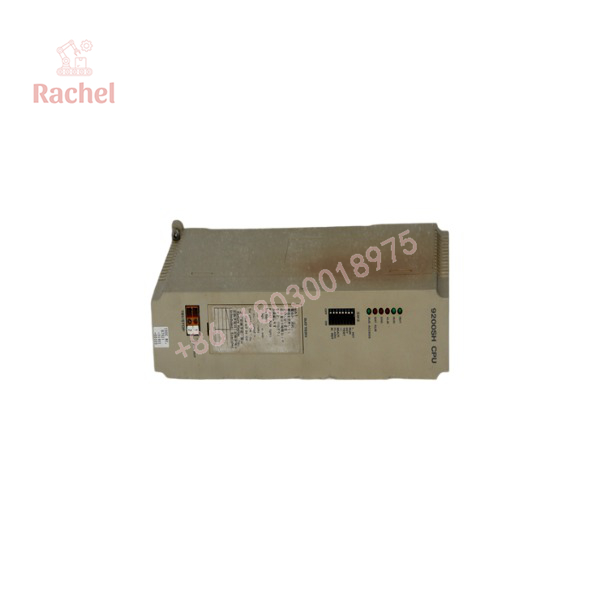
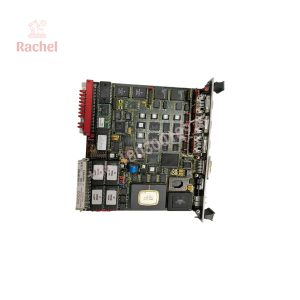
CP-9200SHCPU
Field Application & the “Trench” Experience
A high-speed machine develops a CPU fault during production. The SVA modules and servo motors check out, but the CP-9200SH controller will not return to normal operation.
The maintenance team has a spare CPU on the shelf. The easy mistake would be to install it, power up, and start troubleshooting whatever alarms appear.
Instead, the engineer first records the existing CPU’s hardware identification, controller configuration, SVA arrangement, communication wiring, and application backup. The spare is inspected for matching hardware information before installation. After the swap, the controller configuration is restored and each servo axis is checked individually before synchronized automatic operation is enabled.
That sequence matters. With an integrated motion controller, a CPU replacement can affect the entire machine-control state, not just the PLC logic.
Typical application scenarios include:
- High-speed packaging machinery requiring synchronized servo axes
- Electronic cam and synchronized positioning systems
- Coordinated material-handling machinery
- Legacy machine tools with integrated sequence and motion control
- OEM production equipment using CP-9200SH/SVA architecture
Secondary technical references describe the CP-9200SH as an integrated controller intended for high-speed, synchronized machine operation.
Transparency SOP: QA & Testing
For New Surplus or Refurbished CP-9200SHCPU stock, a simple bench power-up is not enough.
Identification
- Confirm Yaskawa CP-9200SHCPU on the physical label.
- Record hardware revision and serial number.
- Photograph all connectors and terminal areas.
- Compare the spare against the customer’s existing CPU.
Bench inspection
- Inspect the housing and connectors.
- Check the board for corrosion, contamination, or heat damage.
- Verify the status LEDs during controlled startup.
- Check communication interfaces where the test fixture supports them.
System-level verification
- Install the CPU in a compatible CP-9200SH rack/system.
- Confirm normal CPU initialization.
- Load or verify the appropriate controller configuration.
- Establish communication with the applicable SVA and I/O modules.
- Verify PLC/sequence execution.
- Test individual motion axes.
- Check synchronized motion only after individual-axis testing passes.
- Record fault history and diagnostic results.
A supplier should clearly distinguish power-on tested, communication tested, and full system tested. Those are three different levels of verification.
The Veteran’s Tech Trap Guide
⚠️ Do not treat CP-9200SHCPU as an ordinary PLC CPU replacement.
The CP-9200SH platform integrates sequence and motion-control functions. A replacement CPU therefore needs to be evaluated together with the SVA and expansion architecture.
PRO TIP: Before removing the failed CPU, photograph the entire rack and every connector. Record the SVA module order and communication wiring. Legacy motion systems are often undocumented at the machine level.
⚠️ Watch the application backup.
A replacement CPU does not automatically contain the customer’s machine program, motion parameters, axis configuration, or machine-specific settings. Confirm that a valid backup exists before removing the original controller.
⚠️ Do not mix hardware revisions casually.
Secondary inventory sources associate the CPU with additional identifiers such as 87921-31001-S0103 / DDCP-921310. Treat these as identification references, not proof that every CP-9200SHCPU revision is interchangeable.
⚠️ Be careful with online specifications.
Several reseller pages publish substantially different figures for memory, axis count, processor architecture, and communications. Those discrepancies are a reason to verify the exact Yaskawa manual and nameplate before using a specification in an engineering change or purchase order.
Dynamic FAQ
Q1. What is the Yaskawa CP-9200SHCPU?
It is the CPU module for the Yaskawa CP-9200SH integrated machine-controller system, combining sequence-control and motion-control functions.
Q2. Is CP-9200SHCPU a PLC or motion controller?
Functionally, it is both. The CP-9200SH architecture was designed to combine conventional sequence control with coordinated machine motion rather than treating the two functions as completely separate controllers.
Q3. Is CP-9200SHCPU discontinued?
Secondary industrial inventory sources identify the CP-9200SHCPU as discontinued by the manufacturer. For a production-critical installation, that makes installed-base spare planning and controlled migration particularly important.
Q4. What should I verify before buying a replacement?
At minimum, verify the complete CPU designation, hardware revision, serial information, CP-9200SH system configuration, SVA modules, power module, application backup, and communication architecture.
Q5. Can a used CP-9200SHCPU be tested?
Yes, but meaningful testing requires compatible CP-9200SH system hardware. A proper test should include CPU startup, configuration recognition, communication, sequence execution, and—where possible—motion-system verification.
Q6. How do I authenticate New Surplus stock?
Request photographs of the actual unit showing the Yaskawa nameplate, complete CP-9200SHCPU designation, revision/date information, serial number, connectors, and packaging. “New Surplus” should be distinguished from used, repaired, or refurbished inventory.
Q7. What warranty should I request?
For a refurbished CPU, request a written warranty covering CPU startup, diagnostics, communication, and controller operation under the tested configuration. If the supplier cannot perform a full CP-9200SH system test, that limitation should be stated on the quotation.
Q8. What is the biggest replacement risk?
The biggest risk is assuming that a matching CPU label guarantees a matching machine configuration. The CPU is one part of a larger motion-control system. Configuration, firmware/hardware revision, SVA compatibility, and the machine application all need to be validated before production release.

 Start Chat


