





Description
Product Introduction
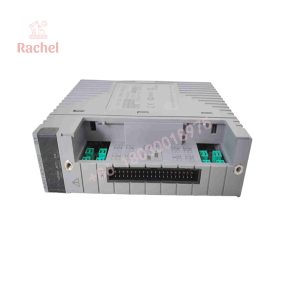
The Yokogawa CP345 is identified by industrial parts suppliers as a processor board for the CENTUM CS 3000 R3 distributed control system. It supports legacy control-system maintenance where the installed hardware and system configuration require this specific module. Supplier listings identify it as a panel-mounted, dual-port processor board.
Because the CP345 is a legacy part, procurement should start with the installed module’s nameplate and system documentation. Confirm the suffix, control-system revision, and hardware configuration before selecting a replacement. Do not apply specifications from the unrelated Kontron CP345 serial controller board.
Key Technical Specifications
| Parameter | Specification |
|---|---|
| Manufacturer | Yokogawa |
| Model | CP345 |
| Related variant | CP345-S1 appears in some supplier listings |
| Product type | Processor board / DCS processor module |
| System association | CENTUM CS 3000 R3, according to supplier listings |
| Mounting | Panel-mounted, as listed by Radwell |
| Port configuration | Dual port, as listed by Radwell |
| System revision | R3 is identified in the supplier description; verify installed revision |
| Lifecycle | Listed as discontinued by the manufacturer |
| Weight | Approximately 1.43 lb (0.65 kg), per Radwell listing |
| Processor architecture | Not confirmed from the reviewed authoritative documentation |
| Memory capacity | Not confirmed for this exact model |
| Network protocol support | Confirm against the actual hardware variant and system documentation |
Sources: supplier listings for Yokogawa CP345. The exact processor architecture, memory, and protocol specifications should not be inferred from generic reseller descriptions.
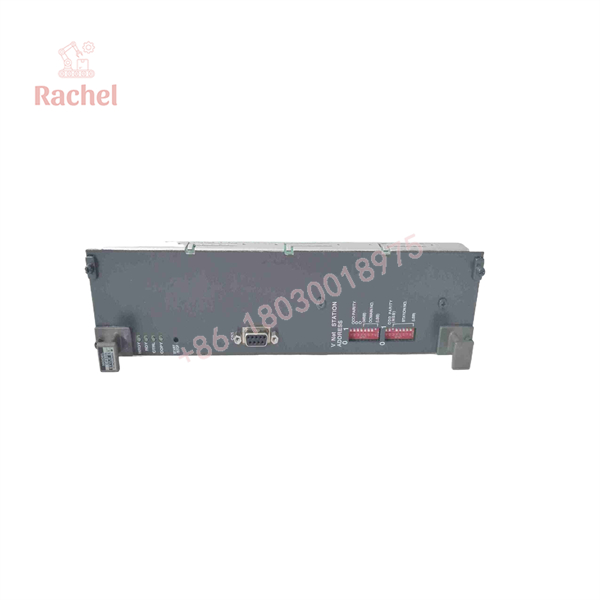
CP345
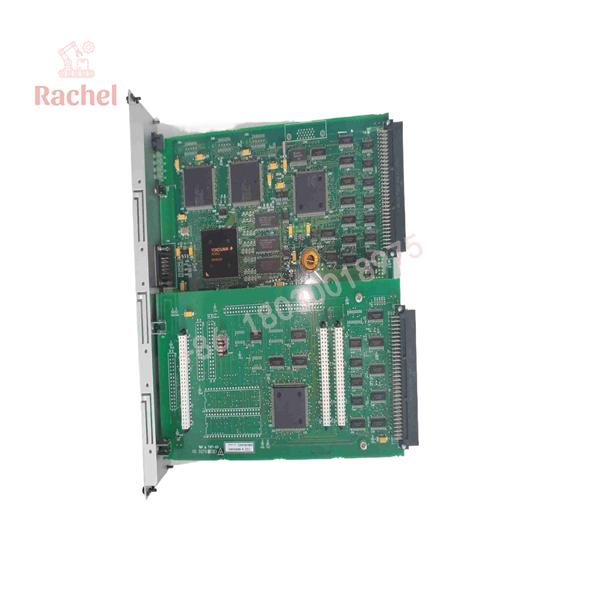
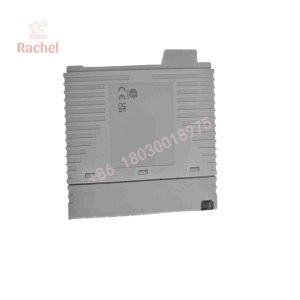
CP345
Application Scenarios & “Trench” Experience
Typical application areas
- Legacy DCS maintenance: Replacing a failed processor board in an existing CENTUM CS 3000 installation.
- Plant outage preparation: Keeping a verified spare available before a planned shutdown.
- Control-system restoration: Supporting troubleshooting when a processor-related fault prevents the control system from operating normally.
- Obsolete equipment support: Maintaining an installed system when an exact original replacement is no longer routinely supplied.
- Repair and refurbishment programs: Evaluating a removed board for repair or retaining a tested spare for contingency use.
Common maintenance problem
A replacement processor can share the same base model number but differ in suffix, hardware revision, or system compatibility. Installing a mismatched module may prevent startup or create a more complicated recovery process during an outage.
Hypothetical case study: A maintenance team prepares a spare CP345 for a scheduled plant shutdown. Before installation, it compares the module label with the removed board, verifies the control-system revision, and checks the approved replacement procedure. The team then follows the site’s commissioning and recovery checklist instead of assuming that matching connectors guarantee compatibility.
Transparency SOP: Quality Assurance & Testing
For a new-old-stock, used, or refurbished CP345, request evidence of these checks. They are recommended inspection steps, not claims that any particular unit has passed testing.
- Inbound inspection: Check the nameplate, suffix, revision markings, connectors, board condition, and signs of corrosion or component damage.
- Live rig testing: Test on a compatible test system or approved service fixture where available.
- Electrical checks: Inspect power-related circuitry and connectors and check for abnormal electrical behavior using an appropriate service procedure.
- Firmware/configuration verification: Confirm compatibility with the target system revision and applicable configuration or software requirements.
- Final QC and ESD packaging: Record the unit identifier and test results, then package the board in suitable electrostatic-discharge protective material.
For a control-system processor, a cosmetic inspection or power-on check alone is not sufficient evidence of full operational compatibility.
Veteran’s Tech Trap Guide
- Trap 1 — Confusing Yokogawa CP345 with Kontron CP345: Kontron’s CP345 is a four-channel serial controller supporting RS-232, RS-422, and RS-485. It is a different product.
- Trap 2 — Ignoring the suffix: If the installed part is marked CP345-S1 or carries additional revision information, verify the complete identifier before ordering.
- Trap 3 — Assuming a CPU replacement is plug-and-play: Confirm the applicable control-system revision, hardware configuration, and approved maintenance procedure.
- Trap 4 — Relying on reseller specifications without a test report: For legacy boards, request the actual unit’s label photos and documented functional test results rather than relying on generic claims about processor speed, memory, or network support.
FAQ
Q1: What is the Yokogawa CP345 used for?
Supplier listings identify it as a processor board associated with the CENTUM CS 3000 R3 distributed control system. Confirm the precise system role from the installed equipment documentation.
Q2: Is the same as -S1?
Not necessarily. CP345-S1 appears in supplier listings as a related variant. Compare the full nameplate identifier and the target system’s approved parts list before substitution.
Q3: Can I install it in any Yokogawa CENTUM system?
No. The base model alone does not establish compatibility with every CENTUM generation or hardware configuration. Verify the field control station, system revision, and replacement requirements.
Q4: Can the CP345 be hot-swapped?
Do not assume so. Follow Yokogawa’s applicable maintenance procedure and site change-control requirements. Determine whether removing the module could interrupt control or affect system availability.
Q5: Is the CP345 discontinued?
Radwell lists the Yokogawa CP345 as discontinued by the manufacturer. Confirm current lifecycle status and any approved replacement path directly with Yokogawa or an authorized support channel.
Q6: What warranty should I expect for a surplus unit?
Warranty coverage depends on the supplier and product condition. Obtain written terms covering functional failure, return eligibility, and whether the supplied unit is tested or merely inspected.
Q7: How can I verify authenticity before buying?
Request clear nameplate photographs, complete part and revision numbers, traceability information where available, and a test report tied to the specific unit. Confirm the reported system compatibility before purchase.

 Start Chat


